
PCOD and Pregnancy: Breaking the Myth That Conception Is Impossible
Many women believe that PCOD means they can never get pregnant. This is one of the most common and harmful fertility myths. The truth is — PCOD does not mean no pregnancy. With the right diagnosis, treatment, and guidance, women with PCOD can absolutely conceive and enjoy a healthy pregnancy.
According to Dr. Durga Vytla, Fertility Specialist in Hyderabad, PCOD is a manageable condition, and most women can conceive with simple and timely interventions.
How PCOD Affects Fertility
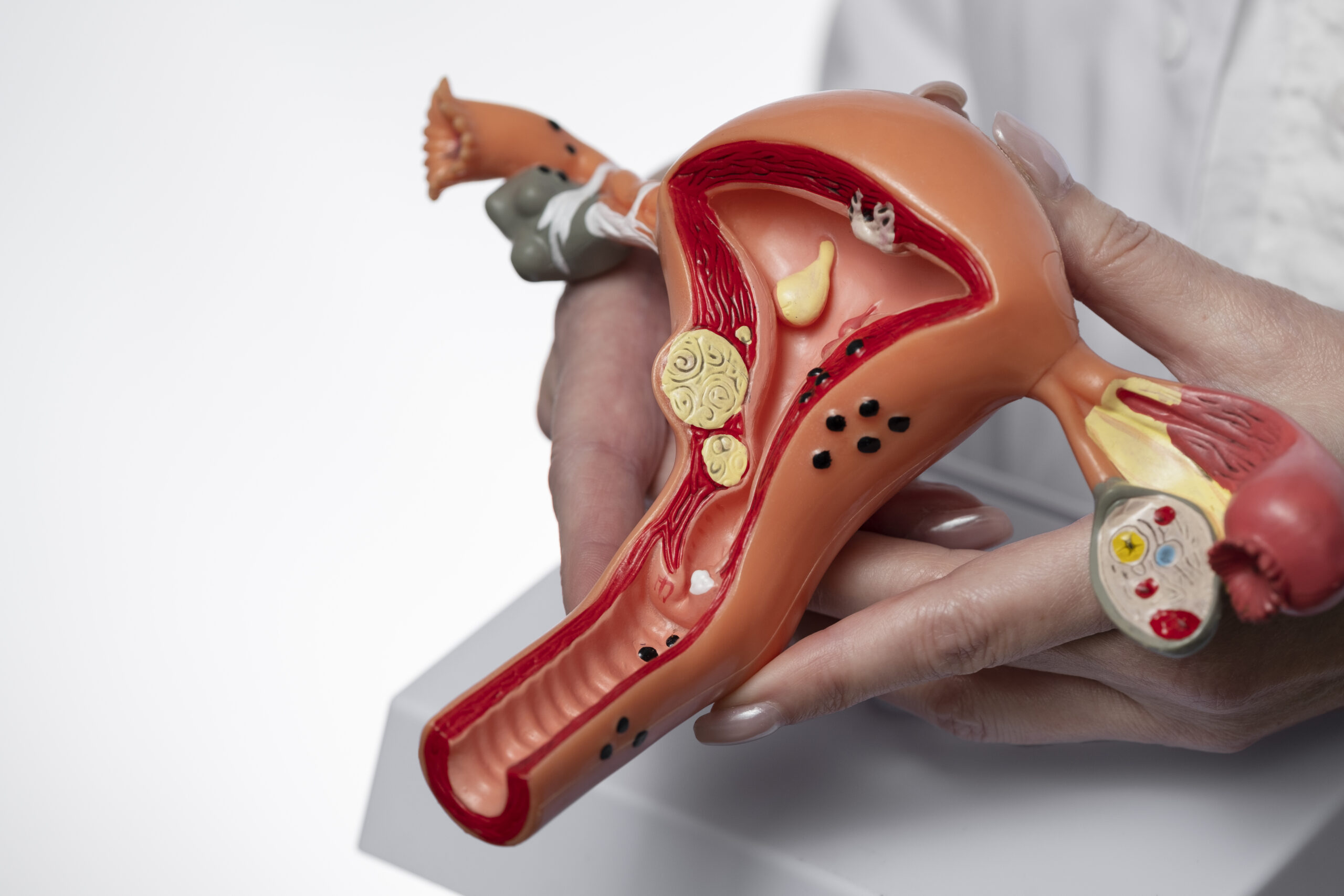
PCOD affects ovulation rather than egg quality. Women with PCOD have multiple small follicles in their ovaries, which leads to delayed or irregular ovulation. Because ovulation does not occur regularly, predicting fertile days becomes difficult, which can delay conception.
However, this does not mean infertility. It simply means ovulation needs to be supported and regulated.
PCOD Myths vs Facts
One of the biggest PCOD myths is that pregnancy is impossible without IVF. In reality, many women with PCOD conceive naturally with minimal treatment.
Fact:
With ovulation induction and timed intercourse, the chances of pregnancy increase significantly. Dr. Durga Vytla, an experienced IVF Expert and Best IVF Doctor, emphasizes that IVF is not always the first step for PCOD patients.
PCOD Pregnancy Treatment Options
Treatment for PCOD pregnancy is tailored to each woman’s needs. Common approaches include:
- Ovulation induction medications
- Cycle monitoring through ultrasound
- Lifestyle changes like weight management and exercise
- Timed intercourse during the fertile window
These methods help restore ovulation and support natural conception in PCOD patients.
PCOS Fertility and Female Infertility
PCOD (often used interchangeably with PCOS) is one of the most common causes of female infertility, but it is also one of the most treatable. Early diagnosis and proper fertility planning can significantly improve outcomes.
Dr. Durga Vytla highlights that many women with PCOD conceive within a few months once ovulation becomes regular.
When to Consult a Fertility Specialist
If you have irregular periods, difficulty tracking ovulation, or have been trying to conceive for over a year (or six months if over 35), it’s time to consult a fertility specialist. Early intervention can prevent unnecessary delays and emotional stress.
Don’t Lose Hope — Pregnancy Is Possible
A PCOD diagnosis is not the end of your dream of motherhood. With the right medical support, lifestyle guidance, and expert care, PCOD patients can absolutely achieve pregnancy.
Trust the science, seek the right help, and stay hopeful — your journey is possible.
