Visit our Location
Nova IVF Fertility Centre, Banjara Hills
Opening Hours
Monday - Saturday: 9:00 AM - 4:00 PM

Low AMH Doesn’t Mean You Can’t Conceive Naturally!

Hearing that you have “low AMH” can be worrying for many women trying to conceive. It’s common to feel anxious and wonder whether pregnancy is still possible. But here’s the truth — low AMH does not mean infertility. It simply gives information about your egg quantity, not necessarily egg quality.

Many women with low AMH levels can and do conceive naturally — especially if they are young and otherwise healthy. Understanding what AMH means, and what it doesn’t, is the first step toward making informed fertility decisions.

What Is AMH and Why Is It Important?

AMH (Anti-Müllerian Hormone) is a hormone produced by small follicles in the ovaries. It helps fertility specialists estimate a woman’s ovarian reserve — that is, how many eggs remain in her ovaries.

  • High AMH: Suggests a good egg reserve or sometimes polycystic ovaries.

  • Low AMH: Indicates a reduced egg reserve — fewer eggs remaining in the ovaries.

It’s important to understand that AMH levels naturally decline with age, starting from the late 20s and more noticeably after 35. This decline doesn’t happen suddenly — it’s a gradual, age-related process.

Low AMH Reflects Egg Quantity, Not Quality

A common misconception is that low AMH means “poor-quality eggs.” That’s not entirely true.
AMH only reflects quantity, not quality.

Even if you have a lower number of eggs, those eggs can still be healthy and capable of fertilization. Egg quality depends largely on age and lifestyle factors such as nutrition, stress, sleep, and overall health.

For example, a 28-year-old woman with low AMH may still have good-quality eggs and can conceive naturally, while a 40-year-old woman with the same AMH value might find conception more difficult because egg quality naturally declines with age.

Can You Conceive Naturally with Low AMH?

Yes — many women with low AMH conceive naturally. What matters most is your age, ovulation pattern, and overall reproductive health.

  • If you’re under 35:
    Low AMH should not discourage you. You can still ovulate and release good-quality eggs. Regular monitoring of ovulation and timed intercourse can improve your chances of natural conception.

  • If you’re above 35 or married for several years:
    It’s wise to consult a fertility specialist early. Low AMH combined with advancing age may reduce natural fertility, but assisted treatments such as IUI or IVF can help achieve pregnancy faster and more effectively.

When Should You Test for AMH?

An AMH test is typically advised for:

  • Women who are planning to delay pregnancy.

  • Those with irregular periods or suspected ovarian issues.

  • Couples facing difficulty conceiving for over six months (if female age is above 35) or one year (if female age is below 35).

  • Women with a family history of early menopause.

The test is a simple blood test and can be done at any point in the menstrual cycle.

Low AMH: What Are Your Fertility Options?

If your AMH levels are low, don’t panic — there are still several paths to parenthood:

1. Natural Conception

If you’re young and your cycles are regular, natural conception is still possible. Tracking ovulation, maintaining a healthy weight, and having intercourse during the fertile window can increase success rates.

2. Fertility-Boosting Lifestyle

A balanced diet rich in antioxidants (found in green leafy vegetables, nuts, seeds, and fruits), regular exercise, adequate sleep, and reduced stress can help improve egg quality.

3. Ovulation Stimulation or IUI

In some cases, fertility specialists recommend ovulation induction — mild medication to boost egg release — followed by Intrauterine Insemination (IUI) to improve chances of fertilization.

4. IVF (In-Vitro Fertilization)

For women with very low AMH or those who have been trying for a long time, IVF can be a highly effective option. IVF allows fertility experts to retrieve and fertilize available eggs in a controlled environment, maximizing the chance of a successful pregnancy.

Hope and Real-Life Success

At Nova IVF Fertility, Banjara Hills, Dr. Durga Vytla and her team have helped many women with low AMH conceive — both naturally and through IVF. Personalized care, advanced technology, and a compassionate approach make all the difference.

“Every fertility journey is unique,” says Dr. Durga. “Low AMH is not the end of hope — it’s simply a signal to act wisely and early.”

Tips to Support Egg Health Naturally

  • Eat a fertility-friendly diet: walnuts, almonds, leafy greens, citrus fruits, and berries.

  • Avoid smoking, alcohol, and processed foods.

  • Get adequate vitamin D and omega-3 fatty acids.

  • Manage stress through yoga, meditation, or light exercise.

  • Maintain a healthy weight and stay hydrated.

These small lifestyle choices can make a big difference in improving overall reproductive health.


4 Most Valuable Tests to Know Your Fertility Profile

When it comes to starting a family, understanding your fertility health is the most important first step. Many couples begin trying to conceive without knowing where they stand — whether their reproductive organs, hormones, or egg and sperm health are functioning optimally. Before beginning any fertility treatment, a simple fertility evaluation can reveal your true fertility potential, your chances of natural conception, and whether you might need medical help.

According to Dr. Durga Vytla, Fertility Specialist at Nova IVF, Banjara Hills, Hyderabad, knowing your fertility profile early can save time, money, and emotional stress. “A few simple tests can give us a complete picture of both partners’ fertility health,” she explains. “It helps us personalize treatment and guide couples toward the best possible path to conception.”

Here are the 4 most valuable fertility tests every couple should consider before starting their pregnancy journey.

1. Transvaginal Scan – Assessing the Ovaries, Uterus & Follicles

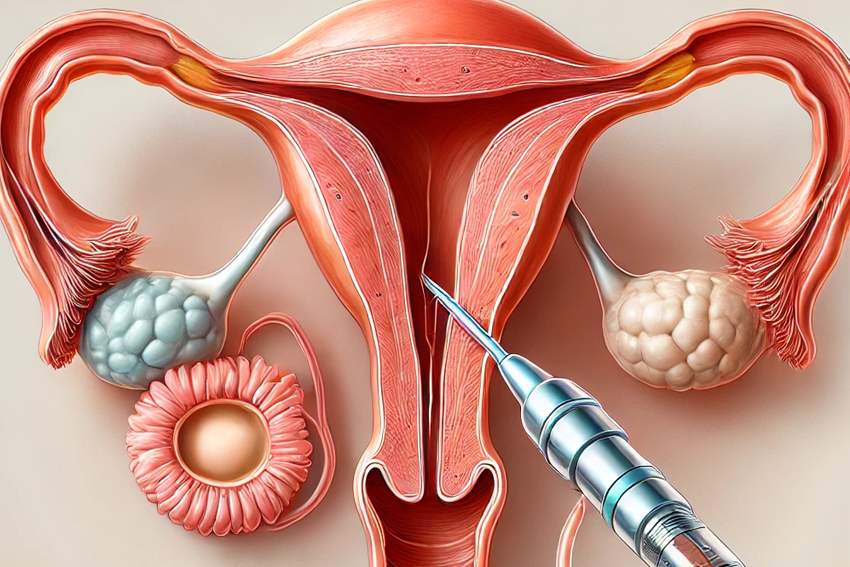
A transvaginal ultrasound scan is one of the most essential fertility tests for women. This internal scan provides a detailed view of the uterus, ovaries, and endometrial lining — the three critical components that determine fertility health.

What It Checks:

  • Ovaries: The scan helps evaluate the number of follicles (egg sacs) present, giving an estimate of ovarian reserve.

  • Uterus: It checks for fibroids, polyps, or uterine abnormalities that might interfere with implantation or pregnancy.

  • Follicular Development: During your menstrual cycle, it can monitor follicle growth and ovulation timing.

This test is quick, safe, and usually performed during the first few days of your cycle. It allows your fertility specialist to assess how your ovaries are functioning and whether your uterus is ready to support pregnancy.

Pro Tip: A healthy uterine lining and balanced follicle development are key indicators of good fertility potential.

2. Hormone Profile – Revealing Egg Reserve & Ovulation Health

Hormones play a major role in reproduction. Even a slight imbalance can affect ovulation, egg quality, or the menstrual cycle. A hormone profile test measures key reproductive hormones that control fertility.

Common Hormones Checked:

  • AMH (Anti-Müllerian Hormone): Indicates ovarian reserve (the number of eggs remaining). Higher AMH usually means better fertility potential.

  • FSH (Follicle Stimulating Hormone) and LH (Luteinizing Hormone): Help regulate ovulation.

  • Estradiol (E2): Reflects ovarian function.

  • TSH and Prolactin: Assess thyroid and pituitary health, as imbalances can affect menstruation and ovulation.

By analyzing these hormone levels, your fertility specialist can predict how your body responds to ovulation naturally or during assisted treatments like IVF.

Dr. Durga Vytla emphasizes, “Your hormone profile is like a window into your reproductive system — it tells us how your ovaries are functioning and helps plan the best treatment approach.”

3. HSG (Hysterosalpingography) – Checking Fallopian Tube Health

The HSG test, or Hysterosalpingography, is an X-ray procedure that checks whether the fallopian tubes are open and if the uterus has any structural abnormalities. It’s one of the most valuable fertility tests for women who have been trying to conceive naturally for several months without success.

Why It’s Important:

The fallopian tubes are where fertilization occurs — the sperm meets the egg here. If either tube is blocked or damaged, conception cannot happen naturally. The HSG test uses a contrast dye and X-rays to visualize the shape and openness of your tubes and uterus.

A normal HSG result confirms that the tubes are patent (open), allowing eggs and sperm to meet. If any blockage or irregularity is detected, your fertility specialist can guide you on the next steps, which may include laparoscopy or assisted conception methods like IVF.

Quick Insight: Many women experience improved fertility after an HSG, as the dye may clear minor blockages in the tubes.

4. Semen Analysis – Evaluating Sperm Count & Quality

Fertility health is a two-way street — about 40–50% of infertility cases involve male factors. A semen analysis is the cornerstone test to evaluate male fertility and should always be done alongside the female partner’s evaluation.

What It Measures:

  • Sperm Count: Number of sperm per milliliter of semen.

  • Motility: The percentage of sperm that swim properly.

  • Morphology: The shape and structure of sperm.

  • Volume and pH: Indicators of seminal fluid health.

Poor sperm count or motility can affect the chances of natural conception, but many issues can be improved with diet, supplements, and lifestyle changes. Identifying these problems early allows couples to take corrective steps before proceeding with advanced treatments.

Why Early Fertility Testing Matters

Fertility naturally declines with age, especially after 30 in women and 40 in men. The earlier you identify potential concerns, the better your chances of achieving pregnancy — naturally or with assistance. These four tests act as your fertility roadmap, showing where you stand and what steps are needed next.

Whether you’re actively trying to conceive or simply planning for the future, getting your fertility profile tested helps you make informed, confident decisions.

Foods That Improve Sperm Health Naturally: A Fertility Specialist’s Guide

When it comes to fertility, most people think the focus lies only on women’s health. However, male fertility plays an equally vital role in achieving a healthy pregnancy. Sperm health — including count, motility (movement), shape, and DNA integrity — is strongly influenced by lifestyle and nutrition. According to Dr. Durga Vytla, Fertility Specialist at Nova IVF, Banjara Hills, Hyderabad, improving sperm quality naturally is possible with the right diet and lifestyle choices.

Why Sperm Health Matters

Healthy sperm are essential for natural conception and successful IVF outcomes. Factors like poor diet, stress, smoking, alcohol consumption, lack of sleep, and exposure to environmental toxins can damage sperm DNA and reduce motility. The good news is that sperm production continuously renews every 70–90 days, which means dietary changes can make a measurable difference within a few months.

Let’s explore some of the best foods to improve sperm health naturally, as recommended by fertility experts.

1. Walnuts: The Omega-3 Powerhouse

Walnuts are packed with omega-3 fatty acids and antioxidants that enhance sperm motility and morphology (shape). These healthy fats help improve blood flow to the reproductive organs and reduce oxidative stress — a key factor behind sperm damage. A handful of walnuts a day can significantly improve sperm vitality and quality.

Tip: Add walnuts to your morning oatmeal, salads, or yogurt for an easy fertility-friendly boost.

2. Almonds and Pumpkin Seeds: Zinc and Vitamin E for Sperm Quality

Zinc is one of the most important minerals for male fertility. Low zinc levels are associated with reduced sperm count and poor motility. Almonds and pumpkin seeds are excellent sources of zinc, vitamin E, and magnesium — all essential nutrients for sperm health.

Vitamin E acts as a powerful antioxidant, protecting sperm cells from DNA damage. Pumpkin seeds, in particular, contain high levels of zinc and omega-3s, making them an ideal snack for improving sperm function.

3. Tomatoes: Rich in Lycopene for Sperm Motility

Tomatoes contain lycopene, a potent antioxidant that gives them their red color. Lycopene has been shown in multiple studies to improve sperm motility and reduce abnormal sperm formation. Cooked or processed tomatoes (like tomato paste or sauce) actually contain higher lycopene levels than raw ones.

Pro tip: Combine tomatoes with a bit of olive oil to enhance lycopene absorption.

4. Green Leafy Vegetables: Folate for DNA Health

Folate (vitamin B9) plays a crucial role in DNA synthesis and sperm development. A diet rich in folate helps reduce sperm DNA fragmentation and promotes the production of healthy, motile sperm. Spinach, kale, broccoli, and lettuce are excellent sources of folate.

If you’re planning a pregnancy, both partners should ensure adequate folate intake — it’s not just beneficial for women!

5. Citrus Fruits: Vitamin C for Sperm Count

Oranges, kiwis, lemons, and grapefruits are rich in vitamin C, which helps protect sperm from oxidative stress and improves sperm count and motility. Vitamin C also enhances the effects of vitamin E, making it a powerful combination for male fertility.

Try including a glass of fresh orange juice or a kiwi with breakfast daily to strengthen your body’s antioxidant defenses.

6. Berries and Pomegranates: Antioxidant-Rich Superfoods

Berries (like blueberries, strawberries, and blackberries) and pomegranates are loaded with antioxidants such as polyphenols and anthocyanins. These compounds help fight free radical damage and support better sperm morphology and motility. They also promote healthy blood circulation, which is essential for reproductive health.

7. Whole Grains and Lean Proteins: Balanced Nutrition for Hormonal Health

Sperm production relies on a well-balanced diet that includes complex carbohydrates, lean proteins, and healthy fats. Whole grains like oats, quinoa, and brown rice provide slow-release energy and B vitamins that support hormone balance. Lean proteins — such as chicken, fish, lentils, and eggs — are rich in amino acids necessary for sperm formation.

8. Hydration and Lifestyle Matter Too

While food plays a major role, lifestyle habits are equally important. Staying well-hydrated supports semen volume and sperm motility. Avoid smoking, limit alcohol, maintain a healthy weight, and manage stress through yoga or meditation. Regular exercise improves testosterone levels and overall reproductive function.

Sleep is another overlooked factor — aim for 7–8 hours per night to keep your hormone levels balanced.

The Role of Fertility Specialists

If you’ve been trying to conceive for a year (or six months if you’re over 35) without success, it’s important to seek guidance from a fertility expert. At Nova IVF Fertility, Banjara Hills, Dr. Durga Vytla, one of Hyderabad’s best IVF specialists, provides personalized treatment plans for both male and female infertility. Nutritional counseling, semen analysis, and lifestyle modification are integral parts of her holistic fertility care approach.

Final Thoughts

Good sperm health doesn’t depend only on medicines — it starts with your lifestyle and diet. By incorporating fertility-boosting foods like walnuts, almonds, pumpkin seeds, tomatoes, leafy greens, and citrus fruits, you can naturally enhance sperm motility, count, and DNA quality.

These small, consistent changes can make a big difference in your fertility journey and overall reproductive health.

Real Indications for IVF: When Is It Truly Needed?

Real Indications for IVF: When Is It Truly Needed?
IVF often gets thrown around like it’s the default solution for every fertility issue—but nope, that’s not how science works. IVF is powerful, but it’s meant for the right patients at the right time. Think of it like upgrading to the “pro mode” of fertility treatment only when absolutely necessary.
Let’s decode the real, evidence-based indications for IVF — the situations where IVF genuinely improves the chances of a healthy pregnancy.
1️⃣ Tubal Block: When the Highway Is Closed
Your fallopian tubes are basically the expressway where the egg and sperm meet.
If both tubes are blocked — due to infections, previous surgeries, or severe adhesions — natural conception or IUI simply won’t work.
Why IVF?
Because IVF bypasses the tubes entirely. The egg and sperm meet in the lab, embryos are created safely, and then transferred into the uterus.
It’s the ultimate “roadblock bypass.”
2️⃣ Severe Male Factor Infertility
Sometimes, sperm need a little superhero boost.
When there’s extremely low sperm count, motility, or morphology… IVF + ICSI becomes the real MVP.
When this matters:
•Very low sperm count
•Very poor motility
•Severe abnormal forms
•Previous failed IUIs
•When sperm retrieval (TESA/PESA) is required
Why IVF?
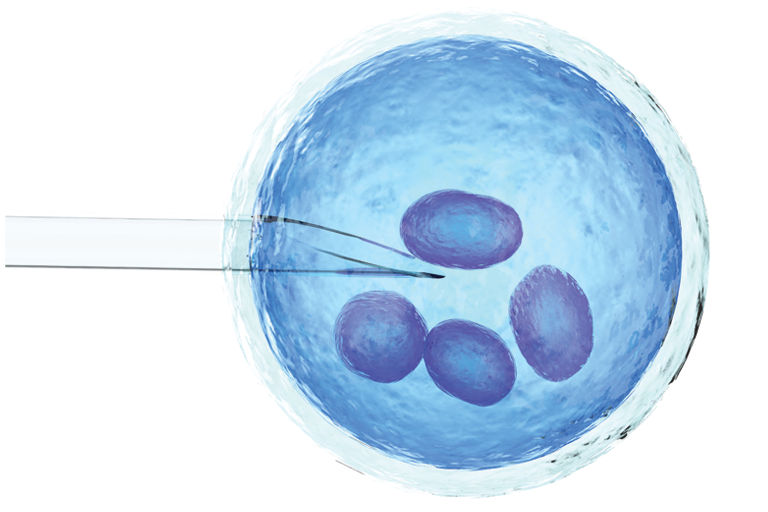
ICSI helps the sperm directly fertilize the egg, improving the chances dramatically.
3️⃣ Severe Endometriosis: When Inflammation Is the Villain
Endometriosis, especially stage 3 or 4, affects egg quality, tube function, pelvic anatomy, and even embryo implantation.
Why IVF?
It bypasses distorted anatomy, helps retrieve multiple eggs, and improves fertilization.
For women with advanced endometriosis, IVF offers significantly better success rates than trying naturally or attempting repeated IUIs.
4️⃣ Low Ovarian Reserve: When Time Needs a Fast-Forward Button
Low AMH, low antral follicle count, or reduced egg quality due to age or genetics are key triggers.
Signs you’re here:
•AMH is low
•AFC is low
•Repeated failed IUIs
•Age > 35 with fewer eggs
Why IVF?
It allows retrieval of as many eggs as available in one cycle and helps create embryos before ovarian reserve drops further.
Time is the main boss battle here — IVF helps you fight it smartly.
5️⃣ Repeated Miscarriages: When PGT Helps Find the “Why”
If a couple has had multiple pregnancy losses, especially early miscarriages, PGT (genetic testing of embryos) can be game-changing.
Why IVF?
IVF helps create embryos → embryos are tested → only genetically normal ones are transferred.
This reduces miscarriage risk and improves the chances of a healthy pregnancy.
Who Does Not Need IVF?
This is equally important.
IVF is not the first choice for everyone. Many couples conceive with:
•Lifestyle changes
•Ovulation induction
•Timed intercourse
•Simple treatments like IUI
The goal is not to jump to IVF — the goal is to choose the treatment that gives the highest chance of success in the shortest time, based on the couple’s medical profile.
Final Takeaway
IVF is a powerful, life-changing tool — but it’s meant for specific situations where simpler treatments won’t help, or where time and biology need a high-tech assist.
If you fall into any of these categories, IVF gives the safest and fastest path to a healthy pregnancy.
If you don’t, your doctor will guide you with more gentle, step-wise treatments first.
Either way: you’re not alone in this journey. And science has your back.

Puberty in Girls: What Every Parent Should Know About This Critical Phase

Puberty is a natural milestone in a girl’s life, yet it's often surrounded by confusion, awkwardness, and misinformation — especially in India, where period awareness and female hormone health are still not openly discussed. As parents, educators, or caregivers, it's crucial to understand the changes girls go through during this phase and support them with accurate knowledge and empathy.

So, what exactly happens during puberty in girls? What’s the right age? Are the signs the same for everyone? And how can you help your daughter navigate these changes confidently?

Let’s dive in.

👧 What is Puberty?

Puberty is the stage when a child's body begins to develop into an adult body capable of reproduction. It involves physical, emotional, and hormonal changes triggered by the release of hormones like estrogen and progesterone in girls.

📊 Puberty Age in Indian Girls

The average age of puberty in Indian girls is between 8 to 13 years. However, every girl is different, and it's completely normal for some to start earlier or later than others.

That said, any signs of puberty before age 8 or after age 14 may require medical evaluation to rule out hormonal imbalances or developmental concerns.

🔍 Early Signs of Puberty in Girls

Here are the common signs that a girl is entering puberty:

1. Breast Development (Thelarche)

  • Often the first sign of puberty.

  • Begins with small breast buds and may be uneven.

  • Usually starts between ages 8–11.

2. Growth Spurts

  • Sudden increase in height and weight.

  • Girls often grow fastest around 1 year before their first period.

3. Pubic and Underarm Hair Growth

  • Starts gradually and darkens over time.

4. Skin & Hair Changes

  • Oily skin, acne, and increased sweating.

  • Hair may become oilier; body odor becomes noticeable.

5. Menstruation (Periods)

  • Typically begins 2 to 3 years after breast development.

  • Average age in Indian girls: 11 to 13 years.

  • Irregular periods are common initially.

6. Emotional & Mood Changes

  • Mood swings, irritability, and emotional sensitivity due to hormonal fluctuations.

🧬 What Causes These Changes?

The pituitary gland in the brain signals the ovaries to start producing estrogen, the primary female hormone. This triggers physical development and prepares the body for reproduction.

However, environmental factors, stress, nutrition, and hormonal disorders can affect the timing and intensity of puberty.

⚠️ When to See a Doctor

While most girls go through puberty without issues, medical advice is needed if:

  • No signs of puberty by age 14

  • Periods haven’t started by age 15

  • Signs of very early puberty (before age 8)

  • Extreme acne, hair growth, or mood changes

  • Concerns about body image, eating patterns, or anxiety

🩺 Consult a hormone and fertility specialist like Dr. Durga Vytla, especially if you suspect hormonal imbalances or need expert guidance.

💡 How Parents Can Support Their Daughters

Puberty isn’t just a physical change — it’s an emotional and social shift. Your support and guidance matter more than you realize.

✅ Start the Conversation Early

Talk about puberty before it begins. Use age-appropriate language and be open to questions.

✅ Normalize Periods

Teach your daughter that menstruation is natural and nothing to be ashamed of. Encourage hygiene and preparation.

✅ Promote Body Positivity

Help her appreciate her body as it changes. Avoid body-shaming language.

✅ Watch for Emotional Changes

Teen girls may become more self-conscious or emotionally sensitive. Offer a safe space for expression.

✅ Encourage Healthy Habits

Balanced nutrition, physical activity, and sleep are vital during this phase of rapid growth.

🥗 Puberty & Hormone Health: What to Eat

Hormones and nutrition are deeply connected. A balanced diet can support smoother transitions.

Foods to include:

  • 🥬 Leafy greens – for iron and calcium

  • 🥛 Dairy – for bone development

  • 🥚 Eggs & legumes – protein for growth

  • 🍓 Fruits & vegetables – for vitamins and antioxidants

  • 🌰 Nuts & seeds – healthy fats and zinc

Avoid:

  • Processed snacks

  • Sugary drinks

  • Excessive caffeine (found in colas, energy drinks)

🌸 Final Words: Let’s Break the Silence Around Puberty

It’s time we normalize conversations about puberty, periods, and hormones. Puberty is not something to be ashamed of — it’s a powerful phase of transformation that deserves understanding and respect.

Empowered girls become confident women. Let’s give them the tools, care, and education they deserve.

#PubertyInGirls #TeenHealthIndia
#PeriodsAwareness #GirlChildCare #DrDurgaVytla
#IVFHyderabad #FertilitySpecialist #NovaIVF
#IVFSuccess #Puberty #GirlsHealthTips #HormoneHealth
#DrDurgaVytla #NovaIVFBanjaraHills #BestIVFDoctor


Why We Need to Talk About Sperm DNA Fragmentation (DFI) After Miscarriage

Miscarriage is a heartbreaking experience. It brings emotional pain, grief, and far too often—blame. And in 99% of the cases, that blame is placed squarely on the woman.

But here’s a truth not enough people talk about: male factors can play a significant role in pregnancy loss, especially something known as Sperm DNA Fragmentation (DFI).

If you've experienced a miscarriage, or you're struggling to conceive, it's time to stop the blame game and start exploring both sides of the fertility equation.

What Is Sperm DNA Fragmentation (DFI)?

Sperm DNA Fragmentation refers to breaks or damage in the DNA of the sperm. Even when a man’s semen analysis comes back “normal” in terms of count, motility, and morphology, the genetic integrity of the sperm can still be compromised.

Think of it like this: A smartphone may look perfect on the outside, but if the internal software is corrupted, it won’t function. Similarly, damaged sperm DNA may still reach the egg, but it can lead to implantation failure, early miscarriage, or failed IVF cycles.

Why Does Sperm DNA Fragmentation Matter?

While female reproductive health has long been the focus of infertility testing, male fertility issues contribute to nearly 50% of all infertility cases. Yet most people—and even some doctors—overlook DFI testing.

A high DFI can:

  • Reduce fertilization rates 
  • Impair embryo quality 
  • Lead to recurrent pregnancy loss 
  • Affect the success rate of IVF and ICSI treatments 

And the most important part? Many men with high DNA fragmentation have normal semen parameters. This is why routine semen analysis alone is often not enough.

Common Causes of Sperm DNA Damage

Understanding the causes behind sperm DNA fragmentation can help with both diagnosis and treatment. Some common reasons include:

  • Oxidative stress 
  • Smoking, alcohol, or substance abuse 
  • Advanced paternal age (typically over 40) 
  • Infections or fever 
  • Varicocele (enlarged veins in the scrotum) 
  • Poor diet and lifestyle 
  • Environmental toxins and heat exposure (e.g., laptops on laps, saunas) 

Fortunately, many of these causes are modifiable. With lifestyle changes and the right medical care, sperm DNA quality can often improve over time.

How Is DFI Tested?

The most common tests used to measure sperm DNA fragmentation include:

  • SCSA (Sperm Chromatin Structure Assay) 
  • TUNEL Assay 
  • COMET Assay 
  • SCD (Sperm Chromatin Dispersion) 

These tests evaluate the percentage of sperm with damaged DNA. A DFI score above 25–30% is generally considered high and may impact fertility.

Speak with your fertility specialist about whether a DFI test is appropriate in your case, especially if you've had:

  • One or more miscarriages 
  • Repeated IVF/ICSI failures 
  • Unexplained infertility 
  • Male partners over the age of 40 

Stop the Blame, Start the Healing

For generations, women have carried the burden of blame when pregnancies fail. But fertility is a shared journey, and miscarriage is never the fault of one person.

When we place the entire emotional and diagnostic weight on women, we:

  • Delay proper diagnosis 
  • Increase emotional trauma 
  • Miss the real root cause of infertility or miscarriage 

It’s time to shift the narrative from “What’s wrong with her?” to “Let’s check both partners thoroughly.”

What Can Men Do to Improve Sperm DNA Quality?

If DFI is high or borderline, here are a few steps men can take to improve their sperm health:

Stop smoking and limit alcohol consumption
Improve diet – Antioxidant-rich foods like berries, nuts, and leafy greens can reduce DNA damage
Take prescribed supplements – CoQ10, Vitamin C, E, Zinc, and Selenium are often recommended
Exercise regularly but avoid overheating the testicles
Treat underlying issues like varicocele or infections
Reduce stress – Chronic stress is linked to hormonal imbalances
Avoid environmental toxins – Limit exposure to plastics, heavy metals, and pollutants

With consistent effort, many men see an improvement in sperm DNA quality within 3–6 months.

Is Waxing Safe During Pregnancy? Here’s What Every Mom-To-Be Should Know

Pregnancy is a beautiful journey, but it also comes with a host of questions—especially when it comes to personal care. One of the most commonly asked beauty-related questions is: “Is waxing safe during pregnancy?” If you’re expecting and wondering whether you can continue your regular waxing routine, you’re not alone.

Let’s break down the facts to help you make safe, informed choices for both you and your baby.

Can You Wax While Pregnant?

Yes, waxing is generally safe during pregnancy—as long as you’re not allergic to the wax and you go to a clean, hygienic salon. Many moms-to-be choose waxing as their preferred hair removal method because it gives longer-lasting results compared to shaving.

However, it’s not all smooth sailing. Your body goes through major hormonal changes during pregnancy, and these changes can make your skin more sensitive than usual. So, while waxing isn’t harmful to the baby, it might be more painful or cause more redness than you're used to.

Why Does Skin Sensitivity Increase During Pregnancy?

Blame it on the hormones! The rise in estrogen and blood flow can make your skin more tender, especially in sensitive areas like your face, underarms, or bikini line. This can mean that waxing feels more painful or causes temporary swelling or irritation.

Here’s what pregnant women may experience with waxing:

  • Increased discomfort

  • Skin redness or slight bruising

  • Possible ingrown hairs

  • Temporary bumps or rash

Don’t worry—these symptoms are usually minor and short-lived, but it’s important to be aware of them.

Bikini Waxing During Pregnancy: Should You Do It?

Now, this is where it gets a little more complicated.

Doctors generally recommend avoiding bikini waxing during the later stages of pregnancy. The skin in your intimate areas becomes even more sensitive and is more prone to tears, irritation, or even minor infections. Add in the difficulty of maneuvering around your growing belly, and it’s easy to see why it might be better to skip bikini waxing in the third trimester.

If you absolutely must wax your bikini area, make sure you go to a trained professional who uses sterile tools and practices good hygiene. Also, avoid hot wax and opt for gentler alternatives like hard wax or sugaring.

Important Tips for Safe Waxing During Pregnancy

If you choose to continue waxing during pregnancy, here are some helpful tips to keep your skin healthy and irritation-free:

  1. Do a Patch Test First
    Even if you’ve waxed for years, your skin may react differently during pregnancy. Always do a small patch test to check for allergic reactions or heightened sensitivity.

  2. Use Gentle, Pregnancy-Safe Products
    Look for wax that is free of harsh chemicals and fragrances. Products labeled “hypoallergenic” or “sensitive skin” are usually better options.

  3. Avoid Hot Wax
    Hot wax can cause burns or increase the risk of skin irritation, especially when your skin is more delicate. Opt for warm or cold wax alternatives.

  4. Keep the Area Clean
    Whether you’re waxing at home or in a salon, cleanliness is non-negotiable. Make sure the tools are sterilized and the environment is hygienic.

  5. Moisturize After Waxing
    Use a mild, fragrance-free moisturizer or aloe vera gel to soothe your skin after waxing.

  6. Talk to Your Doctor
    If you have any underlying skin conditions, or if you're unsure whether waxing is safe for your pregnancy, consult your OB-GYN or dermatologist.

Alternative Hair Removal Options for Pregnant Women

If waxing becomes too painful or inconvenient, there are other hair removal options you can consider:

  • Shaving – Quick and easy, but the results don’t last as long.

  • Tweezing or threading – Good for facial hair, but can be more painful during pregnancy.

  • Depilatory creams – Use only if they’re labeled safe for use during pregnancy, and always do a patch test first.

  • Sugaring – A gentler alternative to waxing that many women find more comfortable during pregnancy.

Avoid laser hair removal and electrolysis until after childbirth, as these methods haven’t been proven safe during pregnancy.

Final Thoughts: Comfort and Safety First

Every pregnancy is different, and what works for one mom-to-be might not work for another. While waxing during pregnancy is safe for most women, it's crucial to listen to your body and make adjustments when necessary. Prioritize your comfort, choose a hygienic salon, and never hesitate to consult your doctor.

Remember, a little extra hair won’t affect your pregnancy—but avoiding infections or unnecessary pain certainly benefits your overall wellness.

So whether you choose to wax, shave, or embrace your natural glow, do what makes you feel confident and comfortable.

Pregnancy Symptoms: What’s Normal and When to Worry!

Pregnancy is a beautiful journey, but it often comes with a whirlwind of physical and emotional changes. For many women, especially first-time moms, it can be hard to tell the difference between what’s normal and what could be a sign of something more serious.

While most symptoms are simply your body adjusting to the new life growing inside, some signs may need closer attention. Knowing the difference between normal vs abnormal pregnancy symptoms can help you stay calm, safe, and confident throughout your journey.

🤰 What’s Normal During Pregnancy?

As your body begins to support the growth of a baby, it undergoes several hormonal and physical changes. Some of these can feel unusual, but they’re usually not a cause for concern.

Here are some common, normal pregnancy symptoms:

1. Morning Sickness (Mild to Moderate Nausea)

Feeling queasy, especially in the morning, is one of the most typical pregnancy signs — particularly in the first trimester. As long as you're able to keep some food and fluids down, it's usually not dangerous.

2. Breast Tenderness

Hormonal changes can make your breasts feel fuller, sore, or sensitive. This is a natural response to the rising levels of estrogen and progesterone.

3. Fatigue and Tiredness

Your body is doing a lot of work behind the scenes! Feeling more tired than usual is common, especially during the first and third trimesters.

4. Mild Cramping

Some women experience mild, period-like cramping as the uterus stretches to make room for the growing baby.

5. Increased Urination

You may find yourself heading to the bathroom more often. This happens due to hormonal changes and increased blood flow to the kidneys.

These are all part of a healthy pregnancy, though every woman’s experience is unique.

⚠️ When to Worry: Symptoms That Need Medical Attention

While most symptoms are nothing to worry about, there are times when your body may be signaling a problem. Here are warning signs during pregnancy that should never be ignored:

1. Heavy Bleeding or Passing Clots

Spotting can be normal in early pregnancy, but heavy bleeding, especially with clots or pain, can indicate a miscarriage or other complications.

2. Severe Abdominal Pain

Sharp, continuous pain or cramping in the lower abdomen could signal ectopic pregnancy, miscarriage, or other medical issues.

3. Severe Nausea and Vomiting

If you're unable to keep any food or liquids down (a condition called hyperemesis gravidarum), it can lead to dehydration and may need hospitalization.

4. Sudden Swelling of Hands, Feet, or Face

Swelling is common, but sudden or excessive swelling—especially if accompanied by headaches or blurred vision—could indicate pre-eclampsia and should be addressed immediately.

5. No Fetal Movement After 24 Weeks

Once you start feeling your baby’s kicks regularly, a noticeable decrease or absence of movement should prompt a visit to your doctor.

6. High Fever

A fever over 100.4°F (38°C) may signal infection and should be checked out promptly.

🩺 Always Listen to Your Body — and Your Doctor

Pregnancy is not the same for every woman, and even second or third pregnancies can feel very different from the first. Trust your instincts — if something doesn’t feel right, it’s always better to be cautious and consult your gynecologist.

✅ Tips for a Healthy Pregnancy

  • Attend regular prenatal check-ups

  • Eat a balanced, nutritious diet

  • Stay hydrated and get enough rest

  • Avoid alcohol, smoking, and excessive caffeine

  • Track fetal movements from the third trimester

  • Stay informed about pregnancy stages and symptoms

💬 Common Questions About Pregnancy Symptoms

Q1: Is spotting during early pregnancy normal?
Light spotting (implantation bleeding) can be normal, but heavy bleeding or bleeding with pain should be checked immediately.

Q2: When should I feel my baby move?
Most women feel fetal movement between 18–25 weeks. If you’ve passed 24 weeks and haven’t felt anything, consult your doctor.

Q3: Can stress harm my pregnancy?
High stress levels may affect pregnancy outcomes. Practice relaxation techniques like prenatal yoga, breathing exercises, or light walks.

❤️ Final Thoughts: Your Body Knows — Trust It and Get Help When Needed

Pregnancy comes with joy, change, and uncertainty. While most symptoms are completely normal, knowing the red flags can help protect both you and your baby. Don’t rely solely on Google or guesswork — your doctor is your best resource.

Trying to Conceive? Why It’s Normal If Pregnancy Doesn’t Happen Right Away!

If you're trying to conceive and haven't seen that positive pregnancy test yet, you're not alone—and you're not doing anything wrong. Many couples expect to get pregnant immediately after they start trying, but in reality, it often takes time. The road to parenthood is different for everyone.

One of the most important things to understand early on is this: not conceiving in the first few months is completely normal.

Understanding the Timeline of Natural Conception

According to leading fertility specialists, conception can take up to 12 months for a healthy couple under 35 having regular, unprotected intercourse. That means:

  • In the first three months, about 30% of couples conceive.
  • By six months, around 60% will get pregnant.
  • By 12 months, approximately 85% will have conceived naturally.

So, if it’s been just a few months, try not to stress. Timing, ovulation, stress levels, health conditions, and even travel or illness can influence whether or not a pregnancy occurs in a given cycle.

When Should You Start Worrying?

Infertility is medically defined as the inability to conceive after:

  • 12 months of trying if you're under 35
  • 6 months of trying if you're 35 or older

If you've been actively trying to conceive for that long without success, it's time to consult a fertility specialist. Early evaluation can uncover possible issues—both male and female factors—that might be affecting your chances.

Common Reasons for Delayed Conception

Infertility can stem from a wide range of issues. Here are some common causes:

Female Factors:

  • Ovulation disorders (like PCOD or hormonal imbalances)
  • Blocked fallopian tubes
  • Endometriosis
  • Thyroid dysfunction

Male Factors:

  • Low sperm count or poor motility
  • Hormonal imbalances
  • Lifestyle factors (smoking, alcohol, stress)

Other Contributing Factors:

  • Age (especially for women over 35)
  • Being overweight or underweight
  • High levels of stress
  • Unhealthy lifestyle habits

That's why it’s critical to look at both partners when assessing fertility.

The Role of a Fertility Specialist

If you've been trying for a while and not getting results, a consultation with a fertility doctor in Hyderabad, like Dr. Durga Vytla at Nova IVF, can be the next logical step. Fertility specialists can:

  • Conduct basic evaluations like hormone tests, semen analysis, and ultrasounds
  • Identify potential fertility issues early
  • Recommend lifestyle modifications or targeted treatments
  • Offer advanced fertility treatments like IUI or IVF, if needed

Don’t Delay: Why Early Fertility Evaluation Matters

One of the biggest mistakes couples make is waiting too long to seek help. Especially if you're over 35, the window of optimal fertility becomes narrower with time. By consulting a fertility specialist early, you gain access to:

  • Personalized guidance
  • Fertility planning based on age and ovarian reserve
  • Improved treatment outcomes if intervention is needed

Lifestyle Tips to Boost Fertility Naturally

While medical support is crucial in some cases, there are many natural ways to improve fertility while you're trying to conceive:

  • Track ovulation with apps or ovulation predictor kits
  • Maintain a healthy weight and balanced diet
  • Exercise moderately, but don’t overdo it
  • Reduce alcohol, caffeine, and avoid smoking
  • Sleep well and manage stress
  • Have intercourse every 2-3 days during your fertile window

Your Journey, Your Pace

It’s easy to compare your journey with others—especially in a world where pregnancy announcements fill social media feeds. But every fertility journey is unique. Don’t let monthly disappointments define your hope.

Some couples conceive within a few months, others may need assistance—and that’s perfectly okay. Whether it’s natural conception, ovulation induction, or IVF, the goal remains the same: bringing a healthy baby into your life.

Support and Compassion Make a Difference

The TTC (Trying to Conceive) journey can be emotionally taxing. Anxiety, frustration, and isolation are common feelings. Surrounding yourself with compassionate professionals and a strong support system can ease the path ahead.

At clinics like Nova IVF Fertility, Hyderabad, you’re not just a number—you’re given personalized care, expert counseling, and access to the latest fertility technologies. Dr. Durga Vytla, a trusted name in women’s reproductive health, is known for her empathetic approach and high success rates.

Final Thoughts: Hope Is Never Lost

If you’ve been trying to conceive for a few months without success—don’t panic. It doesn’t mean you're infertile or something is wrong. But if it’s been longer than 6–12 months, take that first step and speak to a fertility specialist.

With the right care, diagnosis, and treatment, parenthood is still within reach.

📞 Ready to get expert guidance?
Book a consultation with Dr. Durga Vytla in Hyderabad, and take the next step in your fertility journey.

Because hope, science, and expert care go hand-in-hand on the road to parenthood.
#FertilityAwareness #TTCJourney #InfertilitySupport #IVFSuccess #WomensHealth #MaleInfertility #HopeForParenthood


When Ovulation Induction Fails: How Laparoscopic Ovarian Drilling Can Help Women with PCOD Conceive!

Polycystic Ovarian Disease (PCOD) is one of the most common reproductive disorders affecting women today. Characterized by hormonal imbalances and irregular ovulation, PCOD is a leading cause of infertility in women. While many start their PCOD treatment journey with medications like Letrozole or Clomid, not every woman responds to them.

If you’re struggling with ovulation induction failure, there’s still hope. Laparoscopic ovarian drilling (LOD) could be the next step to help you conceive naturally. It’s a proven surgical option, especially for women with Clomid-resistant PCOS.

Let’s explore how this minimally invasive procedure works, when it’s used, and how it might help restore natural ovulation in PCOD patients.

Understanding Ovulation Resistance in PCOD

PCOD disrupts the normal hormone cycle, causing elevated levels of androgens (male hormones), insulin resistance, and the formation of multiple small cysts on the ovaries. This leads to symptoms like irregular periods, acne, hair growth, weight gain, and most importantly, difficulty getting pregnant.

Ovulation induction medications such as Clomid or Letrozole are usually the first step in PCOD infertility treatment. These drugs stimulate the ovaries to release eggs. But in some women, the ovaries are resistant, and ovulation doesn't occur despite medication. This is referred to as Clomid-resistant PCOD.

What Is Laparoscopic Ovarian Drilling (LOD)?

Laparoscopic ovarian drilling is a minor, minimally invasive surgical procedure used to trigger ovulation in women who do not respond to medication. It’s a part of advanced fertility treatments for PCOD and is particularly effective when other options have failed.

Performed under general anesthesia, the procedure involves making small punctures on the surface of the ovaries using heat or laser. This helps reduce excess androgen production and restores a healthier hormonal balance, often leading to natural ovulation.

Key Benefits of LOD in PCOD Treatment

Restores Natural Ovulation:
Many women begin to ovulate on their own within a few weeks of the procedure, without further medication.

Improves Hormonal Balance:
LOD helps reduce androgen levels, which improves the menstrual cycle and reduces symptoms like acne and hair growth.

Increases Pregnancy Rates:
For women who haven’t responded to drugs, LOD can significantly improve fertility outcomes, both for natural conception and assisted reproductive methods.

Minimally Invasive, Quick Recovery:
It’s a day-care procedure with minimal scarring and a short recovery period. Most women resume normal activities within a few days.

Reduces Dependence on High-Dose Fertility Drugs:
After LOD, many women require lower doses of ovulation induction medicines, reducing side effects and risks like ovarian hyperstimulation.

Is Laparoscopic Ovarian Drilling Right for You?

If you’ve tried ovulation induction with Letrozole or Clomid without success, and your PCOD remains unmanaged, your fertility doctor may recommend LOD. It's typically considered when:

  • You're Clomid-resistant
  • You have high levels of LH (Luteinizing Hormone) or androgens

  • You're overweight or insulin-resistant

  • You've tried multiple cycles of medication without ovulation

Your doctor will evaluate your hormonal profile, ovarian reserve (AMH levels), BMI, and ultrasound results before deciding on this treatment.

Risks and Precautions

While laparoscopic ovarian drilling is safe and effective, like all surgeries, it has potential risks:

  • Formation of scar tissue (adhesions)

  • Potential for reduced ovarian reserve if overdone

  • Mild pelvic discomfort post-surgery

Always consult an experienced fertility doctor in Hyderabad or your local area to ensure proper care. The success of this procedure greatly depends on the surgeon’s skill and the precision of the technique used.

Real Hope for Women with PCOD

At top fertility centers like Nova IVF Fertility in Hyderabad, expert fertility specialists such as Dr. Durga Vytla offer advanced, compassionate care for PCOD. Many women have achieved successful pregnancies after undergoing laparoscopic ovarian drilling when nothing else worked.

Your TTC (Trying to Conceive) journey may feel overwhelming, but you're not alone. Thousands of PCOD warriors have found success through personalized treatment plans and timely surgical interventions.

Final Thoughts: Don’t Lose Hope on Your Fertility Journey

If you’ve been trying to conceive with PCOD and haven’t seen results with ovulation induction medications, talk to your fertility specialist about laparoscopic ovarian drilling. It could be the key to unlocking your fertility potential and helping you move closer to parenthood.

Commonly Asked Questions (FAQs)

  1. How long after LOD will I start ovulating?
    Most women begin ovulating within 4–6 weeks after the procedure.
  2. Can I conceive naturally after LOD?
    Yes! Many women conceive naturally within 6 months post-procedure.
  3. Is LOD painful?
    It’s done under general anesthesia and recovery involves mild discomfort for a couple of days.
  4. Will I still need fertility medications after LOD?
    In some cases, yes—but usually at lower doses, and with better response.

📞 Ready to take the next step?
Consult with Dr. Durga Vytla at Nova IVF Hyderabad, and find out if laparoscopic ovarian drilling could work for you.

👉 Because every woman’s health matters, and your fertility journey deserves the best care.
#PCODAwareness #PCOSWarrior #FertilityJourney #OvulationInduction #InfertilitySolutions #TTCJourney #HopeForFertility #WomensHealthMatters