Visit our Location
Nova IVF Fertility Centre, Banjara Hills
Opening Hours
Monday - Saturday: 9:00 AM - 4:00 PM

Decreased Egg Reserve: Causes Beyond Age & Why Early Evaluation Matters!

When we think about fertility and egg health, age is often the first and only factor that comes to mind. While it's true that age plays a significant role in female fertility, the reality is far more complex. Decreased ovarian reserve—the medical term for a lower-than-expected quantity of eggs—can be caused by a variety of non-age-related factors.

From genetics and medical treatments to lifestyle choices and environmental toxins, there are several reasons why a woman might experience decreased egg reserve earlier than expected. Understanding these factors is critical—not just for those currently trying to conceive, but also for those who may want children in the future.

What Is Decreased Ovarian Reserve?

Ovarian reserve refers to the number and quality of eggs a woman has at any given time. Unlike men, who produce sperm continuously, women are born with all the eggs they’ll ever have—roughly 1 to 2 million at birth, which declines to about 300,000 by puberty. With each menstrual cycle, more eggs are lost.

As a woman ages, the quantity of eggs decline. But when this decline happens earlier or more rapidly than expected, it is referred to as decreased ovarian reserve (DOR).

It’s Not Just About Age: Causes of Decreased Egg Reserve

While age remains the most commonly discussed factor, many younger women are surprised to find they have a low ovarian reserve. Here are several non-age-related causes that could be contributing:

1. Genetic Factors

Some women are genetically predisposed to have a lower egg count. Conditions like Turner syndrome, Fragile X premutation, or a family history of early menopause can significantly impact fertility. If your mother or sister went through menopause early, it might be wise to get your ovarian reserve evaluated sooner rather than later.

2. Pelvic Surgeries

Surgeries involving the ovaries, fallopian tubes, or uterus can inadvertently reduce ovarian reserve. This includes procedures for ovarian cysts, endometriosis, or fibroids, where healthy ovarian tissue may be damaged or removed during surgery.

3. Chemotherapy and Radiation

Cancer treatments, especially chemotherapy and pelvic radiation, can severely harm ovarian tissue. Some chemo drugs are known to be gonadotoxic—meaning they damage reproductive cells. Women undergoing such treatments should consider fertility preservation options like egg freezing.

4. Autoimmune Disorders

Autoimmune diseases such as lupus, rheumatoid arthritis, or autoimmune thyroid conditions can sometimes mistakenly target ovarian tissue, disrupting normal function. These conditions may cause inflammation or directly attack the ovaries, leading to a reduced egg reserve.

5. Lifestyle Factors

Your daily habits could be impacting your fertility more than you realize. Some common lifestyle-related causes include:

  • Smoking: Known to accelerate egg loss and damage ovarian DNA.
  • Chronic stress: Can lead to hormonal imbalances that disrupt ovulation.
  • Poor diet: Nutritional deficiencies—particularly in vitamin D, iron, and omega-3s—can negatively impact ovarian function.
  • Excessive exercise or underweight: May disrupt hormonal balance and ovulation.

6. Environmental Toxins

We’re constantly exposed to environmental toxins—many of which are endocrine disruptors that can affect reproductive health. These include:

  • Plastics (like BPA in bottles and containers)
  • Pesticides and herbicides on food
  • Industrial chemicals found in personal care products and household cleaners

These toxins can mimic hormones in the body, interfere with ovulation, and even damage the eggs at the cellular level.

The Importance of Early Evaluation

Many women only discover they have decreased ovarian reserve when they begin trying to conceive and face challenges. But early detection can offer more options and better outcomes.

How Is Ovarian Reserve Measured?

A fertility specialist may recommend:

  • AMH (Anti-Müllerian Hormone) Test: Indicates the remaining egg supply.
  • AFC (Antral Follicle Count) via ultrasound: Measures the number of visible follicles in the ovaries.
  • FSH (Follicle-Stimulating Hormone) levels: Higher levels may suggest diminished ovarian function.

These simple tests can give valuable insight into your fertility window—even if you're not actively trying to get pregnant.

Fertility Planning and Next Steps

If early signs of decreased ovarian reserve are detected, you have several proactive options:

  • Egg freezing: Preserves your current egg quality for future use.
  • Lifestyle changes: Improve egg health by adopting a nutrient-rich diet, reducing toxin exposure, quitting smoking, and managing stress.
  • Assisted reproductive techniques (ART): IVF, IUI, or using donor eggs may be recommended depending on your age and overall reproductive health.

Don’t Wait for a Wake-Up Call

Fertility is often viewed as something to worry about "later." But the reality is, early awareness is empowerment. Whether you’re in your 20s, 30s, or even early 40s, understanding your egg reserve and fertility potential today can make all the difference in how you plan your future.

IUI

IUI Success: What to Do After the Procedure to Boost Your Chances

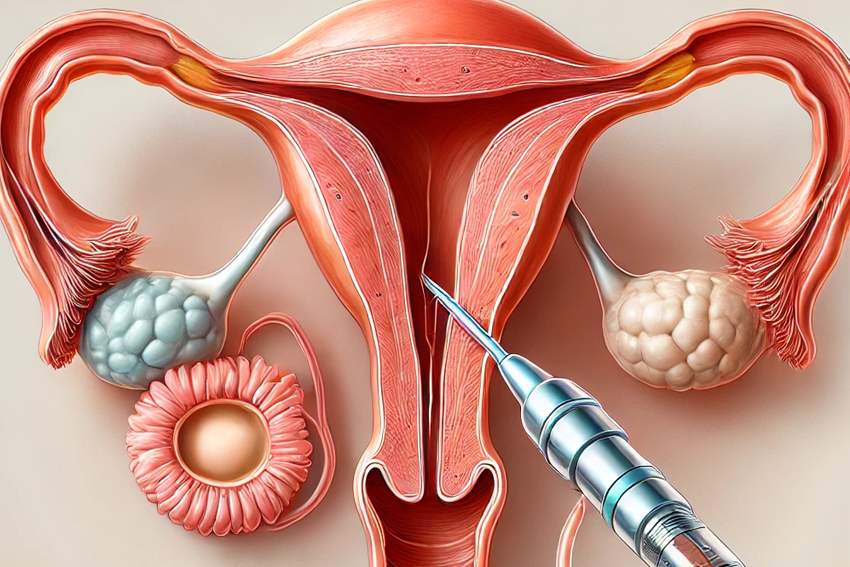
Intrauterine Insemination (IUI) is a hopeful path for many couples and individuals facing fertility challenges. Simple, non-invasive, and relatively affordable, IUI is often the first step in assisted reproduction. But what happens after the procedure can significantly impact your chances of success.

Many people wonder: “Do I need to rest after IUI? Should I eat something specific? Is intercourse okay afterward? What can I do to increase the chances of pregnancy?”

The truth is, while the IUI procedure itself takes just minutes, what you do afterward can make a big difference in how well your body responds. From physical rest to emotional balance, every small step matters.

Let’s break down what truly supports success after IUI—based on science, expert advice, and real-life experiences.

1. The First 15 Minutes Matter: Rest, But Don’t Overdo It

Immediately after your IUI procedure, most clinics will ask you to rest for 10–15 minutes. This gives the sperm time to reach the fallopian tubes, although research shows that the sperm begin moving almost immediately.

After this brief rest, you can typically resume normal, light activities. Contrary to popular belief, prolonged bed rest isn't necessary—and in some cases, being inactive for too long can lead to unnecessary stress or anxiety.

Key takeaway:

  • Rest for 10–15 minutes post-IUI
  • No need for complete bed rest—gentle activity is fine.
  • Avoid intense exercise or heavy lifting for the rest of the day

2. Follow Your Fertility Medications as Prescribed

Many IUI cycles are supported by fertility medications like Clomid, Letrozole, or trigger shots such as hCG to help with ovulation timing. After IUI, you may also be prescribed progesterone supplements to support the uterine lining.

Consistency is key. Taking your medications on time and exactly as directed ensures that your body has the best environment for implantation.

Don’t skip:

  • Progesterone (vaginal or oral, depending on your doctor’s advice)
  • Prenatal vitamins with folic acid
  • Any antibiotics or hormone boosters prescribed post-procedure

3. Maintain a Healthy Sex Life (If Advised)

You might be surprised to learn that in many cases, doctors encourage intercourse a day or two after IUI. This helps increase sperm presence in the reproductive tract and may enhance the chances of fertilization.

However, this depends on your individual medical case, so always follow your doctor's instructions.

General guidance:

  • Ask your fertility doctor if and when intercourse is recommended post-IUI
  • Avoid it only if advised (e.g., in case of ovarian hyperstimulation or risk of infection)

4. Eat Well: Your Diet Fuels Fertility

After IUI, your body needs nourishment. A balanced, fertility-friendly diet supports hormonal function, uterine lining health, and overall well-being.

Focus on:

  • Whole grains: brown rice, oats, quinoa
  • Healthy fats: avocado, olive oil, nuts, seeds
  • Lean proteins: eggs, chicken, tofu, fish rich in omega-3s
  • Fruits and veggies: especially dark leafy greens, berries, and citrus
  • Hydration: drink plenty of water

Avoid excess sugar, caffeine, alcohol, and ultra-processed foods. While you don't need to be overly strict, choosing nutrient-dense meals helps give your body the best shot at success.

5. Get Quality Sleep

Sleep plays a vital role in hormone regulation and cellular repair. Aim for 7–9 hours of restful sleep each night. Try to keep a consistent schedule and create a relaxing nighttime routine.

Sleep tips:

  • Avoid screens an hour before bed
  • Keep your bedroom cool and dark
  • Use calming practices like meditation or reading before sleeping

6. Stay Positive and Manage Stress

It’s normal to feel anxious during the two-week wait after IUI. But chronic stress can lead to hormone imbalances and may negatively affect fertility.

You don’t need to force positivity, but try to cultivate calm and hopefulness. Surround yourself with supportive people and avoid overwhelming fertility forums if they increase your stress.

Try:

  • Breathing exercises
  • Gentle yoga or walking
  • Journaling or creative hobbies
  • Guided meditation or relaxation apps

7. Trust the Process and Your Doctor

Dr. Durga Vytla, a renowned fertility expert, emphasizes that success in IUI isn’t just about the procedure—it’s about preparation, mindset, and post-care. Following your clinic’s protocol and staying connected with your fertility specialist for follow-ups, blood tests, or ultrasound scans is crucial.

Signs to watch for post-IUI:

  • Mild cramping or spotting (normal)
  • Severe pain, fever, or unusual discharge (call your doctor)

Final Thoughts

Success after IUI is not guaranteed, but you can definitely support your body and boost your chances through simple, mindful actions. Rest briefly after the procedure, stick to your medications, fuel your body with healthy food, and stay emotionally balanced.

Remember—fertility journeys are deeply personal, and no two paths are the same. Be kind to yourself, celebrate your strength, and stay hopeful. Whether this IUI cycle brings a positive result or leads you to the next step, every choice you make now is an investment in your future family.

IVF

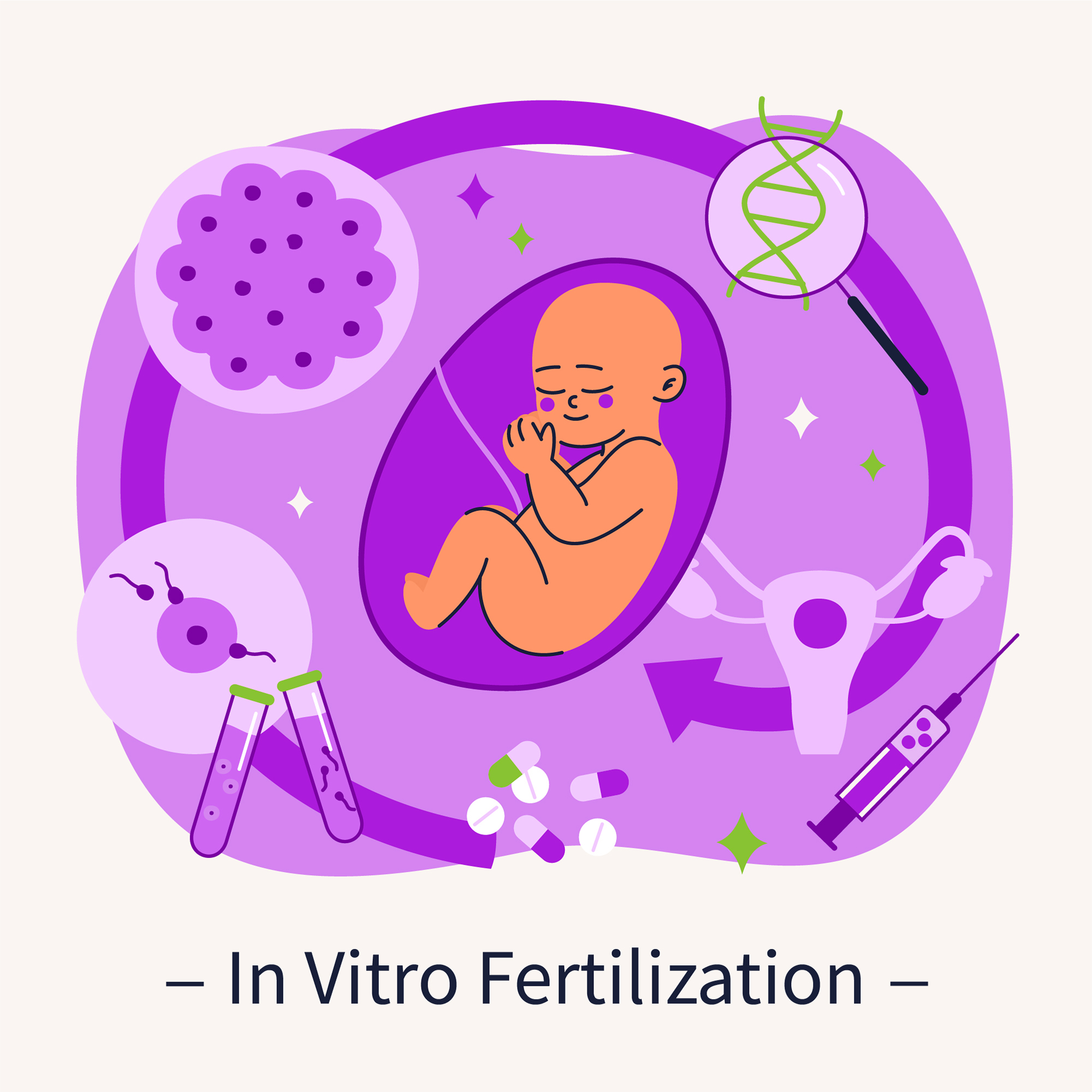
June is Infertility Awareness Month – You Are Not Alone on This Journey!

Introduction

Every June, we honor Infertility Awareness Month—a time to acknowledge a deeply personal and often painful reality that affects millions of individuals and couples worldwide. Infertility isn’t just a medical issue—it’s a journey filled with courage, heartbreak, resilience, and hope.

At NOVA IVF, under the compassionate care of Dr. Durga Vytla, we believe in supporting not just the diagnosis, but the whole person behind it. If you're facing challenges in building your family, this month serves as a powerful reminder: you are not alone.

What is Infertility Awareness Month?

Infertility Awareness Month is about breaking the silence and opening up honest conversations about reproductive struggles. It’s a time to educate, empower, and support everyone impacted by infertility.

🔹 1 in 6 couples globally experience infertility.
🔹 Yet many suffer in silence due to shame, stigma, or isolation.

This month, we aim to normalize the conversation, raise awareness, and foster compassion and community.

The Emotional Impact of Infertility

Infertility goes far beyond lab tests and medical procedures. It touches every part of life—emotionally, mentally, and spiritually.

You may know this pain if you've experienced:

  • Silent tears after a negative pregnancy test

  • The heartache of celebrating others’ pregnancies while hiding your own grief

  • The emotional rollercoaster of hope, disappointment, and perseverance

At NOVA IVF, we’ve walked alongside countless couples—from their lowest moments to the joy of hearing their baby’s first heartbeat. Your emotions matter. Your story matters.

Let’s Talk About It – And Keep Talking

One of the most powerful ways to reduce stigma is through open dialogue. Whether you're at the beginning of your fertility journey or somewhere in the middle, you deserve to be heard, understood, and supported.

➡️ Share your story
➡️ Ask your questions
➡️ Seek help—without fear of judgment

If you’re not personally affected, this month is an invitation to listen, support, and stand with someone who is. Sometimes, just saying “I’m here for you” makes all the difference.

We’re With You – Every Step of the Way

At NOVA IVF, we offer compassionate, evidence-based fertility care that’s tailored to your unique journey. You’re not just a patient—you’re a partner in this process.

✅ Personalized fertility plans
✅ Advanced fertility treatments: IUI, IVF, egg freezing, and more
✅ Emotional and psychological support
✅ A welcoming, judgment-free environment

Whether you're exploring your options or ready to take the next step, we’re here to help you move forward with confidence.

A Message of Hope from Dr. Durga Vytla

“To everyone walking the path of infertility: you are more than your diagnosis. Your pain is valid. Your dream is possible. Let this June be the beginning of renewed hope.” – Dr. Durga Vytla

Infertility may feel isolating, but you’re not alone—not this month, not ever. Take that step. Book the consultation. Ask the questions. Or simply let yourself hope again.

Need Support? Let’s Talk.

If you're struggling with infertility or looking for answers, we’re just a call or message away. At NOVA IVF, your journey is our priority.

📞 Call us: 78160 78383
📍 Visit us: KALLURIS, Plot No, 6-3-251, Nova IVF Fertility Centre, 6A, Banjara Hills Rd Number 1, beside GVK One, Balapur Basthi, Banjara Hills, Hyderabad, Telangana 500082 https://drdurgavytla.com/

#InfertilityAwarenessMonth | #YouAreNotAlone | #HopeThroughFertility
#NOVAIVF | #DrDurgaVytla | #FertilityAwareness2025

Is Egg Freezing a Smart Choice or Still Seen as a Luxury?

As more women take control of their futures—personally and professionally—the conversation around fertility preservation is changing. Once considered a luxury for celebrities or the ultra-wealthy, egg freezing is now a growing option among women from all walks of life. But is it a smart investment in your reproductive health or still an expensive, uncertain gamble?

Let’s explore the reality of egg freezing, how it works, what it costs in India, and who it’s really for.

What Is Egg Freezing?

Egg freezing, or oocyte cryopreservation, is a process in which a woman’s eggs are collected, frozen, and stored for future use. This enables a woman to preserve her fertility and have a chance at motherhood later in life, even if her natural fertility declines due to age, medical conditions, or personal reasons.

The procedure involves stimulating the ovaries to produce multiple eggs, retrieving them under light sedation, and then freezing the eggs. Later, these eggs can be thawed, fertilized with sperm, and implanted in the uterus through in vitro fertilization (IVF).

Why Are More Women Freezing Their Eggs?

There are several reasons why egg freezing is gaining popularity in India and worldwide:

  • Career or education priorities: Many women are focusing on their careers, studies, or travel before they feel ready to settle down and start a family.

  • Not yet in the right relationship: Some women haven’t found the right partner but want to preserve their fertility options while waiting.

  • Health reasons: Women diagnosed with conditions like endometriosis, PCOS, or cancer may freeze their eggs before treatments (like chemotherapy) that could affect fertility.

  • Fertility decline with age: Female fertility declines with age, and freezing eggs at a younger age helps preserve better-quality eggs for future pregnancy attempts.

Is Egg Freezing a Smart Choice?

From a medical perspective, egg freezing can be a smart choice, particularly when done earlier in life. Here’s why:

1. Age is a Key Factor

The success of using frozen eggs depends largely on the age at which they are frozen. Women freezing their eggs before age 35 have a much higher chance of successful fertilization, embryo development, and pregnancy.

2. Peace of Mind

Egg freezing provides peace of mind. Women no longer feel rushed to make reproductive decisions based on age or external pressure, allowing them to pursue their careers, education, or personal goals without the fear of losing fertility.

3. Technological Advancements

The success rates for egg freezing have significantly improved in recent years, thanks to advances in freezing technology like vitrification, which helps preserve the eggs’ integrity better than previous methods.

Who Should Consider Egg Freezing?

Egg freezing is worth considering if:

  • You’re in your late 20s to early 30s and feel that starting a family isn’t feasible just yet.

  • You have a medical condition, such as endometriosis, PCOS, or are undergoing cancer treatment, that might affect your fertility.

  • You’ve experienced early menopause or have a family history of it.

  • You want to extend your fertility and preserve eggs while still in your reproductive prime.

The optimal time to freeze eggs is before the age of 35, but it can be beneficial for women up to the age of 38, depending on their reproductive health.

Is Egg Freezing Worth It? The Emotional and Financial Bottom Line

Egg freezing is not just about storing eggs—it’s about giving yourself options for the future. For some women, the peace of mind knowing that they can have children later is worth the investment. For others, the emotional and financial costs may outweigh the potential benefits.

The decision to freeze your eggs is deeply personal. If you’re uncertain, a consultation with a fertility specialist can provide you with more information on your reproductive health, egg quality, and the success rates specific to your situation.

Final Thoughts: Smart Investment or Luxury?

The stigma around egg freezing as a "luxury" is gradually fading. Today, it is more about reproductive autonomy and giving women control over when and how they want to start a family. While it is an investment, it offers flexibility and peace of mind, especially for women who are delaying motherhood for career, relationship, or health reasons.

Dr. Durga Vytla and her team of experts specialize in fertility preservation and providing personalized reproductive care. If you’re considering egg freezing, schedule a consultation to understand your fertility health and explore your options in greater detail.

Understanding Uterine Fibroids: A Couple’s Guide to Fertility, Symptoms, and Treatment

Fibroids are a common concern for many women of reproductive age. These non-cancerous (benign) growths develop in the uterus and can silently impact your life, especially if you’re trying to conceive. For couples struggling with unexplained infertility or distressing menstrual symptoms, understanding fibroids is a crucial step toward reclaiming your health and building the family you dream of.

In this blog, we’ll explore what fibroids are, how they can affect fertility and quality of life, and the personalized treatment options available—including when surgery might be the best choice.

What Are Uterine Fibroids?

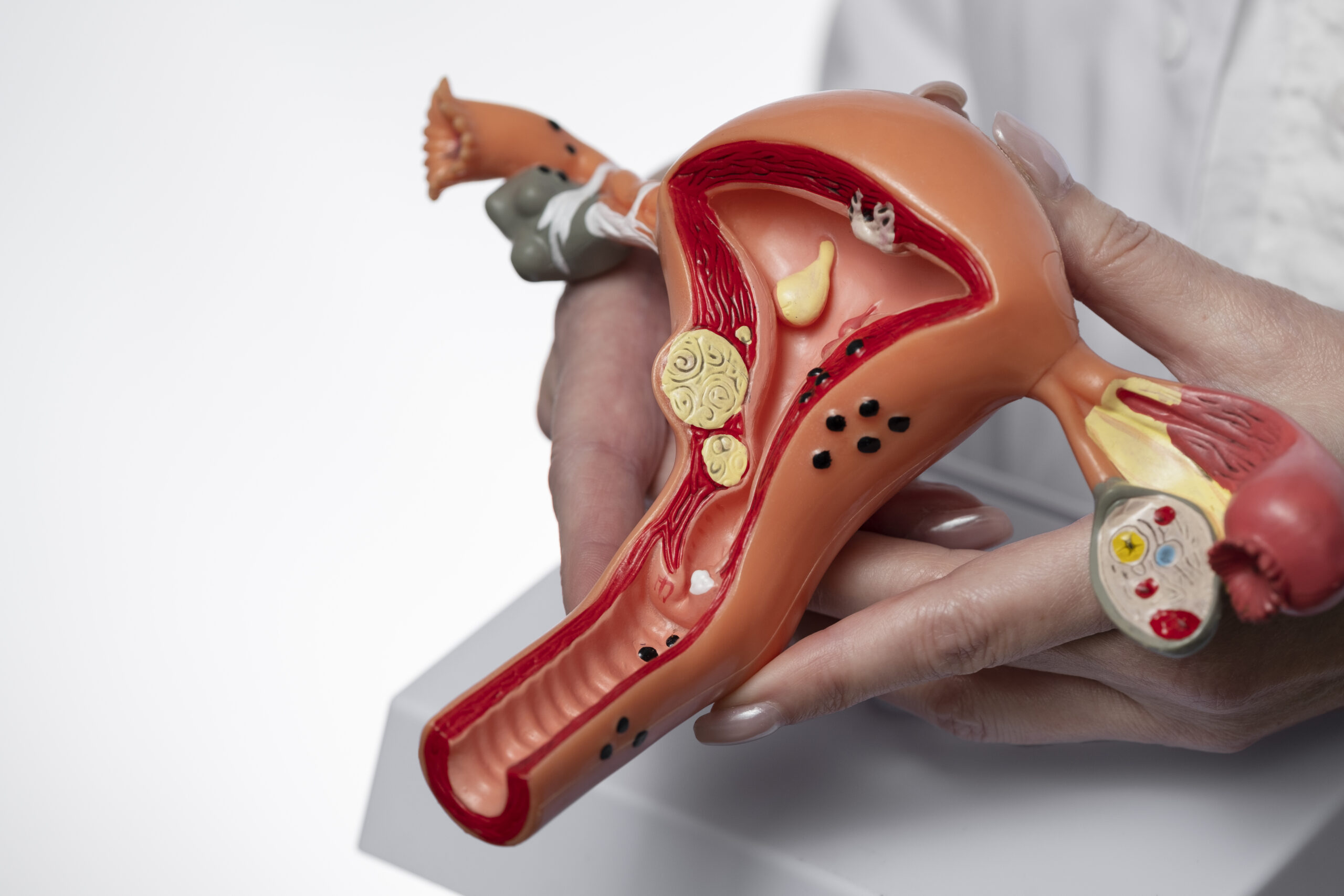
Uterine fibroids, also known as leiomyomas or myomas, are benign growths that develop from the muscle tissue of the uterus. While some women may have fibroids without ever knowing, others experience symptoms that can interfere with daily life and fertility.

There are four main types of fibroids:

  • Intramural fibroids: These grow within the wall of the uterus and are the most common type.

  • Submucosal fibroids: Located just under the inner lining of the uterus, these can protrude into the uterine cavity and are closely linked to heavy bleeding and fertility issues.

  • Subserosal fibroids: Found on the outer surface of the uterus, these can grow quite large and press on nearby organs.

  • Pedunculated fibroids: These fibroids are attached to the uterus by a thin stalk and can either be subserosal or submucosal.

Each type of fibroid can affect the body differently, which is why treatment should always be personalized.

How Fibroids Affect Fertility and Pregnancy

One of the most emotional challenges couples face is difficulty conceiving—and fibroids can be an underlying cause.

  • Blocked Fallopian Tubes: Large or poorly located fibroids can distort the shape of the uterus or block the fallopian tubes, preventing sperm from meeting the egg.

  • Implantation Issues: Submucosal fibroids can alter the uterine lining, making it difficult for a fertilized embryo to implant.

  • Increased Risk of Miscarriage: Women with certain types of fibroids are at a higher risk of early miscarriage.

  • Pregnancy Complications: Even if conception occurs, fibroids can increase the chances of preterm birth, breech position, or cesarean delivery.

If you and your partner have been trying to conceive for over 6–12 months without success, it's essential to consult a fertility specialist or gynecologist who can evaluate for fibroids using ultrasound or MRI.

Common Symptoms of Uterine Fibroids

Some women never experience symptoms, but when fibroids become large or numerous, they can lead to:

  • Heavy or prolonged menstrual bleeding

  • Pelvic pain or pressure

  • Frequent urination

  • Pain during intercourse

  • Constipation or bloating

  • Lower back pain

These symptoms not only interfere with day-to-day comfort but can also impact mental health, relationships, and intimacy.

When Should You Consider Surgery for Fibroids?

While many fibroids can be managed with medication, surgery may be recommended in cases of:

  • Severe or chronic pelvic pain

  • Heavy menstrual bleeding that leads to anemia

  • Infertility or repeated pregnancy loss

  • Rapid growth or suspicion of malignancy (rare)

  • Fibroids that distort the uterine cavity

Myomectomy is the most common fertility-preserving surgery. It involves removing fibroids while keeping the uterus intact. This is different from a hysterectomy, which removes the uterus and is usually reserved for women who do not wish to have children.

Minimally invasive techniques such as laparoscopic or hysteroscopic myomectomy offer quicker recovery and less scarring, making them ideal for women who want to conceive.

Personalized Fibroid Treatment: One Size Doesn’t Fit All

Every woman’s body—and journey—is different. That’s why treatment for uterine fibroids should be customized based on your symptoms, age, fertility goals, and the size and location of the fibroids.

Some treatment options include:

  • Watchful waiting for small, asymptomatic fibroids

  • Hormonal therapy to manage bleeding and shrink fibroids temporarily

  • Non-surgical procedures like uterine artery embolization (UAE) for certain candidates

  • Surgical removal for those desiring symptom relief or planning pregnancy

If fertility is a priority, working with a gynecologist who specializes in reproductive health is crucial.

Hope and Healing with the Right Support

Dealing with fibroids can feel isolating, especially when fertility is involved. But you are not alone—and effective, compassionate care is available. With proper diagnosis and personalized treatment, most women with fibroids go on to have healthy pregnancies and fulfilling lives.

If you're experiencing symptoms of fibroids or struggling to conceive, don’t wait. Early diagnosis can prevent complications and expand your treatment options.

Meet Dr. Durga Vytla – Expert in Women's Health and Fertility

Dr. Durga Vytla is dedicated to helping women and couples navigate complex gynecological issues with care and confidence. With advanced training in fibroid management and fertility-focused treatment plans, she provides compassionate, evidence-based care tailored to your unique needs.

Book your consultation today and take the first step toward a healthier, happier future.

Key Takeaways

  • Uterine fibroids are benign but can affect fertility, menstrual health, and quality of life.

  • Treatment should be personalized based on symptoms, fertility goals, and fibroid type.

  • Surgery may be necessary for symptom relief or to improve pregnancy chances.

  • Early intervention and expert care can make a world of difference.
pregnancy loss

Your Body Needs Time: The Importance of Healing After Pregnancy Loss!

Healing After Miscarriage: How to Support Your Body and Mind Before Trying Again!

Experiencing a miscarriage can be deeply painful—both physically and emotionally. It’s a loss that’s often invisible to the outside world, but one that leaves a lasting impact on your body and spirit. At such a vulnerable time, it’s important to understand that healing takes time, and the journey back to trying again must be handled with care, patience, and medical guidance.
As a trusted fertility doctor in Hyderabad, Dr. Durga Vytla often advises her patients to allow their bodies and minds to recover completely before attempting to conceive again. Whether you’ve experienced an early miscarriage or a later pregnancy loss, your body needs time to restore, and your emotions need space to process the grief.
Let’s explore the key aspects of miscarriage recovery—from physical healing to emotional support—and how waiting for at least 2–3 menstrual cycles can help prepare your body for a healthier, more supported pregnancy journey.

1. Physical Recovery: Giving Your Body Time
After a miscarriage, the uterus goes through a process of returning to its normal state. This includes shedding remaining pregnancy tissue, shrinking back to its original size, and gradually resuming menstrual cycles.
Why wait 2–3 menstrual cycles?
This timeframe allows the endometrial lining to rebuild healthily.

  • It provides time for hormone levels (like hCG) to normalize.
  • It reduces the risk of complications in the next pregnancy, especially if the cause of miscarriage was hormonal imbalance or uterine anomalies.
  • During this period, it's crucial to monitor your menstrual cycles, track ovulation (once cycles return), and consult your gynaecologist if irregularities persist.

2. Nutritional Support: Rebuilding Hemoglobin and Energy
Miscarriages can often lead to blood loss, which may lower your hemoglobin levels, leaving you feeling fatigued and weak. Boosting your iron levels naturally is a fundamental part of the recovery process.
Tips for rebuilding hemoglobin:
Eat iron-rich foods like spinach, legumes, red meat, and pumpkin seeds.

  • Pair iron with vitamin C sources (like citrus fruits) to improve absorption.
  • Consider iron supplements, but only under medical supervision.
  • Stay hydrated and include folic acid in your diet to support future pregnancy health.
  • Your body is the foundation of your next pregnancy, and ensuring it's nourished and strong is the first step in reclaiming your fertility journey.

3. Emotional Healing: You Are Not Alone
The emotional aspect of miscarriage is often the most overlooked. It’s common to feel a mix of sadness, anger, confusion, and fear. Grieving this loss is deeply personal, and no two people process it the same way.
What can help emotionally?

  • Talk to a therapist or join a support group for women who have experienced pregnancy loss.
  • Share your feelings with your partner; healing together strengthens your relationship.
  • Practice self-compassion—this was not your fault.
  • Taking care of your mental health is just as important as physical recovery. When you're emotionally grounded, you’ll feel more empowered and less anxious about trying to conceive again.

4. When to Try Again: The Right Time Is When You Feel Ready
There’s no perfect answer to when you should try again. But from a medical perspective, many fertility specialists, including Dr. Durga Vytla, suggest waiting until you've had at least two to three menstrual cycles. This allows your body to restore its hormonal rhythm and prepare a healthier environment for a new pregnancy.
It's not just about the physical readiness; you must feel emotionally prepared too. Some couples are ready after a few months, while others may need a year or more. Your journey is unique—and that’s okay.

5. Seeking Support: You Don’t Have to Do This Alone
A compassionate, skilled fertility team can guide you through every stage—from post-miscarriage recovery to planning your next steps. Whether it's natural conception, fertility treatments, or IVF, having a fertility doctor in Hyderabad, like Dr. Durga Vytla at Nova IVF, can make all the difference.
At Nova IVF, we focus on holistic care:

  • Physical recovery support.
  • Hormonal assessments and fertility planning.
  • Emotional counseling and mental health resources.
  • Personalized fertility treatments tailored to your journey.

Final Thoughts: Honor Your Healing, Embrace Hope
If you’ve gone through a miscarriage, please know this—your pain is valid, your strength is real, and your future still holds hope. Taking time to heal isn’t a delay—it’s a gift to yourself, your body, and your future baby.
Give yourself the care and time you truly deserve. You are not broken. You are healing. And you are not alone.

#FertilityDoctor #DrDurgaVytla #GynaecologistHyderabad #NovaIVF #BanjaraHillsDoctor
#MiscarriageRecovery #TryingToConceive #PregnancyAfterLoss #FertilitySupport
#WomensHealth #IVFJourney #FertilityAwareness #EmotionalHealing #HopeAfterLoss
#fertilitydoctor

The Fertile Window: Timing It Right for a Natural Pregnancy

When you're trying to conceive (TTC), timing is everything. Many hopeful couples focus on ovulation day alone, not realizing the full fertile window extends a few days before and after. Understanding your cycle—and how long sperm and eggs actually live—can make a big difference on your pregnancy journey.

Let’s break it down in a simple, friendly way so you can take one step closer to holding your little one.

🥚 How Long Does the Egg Live?

Here’s something most women don’t realize until they start tracking their cycles: an egg lives for only about 24 hours after ovulation. That’s just one day for the egg to be fertilized before it’s no longer viable.

This narrow window means you can't rely on intercourse on ovulation day alone. If you want to increase your chances of conception, you’ll need to work with your body’s timing.

🧬 What About the Sperm?

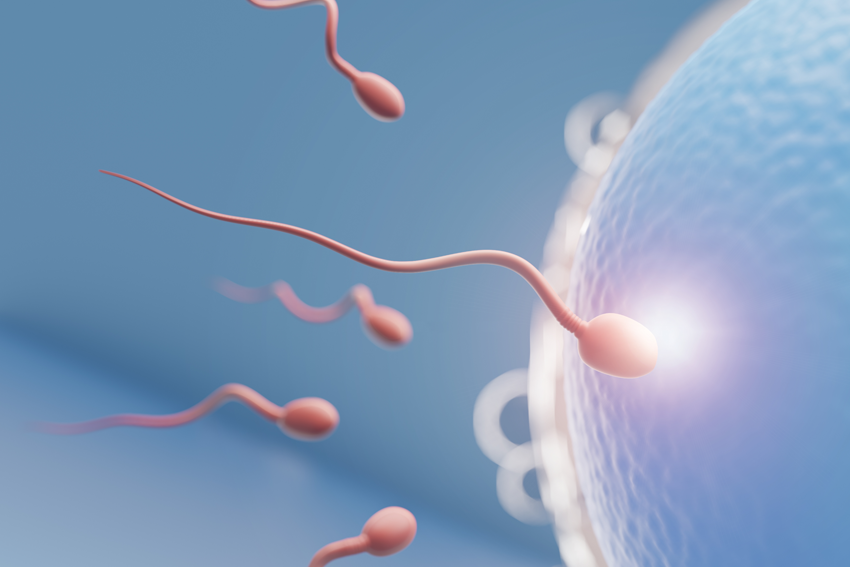
This is where things get interesting. Sperm can survive inside a woman’s reproductive tract for 3 to 5 days.

This longer lifespan gives you an advantage. Even if you have intercourse before ovulation, sperm can "wait" in the fallopian tubes for the egg to arrive. That’s why fertility specialists recommend timing intercourse before ovulation, not just on the day itself.

💡 So, When Should You Have Intercourse?

To give yourself the best chance of natural conception, plan to have intercourse on the following days:

✅ 3 days before ovulation
✅ 2 days before ovulation
✅ 1 day before ovulation
✅ On ovulation day
✅ 1 day after ovulation

This creates a fertile "cushion" around the egg’s short 24-hour lifespan. It also gives sperm plenty of time to be in place and ready for fertilization.

🗓 How to Calculate Your Ovulation Day

A quick formula:
Ovulation Day = Your Cycle Length – 14

Let’s say your cycle is 35 days long.
Ovulation likely happens on Day 21 (35 – 14 = 21).

If your cycle is 28 days, ovulation probably happens around Day 14.
Of course, every woman’s cycle is slightly different, so tracking for a few months helps build a clearer picture.

📈 Tools to Track Your Cycle

You don’t need complicated apps or fancy gadgets to get started. Here are a few easy ways to track your ovulation:

  • Period tracking apps (like Flo, Clue, or Glow)
  • Basal body temperature (BBT) tracking
  • Ovulation predictor kits (OPKs)
  • Cervical mucus changes (clear and stretchy mucus is a good sign of fertility)

Combining two or more of these methods gives a more accurate view of your fertile window.

❤️ The Human Side of TTC

Let’s be honest—trying to conceive can be emotional. You may feel stressed, anxious, or even discouraged if it doesn’t happen right away.

That’s completely normal.

As a fertility doctor in Hyderabad, I often meet couples who thought natural conception would be easy. It’s okay to ask for support, track your cycle, and even laugh a little along the way. Small changes in timing and awareness can lead to big results.

🧘‍♀️ Tips to Support Natural Fertility

Along with timing intercourse, here are a few additional tips to support your fertility:

  • Eat a balanced diet rich in antioxidants and whole foods.
  • Maintain a healthy weight – being underweight or overweight can affect ovulation.
  • Limit stress – easier said than done, but mindfulness and light exercise can help.
  • Avoid smoking and alcohol, both of which reduce fertility in men and women.

If you’ve been trying for over 6–12 months (depending on your age), don’t hesitate to reach out to a fertility specialist. It’s never too early to understand your options.

📍 Personalized Fertility Guidance in Hyderabad

Whether you're just beginning your TTC journey or have been trying for a while, know that you're not alone. At Nova IVF Hyderabad, we’re here to guide you every step of the way.

With simple advice, cycle monitoring, and the right support, natural conception may be closer than you think.

If you have questions or want help tracking your cycle, reach out today. One consultation can make all the difference.

🔁 Share this post with someone who’s TTC – you might just give them the hope they needed today.

#DrDurgaVytla
#NovaIVF
#HyderabadFertilityDoctor
#FertileWindow
#OvulationTips
#EggLife
#SpermLife
#TTCJourney
#NaturalConception
#FertilityAwareness
#TryingToConceive
#CycleTracking
#PregnancyPlanning
#TeluguFertilityDoctor
#WomensHealthHyderabad

Plastic & Female Fertility: What Every Woman Needs to Know

Plastic has become an inseparable part of our daily lives — from the bottles we drink water from to the containers that hold our leftovers, and even in some of our cosmetics and skincare products. But what many women don’t realize is that certain chemicals hidden in everyday plastics can quietly impact their reproductive health.

Two of the most concerning chemicals are Bisphenol A (BPA) and phthalates. These are known as endocrine disruptors, which means they can interfere with the body's natural hormone functions. For women, especially those trying to conceive or planning for a family in the future, this interference can be more harmful than it seems.

How Do These Chemicals Affect Fertility?

Your ovarian reserve refers to the number and quality of eggs you have. While this naturally declines with age, studies now show that exposure to endocrine-disrupting chemicals like BPA and phthalates may accelerate this decline.

These chemicals mimic or block hormones such as estrogen and can throw off the delicate hormonal balance required for ovulation, egg maturation, and implantation. Over time, this may lead to a reduced egg reserve, irregular cycles, and even infertility.

Women who are already facing challenges with fertility or undergoing treatments like IVF must be particularly cautious. Even small, daily exposures to these toxins can build up and affect long-term reproductive health.

Where Are These Chemicals Found?

Plastic water bottles (especially when reused or exposed to heat)

Food storage containers (non-BPA-free types)

Microwavable plastic containers

Canned foods (lining often contains BPA)

Cosmetics, shampoos, and perfumes (with phthalates as stabilizers)

Toys, household items, and packaging materials

What Can You Do to Protect Your Fertility?

Making small, intentional lifestyle changes can significantly reduce your exposure:

Choose BPA-free and phthalate-free products.

Store food in glass or stainless steel containers.

Never microwave food in plastic containers.

Switch to natural or organic cosmetics and personal care products.

Use filtered water in glass bottles, especially during travel or workouts.

A Call to Conscious Living

As a fertility specialist, I often remind women that protecting your fertility starts with awareness. The choices you make today — even as simple as the container you store your lunch in — can influence your reproductive health tomorrow.

Let’s start reading labels, asking questions, and making mindful swaps. Your hormones deserve a plastic-free lifestyle, and so does your future family.

---

Dr. Durga Vytla

Infertility Specialist | Fertility Doctor Hyderabad


#FemaleFertility #ProtectYourFertility #HormoneHealth #InfertilityAwareness #PlasticFreeLife #IVFHyderabad #DrDurgaVytla

Understanding Advanced Fertility Treatments with Dr. Durga Vytla

Infertility can be caused by a range of factors — from hormonal imbalances and anatomical issues to unexplained reasons. The good news is that medical science has evolved dramatically, offering advanced treatments to support nearly every cause of infertility. But navigating these options can feel daunting without expert guidance.

🌟 Your Trusted Partner in Parenthood
Choosing an expert like Dr. Durga Vytla ensures that you are not only choosing hope but also the highest level of expertise in fertility care.

👩‍⚕️ About Dr. Durga Vytla
A trusted name in fertility treatment, Dr. Durga brings over 15 years of compassionate care to her patients. She blends emotional support with clinical excellence, ensuring couples feel heard, understood, and cared for at every step.

🏆 Education and Global Exposure
With an MBBS and PG Diploma in Obstetrics & Gynecology, she pursued a Fellowship in Reproductive Medicine at IHR Guwahati and underwent Advanced Training at UKSH, Germany — keeping her skills updated with the latest in global fertility science.

💡 Breaking Down Key Treatments

🔹 Ovarian Rejuvenation:
Age or other factors can lower ovarian reserve. Ovarian rejuvenation therapy aims to restore ovarian function and offers new hope to women who have been told they have 'no eggs left.'

🔹 Handling Poor Ovarian Response:
Through highly individualized stimulation protocols, Dr. Durga helps women with low ovarian reserve achieve better egg yields during IVF cycles.

🔹 Recurrent Pregnancy Loss (RPL):
With an empathetic yet detailed diagnostic approach, Dr. Durga identifies underlying issues like immunological factors, genetic abnormalities, or uterine anomalies to create effective treatment plans.

🔹 Difficult Egg Retrievals:
Some cases require special expertise, such as abdominal egg retrievals. Dr. Durga’s skill in handling complex procedures increases the chances of success even in challenging scenarios.

🔹 Preimplantation Genetic Testing (PGT):
This ensures the healthiest embryos are chosen, significantly increasing success rates while reducing risks of genetic disorders.

🔹 Endometrial Receptivity Analysis (ERA):
Timing is critical for embryo transfer success. ERA allows the precise determination of the best time to transfer embryos for maximum success.

Tailored Care at Every Step
Dr. Durga believes in treating the individual, not just the condition. Her strategies are carefully designed based on each patient's unique needs, medical history, and emotional well-being.

If you're considering fertility treatments, start with expert guidance. Trust Dr. Durga Vytla to illuminate your path with the latest science, heartfelt compassion, and unwavering dedication.

When Hope Seems Lost: How Dr. Durga Vytla Rekindles Parenthood Dreams

Infertility doesn't just affect the body — it can weigh heavily on the mind and spirit. Feelings of frustration, sadness, and isolation are common. During such vulnerable moments, having a compassionate, skilled fertility expert by your side can transform your journey.

🌟 Your Trusted Partner in Parenthood
With extensive experience and genuine empathy, Dr. Durga Vytla has been that lifeline for countless couples, helping them realize their dreams of parenthood even after years of struggle.

👩‍⚕️ Who is Dr. Durga Vytla?
A highly respected Obstetrician, Gynecologist, and Infertility Specialist, Dr. Durga brings more than 15 years of clinical excellence, offering a patient-first approach that places your hopes and dreams at the center of every decision.

🏆 World-Class Expertise
Having completed her MBBS and Postgraduate Diploma in Obstetrics & Gynecology, Dr. Durga further enhanced her skills with a Fellowship in Reproductive Medicine from IHR Guwahati and advanced training at UKSH, Germany. Her exposure to international best practices sets her apart in delivering high-quality care.

💡 When Challenges Get Tough, So Does the Care

🔹 Specialized Care for Complex Cases:
Whether it's Poor Ovarian Responders or Recurrent Implantation Failures, Dr. Durga crafts specialized, evidence-backed strategies that give hope even to patients who've faced repeated failures elsewhere.

🔹 Advanced Genetic Screening:
Through Preimplantation Genetic Testing (PGT), Dr. Durga ensures only the healthiest embryos are selected, improving chances of a healthy pregnancy.

🔹 Ethical Donor Programs:
For couples requiring egg or sperm donation, Dr. Durga offers highly vetted, ethical programs ensuring safe and compassionate options.

🔹 Holistic Patient Care:
Recognizing that infertility affects mental and emotional health too, Dr. Durga emphasizes empathetic counseling along with medical treatment, ensuring holistic healing.

🧬 Personalized Pathways to Parenthood
Every patient is unique, and so is their treatment journey. Dr. Durga’s approach is centered around you — your body, your hopes, and your emotional needs. She offers clear communication, realistic expectations, and unwavering support.

When hope feels distant, a helping hand can make all the difference. Trust in Dr. Durga Vytla — where expert care meets heartfelt compassion, lighting your way toward the family you've always dreamed of.