
Visit our Location
Nova IVF Fertility Centre, Banjara Hills
Opening Hours
Monday - Saturday: 9:00 AM - 4:00 PM

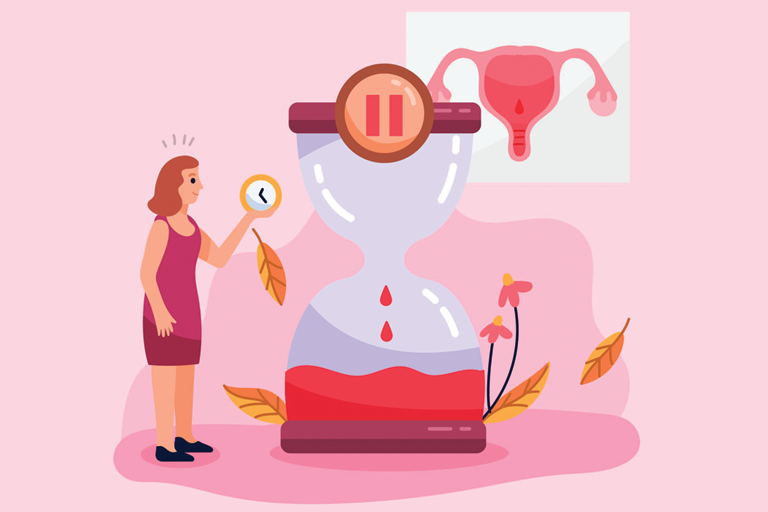
Is Your Period Normal? Here’s How to Know What’s Okay—and What’s Not

“Periods are monthly, right?”
Well… not always. And even when they are, the how, when, and how much can say a lot about your overall health.

As a gynaecologist in Hyderabad, I often hear questions like:

  • Is it normal to skip a period sometimes?

  • Should I worry about heavy bleeding?

  • What if my periods are very painful?

Understanding your menstrual cycle is one of the most powerful tools you have in managing your reproductive and hormonal health. In this blog, we’ll break down what a "normal" period looks like, the common signs of irregularities, and when it’s time to see your doctor.

What Is a Normal Period?

A "normal" menstrual cycle can vary from person to person, but in general:

  • Cycle length: 21 to 35 days

  • Bleeding duration: 2 to 7 days

  • Flow: Total blood loss of 30–80 ml (around 2–6 tablespoons)

  • Symptoms: Mild cramping, slight mood changes, breast tenderness

If your periods fall within this range and come regularly, that’s a good sign that your hormones and reproductive system are functioning well.

When Is a Period Considered Irregular?

Irregular periods occur when your cycle falls outside the typical 21–35 day window or changes unpredictably. It might include:

  • Skipping months without being pregnant

  • Bleeding more than once a month

  • Periods that are extremely light or unusually heavy

Common causes include:

  • Polycystic Ovary Syndrome (PCOS)

  • Thyroid disorders

  • Stress or significant weight changes

  • Perimenopause (in women over 40)

  • Chronic illnesses or medications

How Much Bleeding Is Too Much?

Heavy menstrual bleeding—also known as menorrhagia—can interfere with daily life and may indicate an underlying issue.

Signs of excessive bleeding:

  • Soaking through one or more pads/tampons every hour for several hours

  • Bleeding for more than 7 days

  • Passing large blood clots

  • Feeling tired or dizzy (possible anemia)

Possible causes:

  • Uterine fibroids

  • Endometriosis

  • PCOS

  • Hormonal imbalances

  • Certain birth control methods

If you're experiencing this, it's important to see a gynaecologist for a diagnosis and treatment options.

How Painful Is Too Painful?

Mild cramping is normal during your period. But if the pain:

  • Starts days before bleeding

  • Interferes with daily activities

  • Doesn’t respond to over-the-counter medication

  • Comes with nausea or bowel changes

It may be a sign of something more serious, such as:

  • Endometriosis

  • Adenomyosis

  • Pelvic inflammatory disease

  • PCOS

Chronic period pain should never be ignored. The earlier you seek help, the better your treatment outcomes.

Painful periods, endometriosis, period pain relief, women's health

When Should You See a Doctor?

Here’s when to stop guessing and book an appointment:

✅ You’re missing periods for more than 2 months
✅ Your cycle is less than 21 or more than 35 days
✅ You’re bleeding heavily or for longer than a week
✅ You have severe cramps or pelvic pain
✅ You’re trying to conceive and facing irregular cycles

As a fertility doctor at Nova IVF in Banjara Hills, I see many women who only realize their cycle irregularities when they're trying to get pregnant. But the truth is—your period health reflects your overall reproductive health. Early attention to irregularities can improve fertility outcomes later.

Fertility doctor Hyderabad, Dr Durga Vytla, Nova IVF, Banjara Hills doctor

How to Track Your Period for Better Health

Start by tracking your cycles using a calendar or an app. Record:

  • Start and end dates

  • Flow intensity

  • Symptoms (cramps, mood swings, fatigue)

  • Any spotting or unusual bleeding

This record helps both you and your doctor better understand what's going on and spot patterns over time.

Final Thoughts: Know Your Cycle, Own Your Health

Your menstrual cycle is a monthly report card from your body. Learning to read it gives you control, confidence, and clarity about your reproductive and hormonal well-being.

So, when is a period worth worrying about?
When it's too late, too early, too heavy, or too painful.
If something feels off, don’t brush it aside. A simple consultation can go a long way in preventing complications and supporting your future fertility.

Watch my quick video where I explain more about what’s normal and what’s not—and help you decide when to relax and when to reach out. 🔗 [Watch Out More]

#Periods #MenstrualHealth #WomenHealth #FertilityDoctor #DrDurgaVytla
#GynaecologistHyderabad #KnowYourCycle #PCOSAwareness #IrregularPeriods
#PainfulPeriods #NovaIVF #BanjaraHillsDoctor
 

pregnancy loss

Your Body Needs Time: The Importance of Healing After Pregnancy Loss!

Healing After Miscarriage: How to Support Your Body and Mind Before Trying Again!

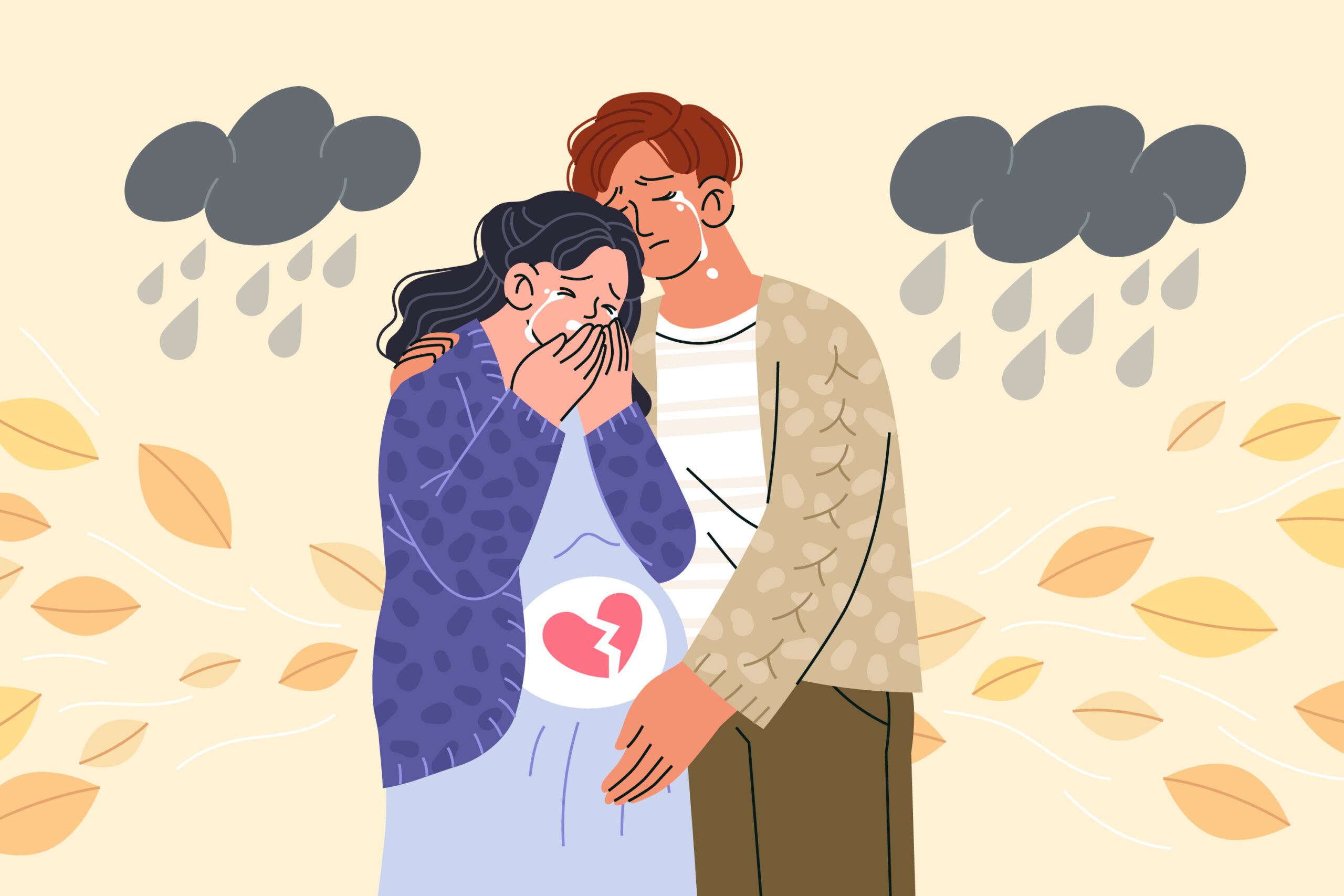
Experiencing a miscarriage can be deeply painful—both physically and emotionally. It’s a loss that’s often invisible to the outside world, but one that leaves a lasting impact on your body and spirit. At such a vulnerable time, it’s important to understand that healing takes time, and the journey back to trying again must be handled with care, patience, and medical guidance.
As a trusted fertility doctor in Hyderabad, Dr. Durga Vytla often advises her patients to allow their bodies and minds to recover completely before attempting to conceive again. Whether you’ve experienced an early miscarriage or a later pregnancy loss, your body needs time to restore, and your emotions need space to process the grief.
Let’s explore the key aspects of miscarriage recovery—from physical healing to emotional support—and how waiting for at least 2–3 menstrual cycles can help prepare your body for a healthier, more supported pregnancy journey.

1. Physical Recovery: Giving Your Body Time
After a miscarriage, the uterus goes through a process of returning to its normal state. This includes shedding remaining pregnancy tissue, shrinking back to its original size, and gradually resuming menstrual cycles.
Why wait 2–3 menstrual cycles?
This timeframe allows the endometrial lining to rebuild healthily.

  • It provides time for hormone levels (like hCG) to normalize.
  • It reduces the risk of complications in the next pregnancy, especially if the cause of miscarriage was hormonal imbalance or uterine anomalies.
  • During this period, it's crucial to monitor your menstrual cycles, track ovulation (once cycles return), and consult your gynaecologist if irregularities persist.

2. Nutritional Support: Rebuilding Hemoglobin and Energy
Miscarriages can often lead to blood loss, which may lower your hemoglobin levels, leaving you feeling fatigued and weak. Boosting your iron levels naturally is a fundamental part of the recovery process.
Tips for rebuilding hemoglobin:
Eat iron-rich foods like spinach, legumes, red meat, and pumpkin seeds.

  • Pair iron with vitamin C sources (like citrus fruits) to improve absorption.
  • Consider iron supplements, but only under medical supervision.
  • Stay hydrated and include folic acid in your diet to support future pregnancy health.
  • Your body is the foundation of your next pregnancy, and ensuring it's nourished and strong is the first step in reclaiming your fertility journey.

3. Emotional Healing: You Are Not Alone
The emotional aspect of miscarriage is often the most overlooked. It’s common to feel a mix of sadness, anger, confusion, and fear. Grieving this loss is deeply personal, and no two people process it the same way.
What can help emotionally?

  • Talk to a therapist or join a support group for women who have experienced pregnancy loss.
  • Share your feelings with your partner; healing together strengthens your relationship.
  • Practice self-compassion—this was not your fault.
  • Taking care of your mental health is just as important as physical recovery. When you're emotionally grounded, you’ll feel more empowered and less anxious about trying to conceive again.

4. When to Try Again: The Right Time Is When You Feel Ready
There’s no perfect answer to when you should try again. But from a medical perspective, many fertility specialists, including Dr. Durga Vytla, suggest waiting until you've had at least two to three menstrual cycles. This allows your body to restore its hormonal rhythm and prepare a healthier environment for a new pregnancy.
It's not just about the physical readiness; you must feel emotionally prepared too. Some couples are ready after a few months, while others may need a year or more. Your journey is unique—and that’s okay.

5. Seeking Support: You Don’t Have to Do This Alone
A compassionate, skilled fertility team can guide you through every stage—from post-miscarriage recovery to planning your next steps. Whether it's natural conception, fertility treatments, or IVF, having a fertility doctor in Hyderabad, like Dr. Durga Vytla at Nova IVF, can make all the difference.
At Nova IVF, we focus on holistic care:

  • Physical recovery support.
  • Hormonal assessments and fertility planning.
  • Emotional counseling and mental health resources.
  • Personalized fertility treatments tailored to your journey.

Final Thoughts: Honor Your Healing, Embrace Hope
If you’ve gone through a miscarriage, please know this—your pain is valid, your strength is real, and your future still holds hope. Taking time to heal isn’t a delay—it’s a gift to yourself, your body, and your future baby.
Give yourself the care and time you truly deserve. You are not broken. You are healing. And you are not alone.

#FertilityDoctor #DrDurgaVytla #GynaecologistHyderabad #NovaIVF #BanjaraHillsDoctor
#MiscarriageRecovery #TryingToConceive #PregnancyAfterLoss #FertilitySupport
#WomensHealth #IVFJourney #FertilityAwareness #EmotionalHealing #HopeAfterLoss
#fertilitydoctor