

Visit our Location
Nova IVF Fertility Centre, Banjara Hills
Opening Hours
Monday - Saturday: 9:00 AM - 4:00 PM

Low AMH Doesn’t Mean You Can’t Conceive Naturally!

Hearing that you have “low AMH” can be worrying for many women trying to conceive. It’s common to feel anxious and wonder whether pregnancy is still possible. But here’s the truth — low AMH does not mean infertility. It simply gives information about your egg quantity, not necessarily egg quality.

Many women with low AMH levels can and do conceive naturally — especially if they are young and otherwise healthy. Understanding what AMH means, and what it doesn’t, is the first step toward making informed fertility decisions.

What Is AMH and Why Is It Important?

AMH (Anti-Müllerian Hormone) is a hormone produced by small follicles in the ovaries. It helps fertility specialists estimate a woman’s ovarian reserve — that is, how many eggs remain in her ovaries.

  • High AMH: Suggests a good egg reserve or sometimes polycystic ovaries.

  • Low AMH: Indicates a reduced egg reserve — fewer eggs remaining in the ovaries.

It’s important to understand that AMH levels naturally decline with age, starting from the late 20s and more noticeably after 35. This decline doesn’t happen suddenly — it’s a gradual, age-related process.

Low AMH Reflects Egg Quantity, Not Quality

A common misconception is that low AMH means “poor-quality eggs.” That’s not entirely true.
AMH only reflects quantity, not quality.

Even if you have a lower number of eggs, those eggs can still be healthy and capable of fertilization. Egg quality depends largely on age and lifestyle factors such as nutrition, stress, sleep, and overall health.

For example, a 28-year-old woman with low AMH may still have good-quality eggs and can conceive naturally, while a 40-year-old woman with the same AMH value might find conception more difficult because egg quality naturally declines with age.

Can You Conceive Naturally with Low AMH?

Yes — many women with low AMH conceive naturally. What matters most is your age, ovulation pattern, and overall reproductive health.

  • If you’re under 35:
    Low AMH should not discourage you. You can still ovulate and release good-quality eggs. Regular monitoring of ovulation and timed intercourse can improve your chances of natural conception.

  • If you’re above 35 or married for several years:
    It’s wise to consult a fertility specialist early. Low AMH combined with advancing age may reduce natural fertility, but assisted treatments such as IUI or IVF can help achieve pregnancy faster and more effectively.

When Should You Test for AMH?

An AMH test is typically advised for:

  • Women who are planning to delay pregnancy.

  • Those with irregular periods or suspected ovarian issues.

  • Couples facing difficulty conceiving for over six months (if female age is above 35) or one year (if female age is below 35).

  • Women with a family history of early menopause.

The test is a simple blood test and can be done at any point in the menstrual cycle.

Low AMH: What Are Your Fertility Options?

If your AMH levels are low, don’t panic — there are still several paths to parenthood:

1. Natural Conception

If you’re young and your cycles are regular, natural conception is still possible. Tracking ovulation, maintaining a healthy weight, and having intercourse during the fertile window can increase success rates.

2. Fertility-Boosting Lifestyle

A balanced diet rich in antioxidants (found in green leafy vegetables, nuts, seeds, and fruits), regular exercise, adequate sleep, and reduced stress can help improve egg quality.

3. Ovulation Stimulation or IUI

In some cases, fertility specialists recommend ovulation induction — mild medication to boost egg release — followed by Intrauterine Insemination (IUI) to improve chances of fertilization.

4. IVF (In-Vitro Fertilization)

For women with very low AMH or those who have been trying for a long time, IVF can be a highly effective option. IVF allows fertility experts to retrieve and fertilize available eggs in a controlled environment, maximizing the chance of a successful pregnancy.

Hope and Real-Life Success

At Nova IVF Fertility, Banjara Hills, Dr. Durga Vytla and her team have helped many women with low AMH conceive — both naturally and through IVF. Personalized care, advanced technology, and a compassionate approach make all the difference.

“Every fertility journey is unique,” says Dr. Durga. “Low AMH is not the end of hope — it’s simply a signal to act wisely and early.”

Tips to Support Egg Health Naturally

  • Eat a fertility-friendly diet: walnuts, almonds, leafy greens, citrus fruits, and berries.

  • Avoid smoking, alcohol, and processed foods.

  • Get adequate vitamin D and omega-3 fatty acids.

  • Manage stress through yoga, meditation, or light exercise.

  • Maintain a healthy weight and stay hydrated.

These small lifestyle choices can make a big difference in improving overall reproductive health.
 

Real Indications for IVF: When Is It Truly Needed?

Real Indications for IVF: When Is It Truly Needed?
IVF often gets thrown around like it’s the default solution for every fertility issue—but nope, that’s not how science works. IVF is powerful, but it’s meant for the right patients at the right time. Think of it like upgrading to the “pro mode” of fertility treatment only when absolutely necessary.
Let’s decode the real, evidence-based indications for IVF — the situations where IVF genuinely improves the chances of a healthy pregnancy.
1️⃣ Tubal Block: When the Highway Is Closed
Your fallopian tubes are basically the expressway where the egg and sperm meet.
If both tubes are blocked — due to infections, previous surgeries, or severe adhesions — natural conception or IUI simply won’t work.
Why IVF?
Because IVF bypasses the tubes entirely. The egg and sperm meet in the lab, embryos are created safely, and then transferred into the uterus.
It’s the ultimate “roadblock bypass.”
2️⃣ Severe Male Factor Infertility
Sometimes, sperm need a little superhero boost.
When there’s extremely low sperm count, motility, or morphology… IVF + ICSI becomes the real MVP.
When this matters:
•Very low sperm count
•Very poor motility
•Severe abnormal forms
•Previous failed IUIs
•When sperm retrieval (TESA/PESA) is required
Why IVF?
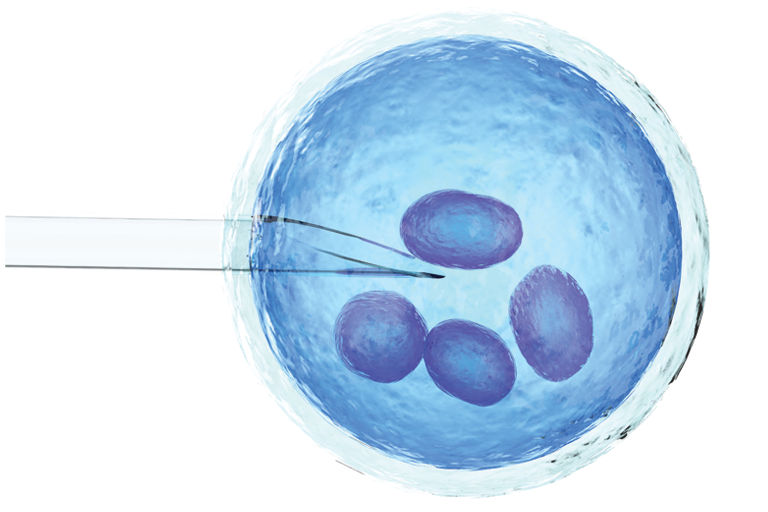
ICSI helps the sperm directly fertilize the egg, improving the chances dramatically.
3️⃣ Severe Endometriosis: When Inflammation Is the Villain
Endometriosis, especially stage 3 or 4, affects egg quality, tube function, pelvic anatomy, and even embryo implantation.
Why IVF?
It bypasses distorted anatomy, helps retrieve multiple eggs, and improves fertilization.
For women with advanced endometriosis, IVF offers significantly better success rates than trying naturally or attempting repeated IUIs.
4️⃣ Low Ovarian Reserve: When Time Needs a Fast-Forward Button
Low AMH, low antral follicle count, or reduced egg quality due to age or genetics are key triggers.
Signs you’re here:
•AMH is low
•AFC is low
•Repeated failed IUIs
•Age > 35 with fewer eggs
Why IVF?
It allows retrieval of as many eggs as available in one cycle and helps create embryos before ovarian reserve drops further.
Time is the main boss battle here — IVF helps you fight it smartly.
5️⃣ Repeated Miscarriages: When PGT Helps Find the “Why”
If a couple has had multiple pregnancy losses, especially early miscarriages, PGT (genetic testing of embryos) can be game-changing.
Why IVF?
IVF helps create embryos → embryos are tested → only genetically normal ones are transferred.
This reduces miscarriage risk and improves the chances of a healthy pregnancy.
Who Does Not Need IVF?
This is equally important.
IVF is not the first choice for everyone. Many couples conceive with:
•Lifestyle changes
•Ovulation induction
•Timed intercourse
•Simple treatments like IUI
The goal is not to jump to IVF — the goal is to choose the treatment that gives the highest chance of success in the shortest time, based on the couple’s medical profile.
Final Takeaway
IVF is a powerful, life-changing tool — but it’s meant for specific situations where simpler treatments won’t help, or where time and biology need a high-tech assist.
If you fall into any of these categories, IVF gives the safest and fastest path to a healthy pregnancy.
If you don’t, your doctor will guide you with more gentle, step-wise treatments first.
Either way: you’re not alone in this journey. And science has your back.

Is Egg Freezing a Smart Choice or Still Seen as a Luxury?

As more women take control of their futures—personally and professionally—the conversation around fertility preservation is changing. Once considered a luxury for celebrities or the ultra-wealthy, egg freezing is now a growing option among women from all walks of life. But is it a smart investment in your reproductive health or still an expensive, uncertain gamble?

Let’s explore the reality of egg freezing, how it works, what it costs in India, and who it’s really for.

What Is Egg Freezing?

Egg freezing, or oocyte cryopreservation, is a process in which a woman’s eggs are collected, frozen, and stored for future use. This enables a woman to preserve her fertility and have a chance at motherhood later in life, even if her natural fertility declines due to age, medical conditions, or personal reasons.

The procedure involves stimulating the ovaries to produce multiple eggs, retrieving them under light sedation, and then freezing the eggs. Later, these eggs can be thawed, fertilized with sperm, and implanted in the uterus through in vitro fertilization (IVF).

Why Are More Women Freezing Their Eggs?

There are several reasons why egg freezing is gaining popularity in India and worldwide:

  • Career or education priorities: Many women are focusing on their careers, studies, or travel before they feel ready to settle down and start a family.

  • Not yet in the right relationship: Some women haven’t found the right partner but want to preserve their fertility options while waiting.

  • Health reasons: Women diagnosed with conditions like endometriosis, PCOS, or cancer may freeze their eggs before treatments (like chemotherapy) that could affect fertility.

  • Fertility decline with age: Female fertility declines with age, and freezing eggs at a younger age helps preserve better-quality eggs for future pregnancy attempts.

Is Egg Freezing a Smart Choice?

From a medical perspective, egg freezing can be a smart choice, particularly when done earlier in life. Here’s why:

1. Age is a Key Factor

The success of using frozen eggs depends largely on the age at which they are frozen. Women freezing their eggs before age 35 have a much higher chance of successful fertilization, embryo development, and pregnancy.

2. Peace of Mind

Egg freezing provides peace of mind. Women no longer feel rushed to make reproductive decisions based on age or external pressure, allowing them to pursue their careers, education, or personal goals without the fear of losing fertility.

3. Technological Advancements

The success rates for egg freezing have significantly improved in recent years, thanks to advances in freezing technology like vitrification, which helps preserve the eggs’ integrity better than previous methods.

Who Should Consider Egg Freezing?

Egg freezing is worth considering if:

  • You’re in your late 20s to early 30s and feel that starting a family isn’t feasible just yet.

  • You have a medical condition, such as endometriosis, PCOS, or are undergoing cancer treatment, that might affect your fertility.

  • You’ve experienced early menopause or have a family history of it.

  • You want to extend your fertility and preserve eggs while still in your reproductive prime.

The optimal time to freeze eggs is before the age of 35, but it can be beneficial for women up to the age of 38, depending on their reproductive health.

Is Egg Freezing Worth It? The Emotional and Financial Bottom Line

Egg freezing is not just about storing eggs—it’s about giving yourself options for the future. For some women, the peace of mind knowing that they can have children later is worth the investment. For others, the emotional and financial costs may outweigh the potential benefits.

The decision to freeze your eggs is deeply personal. If you’re uncertain, a consultation with a fertility specialist can provide you with more information on your reproductive health, egg quality, and the success rates specific to your situation.

Final Thoughts: Smart Investment or Luxury?

The stigma around egg freezing as a "luxury" is gradually fading. Today, it is more about reproductive autonomy and giving women control over when and how they want to start a family. While it is an investment, it offers flexibility and peace of mind, especially for women who are delaying motherhood for career, relationship, or health reasons.

Dr. Durga Vytla and her team of experts specialize in fertility preservation and providing personalized reproductive care. If you’re considering egg freezing, schedule a consultation to understand your fertility health and explore your options in greater detail.