
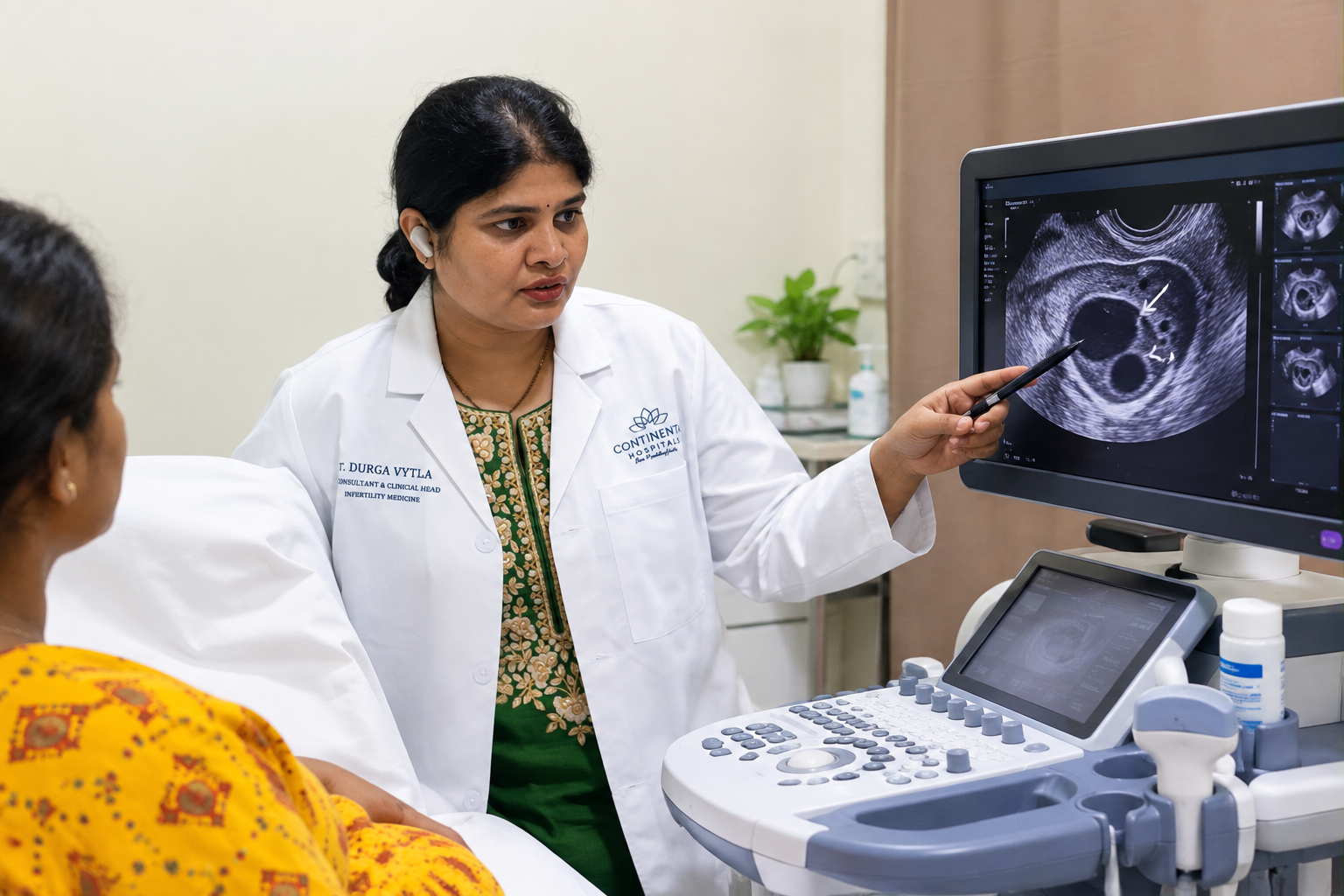
Blocked Fallopian Tubes: Symptoms and What It Means for Getting Pregnant
One of the more frustrating things about blocked fallopian tubes is that, for most women, there's nothing to notice — no pain, no signal, nothing that would prompt a visit to a doctor on its own. It's usually discovered specifically because someone has been trying to conceive without success, which makes the diagnosis feel sudden even though the blockage itself may have been there for years.
Do Blocked Tubes Actually Cause Symptoms?
For most women, no — blocked fallopian tubes are frequently entirely silent. This is part of why they're one of the more commonly missed causes of infertility until a proper workup is done. When symptoms do occur, they're usually related to the underlying cause of the blockage rather than the blockage itself:
- Chronic or recurring pelvic pain, particularly if the cause is a past pelvic infection
- Pain during intercourse, in some cases
- A history of unusually painful periods, if endometriosis is the underlying cause
- In cases of hydrosalpinx (a fluid-filled, blocked tube), occasionally a dull, persistent pelvic discomfort, though many hydrosalpinges are also silent
The absence of symptoms doesn't mean the blockage isn't significant — it just means you generally can't rely on your body to tell you.
What Actually Causes Blocked Fallopian Tubes
Pelvic inflammatory disease (PID), often resulting from untreated or delayed-treated sexually transmitted infections, is one of the most common causes, since the resulting scarring and inflammation can damage and block the tubes.
Endometriosis can cause blockages through scar tissue and adhesions forming around the tubes.
Previous pelvic or abdominal surgery, including for appendicitis or ovarian cysts, can occasionally result in scar tissue that affects the tubes.
Hydrosalpinx, a specific condition where a tube becomes blocked and fills with fluid, often as a result of prior infection, is particularly relevant for fertility since the fluid itself can be toxic to embryos if it leaks into the uterine cavity.
How Blocked Tubes Are Actually Diagnosed
Since blocked tubes rarely announce themselves through symptoms, diagnosis typically comes through a specific test — most commonly a hysterosalpingogram (HSG), an X-ray procedure where dye is passed through the uterus and tubes to check for blockages, or in some cases a laparoscopy, which allows direct visual assessment and can address certain issues in the same procedure.
What a Blockage Actually Means for Getting Pregnant
This depends heavily on which tubes are affected and how:
One tube blocked, one open. Natural conception is still possible, since the open tube can still allow an egg to be fertilized, though the odds per cycle may be somewhat reduced compared to having both tubes functional.
Both tubes blocked. Natural conception becomes essentially impossible, since sperm and egg have no pathway to meet — but this is precisely the scenario IVF was originally developed to address, entirely bypassing the tubes by fertilizing the egg outside the body and transferring the resulting embryo directly into the uterus.
Hydrosalpinx specifically. Because the fluid can be harmful to an embryo, a hydrosalpinx is often recommended for surgical treatment — either removal or blocking off the affected tube — before proceeding with IVF, since leaving it untreated can meaningfully reduce IVF success rates even though the tube itself isn't needed for the IVF process.
Treatment Options Beyond IVF
For some blockages, particularly those caused by mild scar tissue rather than extensive damage, tubal surgery to open or repair the tube is an option, and for a subset of patients this can restore natural fertility. Whether this is worth attempting instead of proceeding directly to IVF depends on the location and extent of the blockage, age, and how long conception has been attempted — a conversation worth having specifically rather than assuming either path is automatically right.
Why This Diagnosis Isn't the End of the Story
Learning that your tubes are blocked can feel like a definitive, discouraging answer, but in the context of modern fertility treatment, it's actually one of the more directly addressable causes of infertility. IVF exists specifically because tubal factor infertility is common, and outcomes for patients with blocked tubes and otherwise normal fertility factors are often quite favorable.
Frequently Asked Questions
Generally, no — mild blockages are sometimes addressed with tubal surgery, but there isn't a non-surgical way to reliably clear a genuine blockage. For extensive damage, IVF is usually the more reliable path forward regardless.
If both tubes are blocked, yes, IVF is typically the most direct path to pregnancy. If only one tube is blocked, natural conception may still be possible, and the decision depends on your specific situation and how long you've been trying.
Yes, partially blocked or damaged tubes can increase ectopic pregnancy risk, since a fertilized egg may get stuck rather than reaching the uterus. This is one of the reasons a hydrosalpinx or partially blocked tube is taken seriously even when natural conception seems possible.
Many women experience cramping during an HSG, similar to period cramps, and it's generally brief. Discomfort levels vary, and your doctor can discuss pain management options beforehand if you're concerned.
