Location
Continental Hospitals , Gachibowli
Opening Hours
Monday - Saturday: 9:00 AM - 4:00 PM

Age and Fertility: What the Decline Actually Looks Like, Year by Year

"Your fertility declines with age" is one of the most repeated pieces of reproductive health advice, and also one of the least specifically explained. It's usually said as a general warning rather than a real answer to the question most people actually want answered: what does that decline actually look like, and where do I stand right now?


The Basic Biology, Briefly

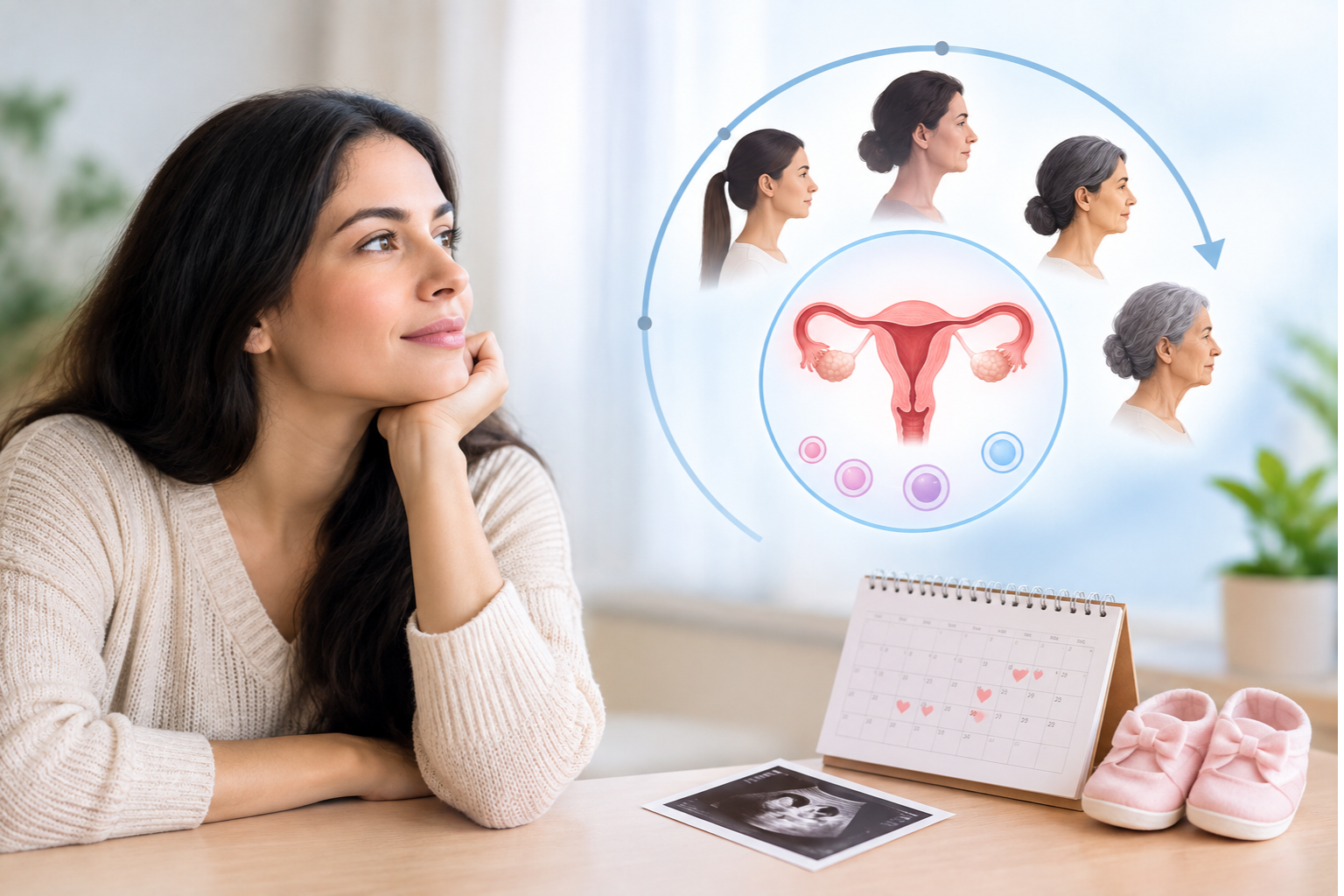
Women are born with all the eggs they'll ever have — there's no ongoing production the way there is with sperm. That finite supply declines in both quantity and quality over time, and this decline isn't linear. It's gradual through the 20s and early 30s, then accelerates, with the steepest changes typically occurring after the mid-to-late 30s.


What Changes in Your 20s

This is generally the period of highest natural fertility, with the best combination of egg quantity and quality. That said, "generally" isn't "universally" — conditions like PCOS, endometriosis, or other factors can affect fertility at any age, so being in your 20s doesn't guarantee an absence of fertility challenges. It's simply the age range where age itself is the least likely contributing factor.


What Changes Through Your Early-to-Mid 30s

Fertility begins a gradual decline during this period, more noticeable in the rate of natural conception per cycle than in an abrupt shift. Many women in this range still conceive without difficulty, though it may take somewhat longer on average compared to their 20s. Egg quality begins a more measurable decline in this window as well, which affects not just the chance of conceiving but also miscarriage rates, since chromosomal abnormalities in eggs become somewhat more common.


What Changes After 35

This is typically when the decline becomes steeper and more clinically significant. Both egg quantity (reflected in a typically lower AMH and antral follicle count compared to a decade earlier) and egg quality decline more noticeably. Miscarriage rates increase further, largely due to a higher rate of chromosomal abnormalities in eggs at this age. This is also the age range where many fertility specialists recommend not delaying evaluation if conception hasn't occurred within six months of trying, rather than the twelve-month guideline typically given to younger women.


What Changes After 40

The decline accelerates further in this decade, with natural conception rates dropping more significantly and miscarriage rates rising further still. This doesn't mean pregnancy after 40 is rare or unusual — many women do conceive naturally or with fertility treatment in their early 40s — but the odds per cycle, and per treatment attempt, are meaningfully lower than a decade earlier, which is why timelines and expectations are usually discussed more directly at this stage.


Why This Isn't the Same for Every Woman

Chronological age describes a general population trend, not an individual guarantee. Two women of the same age can have meaningfully different ovarian reserves — this is exactly why AMH testing and antral follicle counts exist, to give an individual picture rather than relying on age alone. Some women in their late 30s have a reserve more typical of someone younger; others have a reserve that's already notably reduced. Age is a strong general predictor, but it isn't a substitute for your own specific numbers.


What This Means for Planning, Practically

If you're not ready to try yet but thinking about timing, knowing your own ovarian reserve — through AMH testing and a fertility consultation — gives you real information rather than general anxiety, and can inform decisions like whether egg freezing is worth considering.

If you're actively trying to conceive, the general guideline is to seek evaluation after twelve months of trying if you're under 35, or after six months if you're 35 or older — not because trying naturally is wrong, but because earlier evaluation gives more time to address any findings while options remain broader.

If you're already past 35 or 40 and just starting to think about fertility treatment, the most useful first step isn't researching statistics further — it's an actual evaluation of your specific reserve and health, which will tell you far more about your real odds than a general age-based statistic can.


Why "Just Don't Wait" Isn't Always Realistic Advice

It's easy to say fertility declines with age and leave it there, but life circumstances — career, partnership timing, financial readiness — are real constraints that don't always align neatly with biological timelines. The more useful response to that tension isn't blanket urgency; it's getting specific information about your own situation early enough that you have real options, whether that's trying now, freezing eggs for later, or simply planning your timeline with clearer information than a general statistic provides.

Frequently Asked Questions

Tubal Recanalization: A Fertility-Sparing Option for Blocked Tubes

When a fallopian tube blockage is diagnosed, the conversation often jumps straight to IVF, and for many patients that's genuinely the right recommendation. But for a specific subset of blockages, there's a less-discussed option worth knowing about first: tubal recanalization, a procedure aimed at reopening the tube itself rather than bypassing it entirely.


What Tubal Recanalization Actually Is

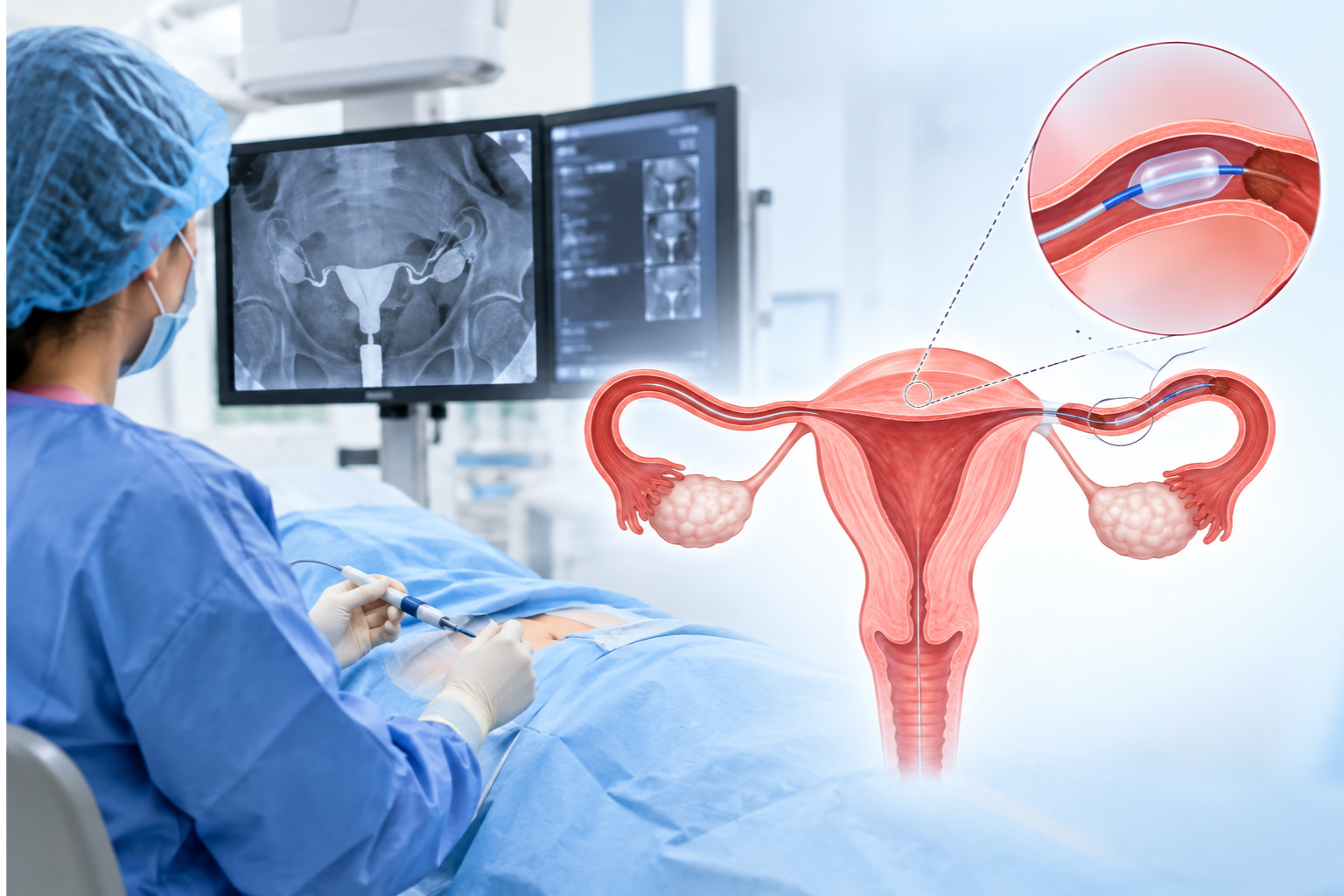
Tubal recanalization is a procedure that attempts to clear a blockage at the point where the fallopian tube connects to the uterus — the proximal portion of the tube, closest to the uterine cavity. Using a thin catheter guided through the cervix and uterus, often under X-ray or hysteroscopic guidance, the blockage at this specific junction is cleared, aiming to restore an open pathway through the tube.


Why This Only Works for a Specific Type of Blockage

This is the most important thing to understand before getting hopeful or dismissive about this option: tubal recanalization is specifically effective for proximal blockages — those at the junction near the uterus — and isn't a treatment for blockages further along the tube, near the ovarian end, or for a tube that's severely damaged, scarred, or converted into a hydrosalpinx (a fluid-filled, dilated tube). Diagnostic imaging, usually a hysterosalpingogram, needs to clearly identify the blockage as proximal before this procedure makes sense as an option at all.


Who Tends to Be a Good Candidate

Tubal recanalization is worth discussing specifically for:

  • Women with a confirmed proximal tubal blockage and otherwise reasonably normal fertility factors
  • Cases where the blockage appears to be due to mucus plugging, debris, or mild scarring rather than extensive structural damage
  • Patients who would prefer to attempt natural conception before or alongside considering IVF
  • Situations where the rest of the tube, beyond the blockage point, appears structurally normal on imaging


What It Doesn't Fix

It's worth being direct about the limitations. Tubal recanalization doesn't address damage to the far end of the tube, doesn't help with a hydrosalpinx, and doesn't restore function to a tube with extensive scarring beyond the immediate blockage point. It also doesn't address other fertility factors that might coexist with the blockage — ovulation issues, sperm quality, or uterine factors are separate considerations evaluated independently.


What the Procedure Involves

The procedure is typically done as an outpatient or day-care procedure, often without general anaesthesia, using imaging guidance to precisely locate and clear the blockage. Recovery is generally quick, with most patients resuming normal activity within a day or two.


What Happens After the Procedure

Success is generally assessed by confirming the tube is open, either immediately during the procedure or via follow-up imaging. Even when the tube is successfully reopened, this restores the possibility of natural conception — it doesn't guarantee pregnancy, since the tube being open is one necessary factor among several (ovulation, sperm quality, and uterine receptivity still all need to align). Pregnancy rates following successful recanalization vary depending on the underlying cause of the original blockage and other fertility factors present.


Why This Isn't Automatically Offered

Not every fertility centre routinely offers or discusses this procedure, partly because it applies to a narrower set of cases than blocked tubes in general, and partly because moving directly to IVF, which works regardless of tubal status, is a more universally applicable recommendation. That doesn't make it the wrong recommendation for a specific patient with a genuinely proximal, otherwise-uncomplicated blockage — it just means it's worth specifically asking about rather than assuming it's not relevant.


How to Know If It's Right for You

If you've been told you have a blocked fallopian tube, the useful next question is specifically where the blockage is located and what the rest of the tube looks like on imaging — not just that a blockage exists. That detail is what determines whether tubal recanalization is a genuine option worth pursuing before or alongside other fertility treatment, or whether it wouldn't meaningfully help in your specific case.

Frequently Asked Questions

DNA Fragmentation Testing: The Male Fertility Test Beyond a Basic Semen Analysis

A normal semen analysis is genuinely reassuring — good count, good motility, good morphology. But for couples who've had unexplained infertility, repeated IVF failures, or recurrent miscarriage despite a normal semen report, there's a real question worth asking: is a standard semen analysis actually checking everything that matters? For a specific subset of cases, the answer is no, and that's where DNA fragmentation testing comes in.


What DFI Actually Stands For and Measures

DFI stands for DNA Fragmentation Index — the percentage of sperm in a sample with damaged or fragmented genetic material. A standard semen analysis looks at count, movement, and shape under a microscope. It says nothing about the integrity of the DNA packed inside each sperm — and that DNA is exactly what needs to be intact for healthy fertilization and embryo development.


Why This Can Be Normal on a Semen Analysis and Still Matter

This is the part that surprises most couples: sperm can look entirely normal — swim well, appear well-shaped, present in good numbers — and still carry a high rate of DNA fragmentation. The two things aren't reliably linked. A sperm cell can complete fertilization successfully even with damaged DNA, which means the problem often doesn't show up as a failure to fertilize — it shows up later, as poor embryo development, implantation failure, or early pregnancy loss.


When This Test Is Actually Worth Doing

DFI testing isn't part of a routine first fertility evaluation — it's specifically useful in situations where something doesn't quite add up:

  • Unexplained infertility despite normal semen parameters and normal female fertility testing
  • Recurrent pregnancy loss, where standard testing hasn't found an explanation
  • Repeated IVF or ICSI failures with good embryo grading but poor development or failed implantation
  • Known risk factors for sperm DNA damage — significant varicocele, advanced paternal age, smoking, prolonged heat exposure, or certain occupational exposures


What Causes High DNA Fragmentation

Several factors are associated with elevated DFI, and identifying which ones apply matters because several are genuinely modifiable:

Oxidative stress is the most common underlying mechanism, often driven by lifestyle factors, infection, or varicocele (enlarged veins in the scrotum, one of the more treatable contributors).

Advanced paternal age is associated with a gradual increase in DNA fragmentation, similar in principle to how egg quality changes with maternal age, though the relationship is less steep.

Smoking and alcohol use are both linked to increased oxidative damage to sperm DNA.

Prolonged heat exposure — frequent sauna or hot tub use, tight clothing over long periods, or certain occupations involving heat — can contribute.

Untreated infections in the reproductive tract can elevate fragmentation levels until properly treated.


What Happens If DFI Comes Back High

A high result doesn't mean biological fatherhood isn't possible — it changes the approach rather than closing the door. Depending on the level and the couple's specific situation:

Lifestyle modification addressing smoking, heat exposure, and other identifiable factors can improve DFI over a few months, since sperm production is a continuous cycle of roughly 72–90 days, giving a realistic window for improvement.

Antioxidant therapy is sometimes recommended, based on the oxidative stress mechanism underlying much of DNA damage, though this is approached individually rather than as a universal fix.

Varicocele treatment, when present, can meaningfully improve DFI in a subset of men, since varicoceles are a well-documented, treatable contributor.

Sperm selection techniques during IVF/ICSI — specific laboratory methods for selecting sperm with better DNA integrity from a sample — are used in some cases to improve the odds of using healthier sperm for fertilization, when a couple is proceeding with assisted reproduction regardless.

Testicular sperm extraction, in select cases, is considered since sperm taken directly from the testicle sometimes shows lower fragmentation than ejaculated sperm, particularly relevant for specific clinical situations.


Why This Test Isn't Ordered for Everyone

DFI testing is a targeted test for a targeted situation, not a routine addition to every fertility workup. For couples with a clear cause for their infertility already identified, or with normal outcomes so far, it typically doesn't change management and isn't necessary. It earns its place specifically when the usual explanations don't add up.


Talking to Your Specialist About It

If you've had a normal semen analysis alongside unexplained infertility, repeated pregnancy loss, or IVF cycles that haven't gone as expected despite good-looking embryos, it's a reasonable, specific question to raise: is DNA fragmentation testing relevant for our situation? It's a targeted test, and knowing whether it applies to you is worth a direct conversation rather than assuming a normal semen report has already ruled everything out.

Frequently Asked Questions

Best Fertility Hospital in Hyderabad: What to Check Before You Choose

Search "best fertility hospital in Hyderabad" and every result reads roughly the same — advanced technology, high success rates, compassionate care. That sameness isn't an accident; it's just marketing language that every clinic reasonably uses. It doesn't actually help you tell one apart from another, so here's what does.


What Makes a Fertility Centre the Right Choice for You Specifically

The honest answer isn't a ranking — it's a set of specific, checkable things: how thoroughly they diagnose before recommending treatment, how transparently they discuss success rates for your specific situation, whether the same specialist sees you throughout your treatment, and what happens if your first attempt doesn't work. A centre that's strong on all of these is the right choice, regardless of how it markets itself.


Ask How Success Rates Are Actually Presented

This is one of the clearest signals. A clinic that quotes a single blended success percentage across every age and diagnosis is giving you a marketing number, not a useful one. A specialist who breaks it down — by your age, your specific diagnosis, your ovarian reserve — is giving you something that actually helps you understand your own odds. It's worth asking directly: given someone with my specific profile, what would you realistically expect?


Check Whether Diagnosis Comes Before Treatment, Not Alongside It

A thorough fertility evaluation takes real time — hormone panels, an antral follicle count, a semen analysis, and imaging where relevant — before a treatment plan is recommended. If a first visit moves straight from a brief history to a treatment recommendation without this groundwork, that's worth questioning. The right protocol depends entirely on what the diagnostics actually show, not on a standard starting package.


Continuity of Care Matters More Than It Sounds

Fertility treatment often unfolds over months, sometimes longer, with monitoring visits, adjustments, and follow-up conversations along the way. Being seen by the same specialist throughout — someone who knows your specific history without you re-explaining it each visit — makes a meaningful difference to both the quality of care and how manageable the process feels. Ask directly whether you'll see the same doctor consistently, or whichever specialist happens to be available that day.


Ask What Happens After an Unsuccessful Attempt

This question tells you more than almost anything else. Does the centre have a structured process for reviewing what happened and adjusting the plan, or does "let's just try again" become the default answer regardless of what the previous cycle showed? A centre genuinely equipped for complex or repeat cases will have a clear, specific answer to this.


Look for a Comprehensive Range of Services Under One Roof

Fertility care often involves more than a single treatment type — diagnostic testing, IUI, IVF, ICSI, egg or embryo freezing, and sometimes surgical procedures like hysteroscopy or laparoscopy. A centre offering the full range means fewer handoffs between separate providers and a plan that's coordinated by people who actually know your case, rather than pieced together across different clinics.


Verify Credentials Directly, Not Through Marketing Copy

"Expert fertility specialist" is a phrase, not a credential. Look for specific, verifiable qualifications — where the specialist trained, any specialized fellowships or diplomas in reproductive medicine specifically, and years of experience with complex cases, not just routine ones. A specialist confident in their training will list it specifically rather than relying on general reassurance language.


A Quick Checklist Before Your First Consultation

  • Does the clinic break down success rates by age and diagnosis, or only quote one blended number?
  • Will you see the same specialist consistently throughout treatment?
  • Is there a thorough diagnostic workup before a treatment plan is recommended?
  • Does the centre have a clear approach to reviewing and adjusting after an unsuccessful cycle?
  • Are the specialist's specific qualifications and experience with complex cases clearly stated?


Making the Decision

Choosing a fertility centre is genuinely different from choosing most other kinds of care — you're deciding who you want managing one of the more demanding, emotionally significant processes you may go through. A first consultation that answers these questions directly, with real diagnostic groundwork behind it, tells you far more than any homepage claim about being the best.

Frequently Asked Questions

IUI Cost in Hyderabad: What’s Actually Included

IUI is often described as the more affordable, less intensive fertility treatment compared to IVF — which is true, but "affordable" still covers a wide range depending on what's actually bundled into a given quote. If you're comparing numbers from different sources and finding them inconsistent, here's why, and what actually makes up the cost.


The Components That Make Up an IUI Cycle

Initial consultation and diagnostic workup. Before IUI is even recommended, a baseline evaluation is typically done — hormone levels, an ultrasound assessment of ovarian reserve and uterine health, and a semen analysis for the partner. This is often a separate cost from the procedure itself and, if done recently elsewhere, sometimes doesn't need repeating.

Ovulation monitoring. Whether you're doing a natural-cycle IUI or a medicated one, follicular monitoring via ultrasound is needed to time the procedure correctly. This usually involves a few visits and is either bundled into a package price or billed per visit.

Medication, if used. Natural-cycle IUI without stimulation medication is one of the lower-cost options. Medicated IUI, using oral or injectable medications to stimulate follicle development, adds a real cost that varies depending on the specific drugs and doses needed — and this is often the single most variable line item.

Sperm preparation (washing). The sample is processed in the lab to concentrate healthy, motile sperm before insemination — a standard, defined cost as part of the procedure.

The insemination procedure itself. This is typically a quick, in-office procedure, and its cost is usually the most consistent, predictable component.

Trigger injection, if used. In medicated cycles, a trigger injection is often given to time ovulation precisely before insemination — an additional, generally modest cost.


Why "IUI Cost" Quotes Can Look So Different

A quote for a natural-cycle IUI with no stimulation medication will understandably look much lower than a quote for a medicated cycle with injectable stimulation and closer monitoring — and both are legitimately called "IUI." Before comparing prices between sources, it's worth confirming which version each number is actually describing.


What Determines Which Type of IUI Is Recommended

This isn't a cost decision alone — it's a clinical one. Natural-cycle IUI may be recommended for younger patients with regular ovulation and no significant fertility factors beyond, for instance, mild male-factor issues. Medicated IUI is more often recommended when ovulation is irregular, when a slight boost in the number of eggs available improves the odds meaningfully, or after an unsuccessful natural-cycle attempt.


How Many Cycles to Budget For

This is worth planning for honestly rather than hoping for success on the first attempt. IUI success rates per cycle are generally moderate rather than high, and many specialists recommend planning for three to four cycles before reassessing whether to continue with IUI or move toward IVF — which matters for total cost planning, not just the per-cycle number.


Questions Worth Asking for an Accurate Quote

  1. Is this quote for a natural-cycle or medicated IUI? 2. Does it include the monitoring visits, or are those billed separately as they happen? 3. If medication is needed, is that included, or is it a separate pharmacy cost? 4. What happens to the cost if the cycle needs to be cancelled partway through due to poor response? 5. Is there a package rate for multiple cycles, and does it make sense given my specific situation?


What This Looks Like in Practice

At Dr. Durga Vytla's practice, IUI planning starts with the diagnostic workup — not a flat quote before knowing whether natural-cycle or medicated IUI actually fits your situation. Cost conversations are broken down by component so you know exactly what you're paying for and why, rather than a bundled number that leaves out what happens if the plan needs to adjust mid-cycle.

Frequently Asked Questions

Blocked Fallopian Tubes: Symptoms and What It Means for Getting Pregnant

One of the more frustrating things about blocked fallopian tubes is that, for most women, there's nothing to notice — no pain, no signal, nothing that would prompt a visit to a doctor on its own. It's usually discovered specifically because someone has been trying to conceive without success, which makes the diagnosis feel sudden even though the blockage itself may have been there for years.


Do Blocked Tubes Actually Cause Symptoms?

For most women, no — blocked fallopian tubes are frequently entirely silent. This is part of why they're one of the more commonly missed causes of infertility until a proper workup is done. When symptoms do occur, they're usually related to the underlying cause of the blockage rather than the blockage itself:

  • Chronic or recurring pelvic pain, particularly if the cause is a past pelvic infection
  • Pain during intercourse, in some cases
  • A history of unusually painful periods, if endometriosis is the underlying cause
  • In cases of hydrosalpinx (a fluid-filled, blocked tube), occasionally a dull, persistent pelvic discomfort, though many hydrosalpinges are also silent

The absence of symptoms doesn't mean the blockage isn't significant — it just means you generally can't rely on your body to tell you.


What Actually Causes Blocked Fallopian Tubes

Pelvic inflammatory disease (PID), often resulting from untreated or delayed-treated sexually transmitted infections, is one of the most common causes, since the resulting scarring and inflammation can damage and block the tubes.

Endometriosis can cause blockages through scar tissue and adhesions forming around the tubes.

Previous pelvic or abdominal surgery, including for appendicitis or ovarian cysts, can occasionally result in scar tissue that affects the tubes.

Hydrosalpinx, a specific condition where a tube becomes blocked and fills with fluid, often as a result of prior infection, is particularly relevant for fertility since the fluid itself can be toxic to embryos if it leaks into the uterine cavity.


How Blocked Tubes Are Actually Diagnosed

Since blocked tubes rarely announce themselves through symptoms, diagnosis typically comes through a specific test — most commonly a hysterosalpingogram (HSG), an X-ray procedure where dye is passed through the uterus and tubes to check for blockages, or in some cases a laparoscopy, which allows direct visual assessment and can address certain issues in the same procedure.


What a Blockage Actually Means for Getting Pregnant

This depends heavily on which tubes are affected and how:

One tube blocked, one open. Natural conception is still possible, since the open tube can still allow an egg to be fertilized, though the odds per cycle may be somewhat reduced compared to having both tubes functional.

Both tubes blocked. Natural conception becomes essentially impossible, since sperm and egg have no pathway to meet — but this is precisely the scenario IVF was originally developed to address, entirely bypassing the tubes by fertilizing the egg outside the body and transferring the resulting embryo directly into the uterus.

Hydrosalpinx specifically. Because the fluid can be harmful to an embryo, a hydrosalpinx is often recommended for surgical treatment — either removal or blocking off the affected tube — before proceeding with IVF, since leaving it untreated can meaningfully reduce IVF success rates even though the tube itself isn't needed for the IVF process.


Treatment Options Beyond IVF

For some blockages, particularly those caused by mild scar tissue rather than extensive damage, tubal surgery to open or repair the tube is an option, and for a subset of patients this can restore natural fertility. Whether this is worth attempting instead of proceeding directly to IVF depends on the location and extent of the blockage, age, and how long conception has been attempted — a conversation worth having specifically rather than assuming either path is automatically right.


Why This Diagnosis Isn't the End of the Story

Learning that your tubes are blocked can feel like a definitive, discouraging answer, but in the context of modern fertility treatment, it's actually one of the more directly addressable causes of infertility. IVF exists specifically because tubal factor infertility is common, and outcomes for patients with blocked tubes and otherwise normal fertility factors are often quite favorable.

Frequently Asked Questions

Chocolate Cysts and Fertility: What Endometriomas Mean for Your Egg Reserve

A "chocolate cyst" is a strange, oddly casual name for something that can carry a lot of worry once you're told you have one — especially if fertility is on your mind. The name comes from its appearance, not its severity, so let's set that aside and talk about what it actually is and what it means for your reproductive plans.


What a Chocolate Cyst Actually Is

A chocolate cyst, medically called an endometrioma, forms when endometriosis tissue — tissue similar to the uterine lining — grows on or within an ovary and accumulates old, degraded blood over repeated menstrual cycles, giving it a thick, dark brown appearance on imaging and, if drained, in appearance. It's a specific manifestation of endometriosis rather than a separate condition.


Common Symptoms, Though Not Everyone Has Them

Some chocolate cysts are found incidentally during a routine ultrasound, with no symptoms at all. When symptoms do occur, they typically include pelvic pain, particularly around menstruation, pain during intercourse, and in some cases irregular bleeding. The size and symptom severity don't always correlate — a small cyst can be quite painful, while a larger one is sometimes found by chance during unrelated imaging.


Why This Specifically Affects Fertility

This is the part that matters most if you're trying to conceive, and it works through a few distinct mechanisms:

Direct damage to ovarian tissue. A chocolate cyst sits within the ovary, and its presence — along with the inflammation it causes — can damage the surrounding healthy ovarian tissue that contains developing eggs, reducing the ovary's functional reserve over time.

Surgical removal carries its own trade-off. Removing a chocolate cyst surgically can relieve pain and remove diseased tissue, but the surgery itself, by necessity, also removes some healthy ovarian tissue along with it — meaning surgery can further reduce ovarian reserve, particularly with larger cysts, bilateral cysts, or repeat surgeries. This is a genuine trade-off, not a straightforward "just remove it" decision.

Inflammatory effects beyond the cyst itself. Endometriosis more broadly, including chocolate cysts, is associated with an inflammatory pelvic environment that can affect egg quality and even embryo implantation, independent of the physical presence of the cyst.


How This Changes the Fertility Conversation

Because of the surgery trade-off above, the decision to operate on a chocolate cyst when fertility is a priority isn't automatic. Considerations include:

  • The cyst's size — smaller cysts are sometimes monitored rather than immediately operated on, particularly if not causing significant symptoms
  • Whether the cyst is affecting egg retrieval planning — a large cyst can sometimes make egg collection during IVF technically more difficult, which occasionally tips the decision toward removal first
  • Current ovarian reserve, checked via AMH and antral follicle count — a reserve that's already reduced makes the surgical trade-off a more careful calculation
  • Whether pain is significant enough to need treatment regardless of the fertility trade-off


When Surgery Is Recommended, and When It's Not

For chocolate cysts causing significant pain, growing over time, or making egg retrieval planning difficult, surgical removal is often still the right call, performed with techniques aimed at preserving as much healthy ovarian tissue as possible. For smaller, asymptomatic cysts, particularly in someone with reduced ovarian reserve who's actively planning IVF, sometimes the better path is proceeding directly to fertility treatment without surgery first, preserving the reserve that remains rather than risking further reduction from an operation.


What Fertility Treatment Looks Like With a Chocolate Cyst

For patients proceeding to IVF with a chocolate cyst still present, retrieval is planned carefully around the cyst's location, and in some cases the stimulation protocol is adjusted knowing that ovarian response may be somewhat reduced on the affected side. This isn't a reason IVF won't work — it's a reason the plan is built specifically around the individual anatomy and reserve rather than a standard approach.


Making the Right Call for Your Situation

There isn't a single right answer for every chocolate cyst — the decision genuinely depends on size, symptoms, current reserve, and how close you are to actively trying to conceive. What matters is that the decision gets made with a full picture in front of you, including an honest look at your AMH and antral follicle count, rather than a reflexive "remove it" or "leave it" without weighing the fertility trade-off specifically.

Frequently Asked Questions

Follicular Study Explained: Why It’s Done and What the Results Mean

If you've been told you need a "follicular study" and you're picturing something complicated or invasive, the reality is much simpler than the name suggests — and much more useful than most patients realize going in. It's one of the most common tests in fertility evaluation, and understanding what it's actually tracking makes the whole process feel far less like a mystery.


What a Follicular Study Actually Is

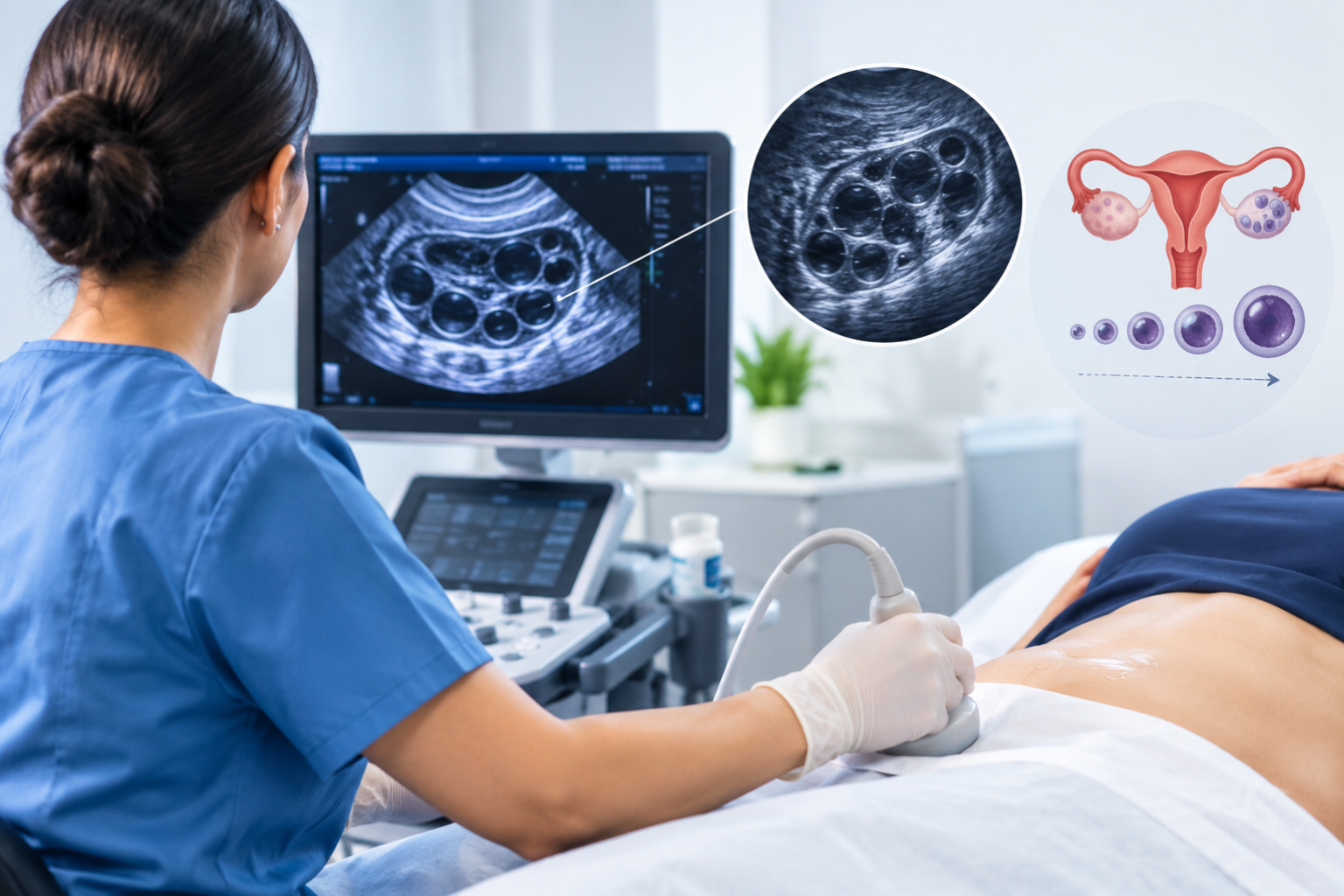
A follicular study is a series of transvaginal ultrasound scans done over several days during your menstrual cycle, tracking the growth of the follicles in your ovaries — the small fluid-filled sacs that each contain a developing egg. Rather than a single snapshot, it's a short story told over a handful of visits, watching how a follicle grows day by day until it either releases an egg (ovulation) or doesn't.


Why It's Done Over Multiple Visits, Not Just Once

A single ultrasound can tell you how things look at that moment, but ovulation is a process, not an event you can catch on a random day. A typical follicular study involves scans starting a few days before the expected ovulation window, repeated every one to three days, tracking:

  • How many follicles are developing
  • How quickly the leading follicle is growing (a normal rate is roughly 1–2mm per day as it approaches maturity)
  • The thickness and pattern of the uterine lining, which needs to reach a suitable thickness to support implantation
  • Confirmation of whether and when ovulation actually occurred


Who Typically Needs One

A follicular study is commonly recommended for women with irregular cycles where the ovulation window isn't predictable from cycle timing alone, for confirming whether ovulation is happening at all, for timing IUI precisely around ovulation, and for monitoring the ovarian response during a stimulated cycle (whether with oral medication, injectables, or as part of IVF).


What the Results Actually Tell You

A follicle that grows steadily and reaches a mature size (typically around 18–24mm) before disappearing on a later scan generally indicates ovulation has occurred — the follicle released its egg.

A follicle that grows but doesn't disappear, instead persisting or turning into a cyst-like structure, may indicate the egg wasn't released despite the follicle developing — a pattern sometimes called a "trapped" or unruptured follicle, and it's exactly the kind of thing that would go unnoticed without this kind of tracking.

Multiple follicles developing simultaneously is expected and often desirable during a stimulated cycle for IUI or IVF, since it means more chances at retrieving a viable egg, but is monitored carefully to avoid overstimulation.

A thin or poorly developing uterine lining alongside good follicle growth flags a separate issue worth addressing — a mature egg with nowhere receptive to implant doesn't lead to pregnancy, which is why the lining is tracked just as closely as the follicle itself.


What Happens With the Findings

The findings from a follicular study directly shape what happens next. For a natural cycle being monitored for timing, ovulation confirmation tells you and your doctor the best window for intercourse or IUI. For a stimulated cycle, the growth pattern determines exactly when a trigger injection is given to finalize egg maturation before IUI or egg retrieval — timing that, done even a day off, can meaningfully affect the outcome. For someone whose scans repeatedly show follicles that don't release eggs, this becomes useful diagnostic information pointing toward ovulation dysfunction that needs its own treatment approach.


What to Expect During the Visits Themselves

Each visit is a routine transvaginal ultrasound, generally quick and not particularly uncomfortable, though scheduling can feel demanding since visits are often needed every one to two days during a specific window — which is worth planning around rather than being caught off guard by. Most clinics try to time the visits as precisely as possible to minimize the total number needed while still capturing the growth pattern accurately.


Why This Test Matters More Than Its Simplicity Suggests

It's easy to underestimate a test that's "just an ultrasound," but a follicular study answers questions that no single blood test or one-time scan can: not just whether ovulation happens, but when, how reliably, and what the uterine environment looks like at the same time. For couples trying to conceive naturally, undergoing IUI, or going through IVF, this timing information is often the difference between a well-timed attempt and a mistimed one.

Frequently Asked Questions

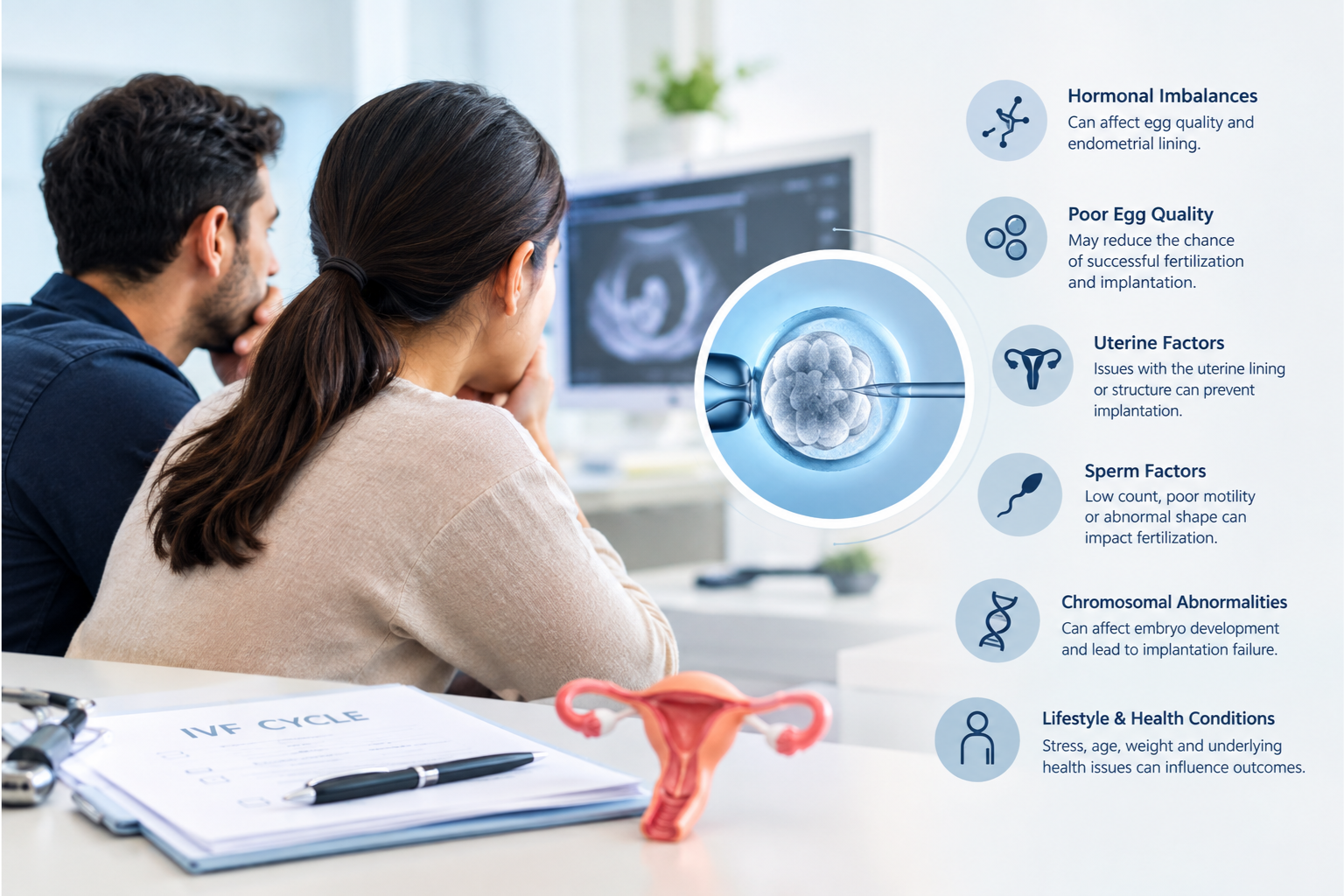
Why IVF Cycles Fail: Real Reasons Beyond “Bad Luck”

"It just didn't work this time" is one of the least satisfying sentences in medicine, and it's the one a lot of patients hear after a failed IVF cycle. It's not wrong, exactly — IVF genuinely isn't guaranteed, even under ideal conditions — but it's incomplete. Most failed cycles have identifiable contributing factors, and understanding them is the difference between trying again with the same plan and trying again with a better one.


Embryo-Related Reasons

Chromosomal abnormalities. This is the single largest contributor to IVF failure, particularly as age increases. An embryo can look perfectly graded under the microscope and still carry a chromosomal abnormality incompatible with a successful pregnancy — something visual grading alone can't detect. This is exactly why PGT (preimplantation genetic testing) has become a meaningful tool for certain patients, particularly after a previous failed cycle or at older maternal age.

Poor embryo development. Not every fertilized egg develops into a transferable embryo. Development can stall at various stages for reasons related to egg quality, sperm quality, or lab culture conditions — and reviewing exactly where development stalled in a previous cycle can point toward which factor needs the most attention next time.


Implantation-Related Reasons

Uterine factors. Polyps, fibroids, scar tissue, or a thin endometrial lining can all interfere with an otherwise good embryo implanting successfully. Many of these are identifiable on ultrasound or hysteroscopy and are treatable before the next attempt — which is why a uterine cavity assessment is a standard part of reviewing a failed cycle.

Endometrial receptivity timing. Occasionally, the issue isn't the embryo or the uterus individually, but the timing between them — the embryo transferred outside the specific window when the uterine lining is genuinely receptive. This is a more specialized area of investigation, relevant particularly after repeated unexplained failures with good-quality embryos.

Immunological and clotting factors. In select cases, particularly after multiple unexplained failures, underlying immune or clotting factors are investigated, since they can occasionally interfere with implantation. This isn't a first-line explanation for every failed cycle, but it's part of a thorough workup after repeated failures with no other clear cause.


Factors Related to the Stimulation Cycle Itself

Ovarian response. Whether the ovaries respond as expected to stimulation medication affects both the number and quality of eggs retrieved. A poor response — fewer eggs than anticipated — sometimes calls for a different protocol next time rather than simply repeating the same approach.

Protocol mismatch. Not every stimulation protocol suits every patient, and part of reviewing a failed cycle is asking honestly whether the specific medications and doses used were well-matched to that patient's ovarian reserve and prior response, or whether a different approach is worth trying.


Lifestyle and Health Factors

Underlying undiagnosed conditions. Thyroid dysfunction, elevated prolactin, undiagnosed endometriosis, or untreated infections can all affect IVF outcomes and sometimes go unaddressed if a full workup wasn't done before the first cycle.

Sperm quality on the day. Sperm parameters can vary between samples, and a suboptimal sample on the day of egg collection — even in a partner with generally normal fertility — can affect fertilization rates in ways that a single semen analysis months earlier wouldn't have predicted.


What a Proper Review After a Failed Cycle Actually Involves

A thorough post-failure review isn't a single conversation that ends in "let's just try again." It typically includes:

  • A detailed look at exactly how the previous cycle progressed — egg numbers, fertilization rates, embryo development, and grading at each stage
  • A uterine cavity assessment if one wasn't recently done
  • A review of whether the stimulation protocol matched the patient's ovarian reserve and response
  • Consideration of additional testing — genetic, immunological, or receptivity-related — when repeated failures have occurred without a clear explanation
  • An honest conversation about whether the next attempt should look different, and specifically how


Why "Just Try Again" Is Sometimes the Right Answer, and Sometimes Isn't

To be clear, not every failed cycle points to a fixable problem — sometimes a good-quality embryo simply doesn't implant, and a repeat attempt with the same approach is entirely reasonable. The goal of a proper review isn't to find a problem where none exists; it's to make sure that if something identifiable did contribute to the failure, it gets addressed rather than repeated silently.


Moving Forward After a Failed Cycle

A failed IVF cycle is disorienting, and it's fair to want more than "let's try again" as an answer. A specialist reviewing your specific cycle — the numbers, the timing, the findings — can usually tell you whether there's something concrete to adjust, or whether the plan genuinely was sound and deserves another attempt. Either answer is more useful than no answer at all.

Frequently Asked Questions

What Low AMH Actually Means for Your Fertility Treatment Options

There's a particular kind of worry that comes with opening a lab report, seeing "AMH: 0.8," and having no idea whether that number is fine, concerning, or somewhere in between. Search it, and you'll find enough conflicting information to make the worry worse rather than better. So let's slow down and go through what a low AMH result actually tells you — and, just as importantly, what it doesn't.


What AMH Actually Measures

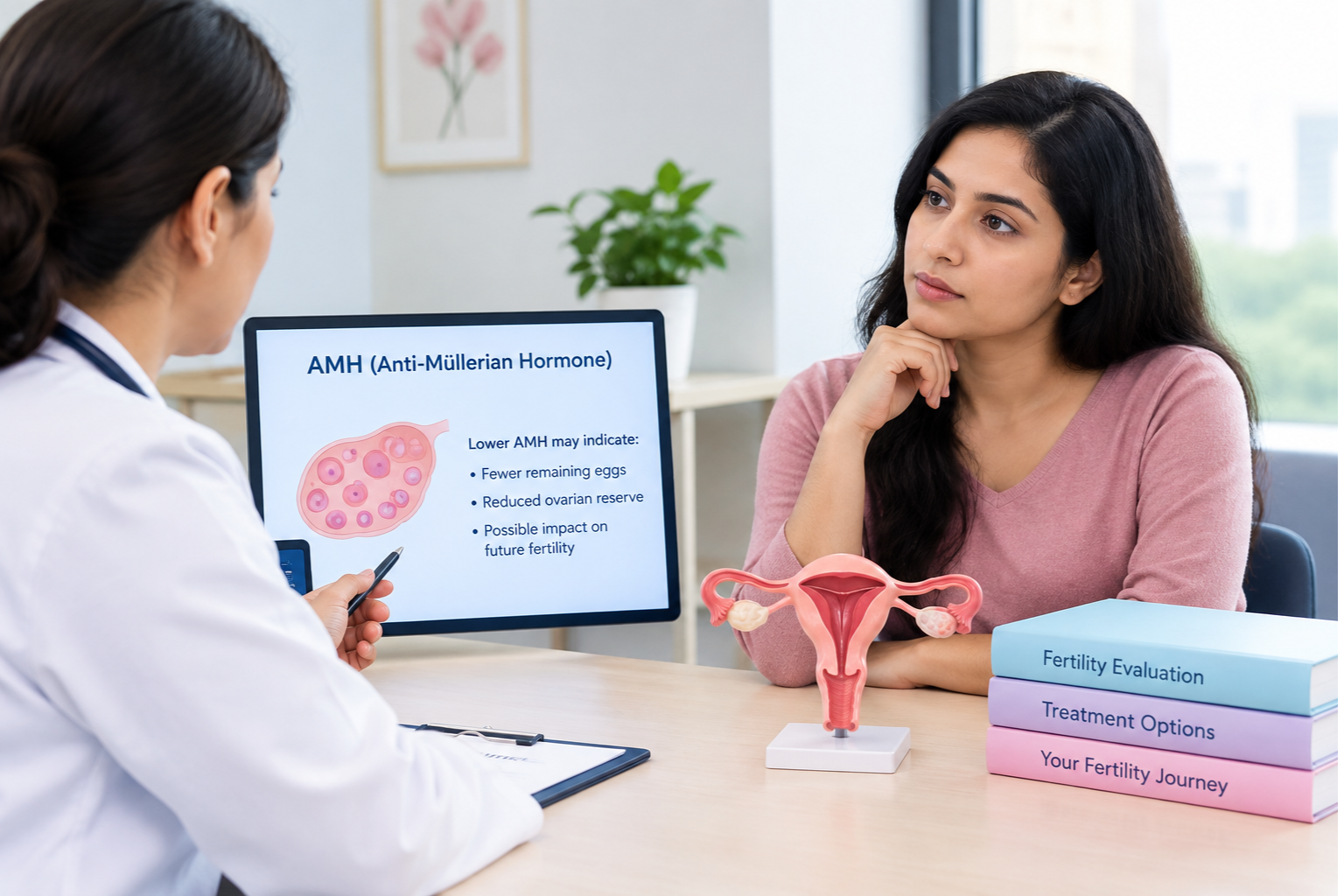
Anti-Müllerian Hormone is produced by the small follicles in your ovaries, and its level in your blood gives a reasonable estimate of your ovarian reserve — roughly how many eggs you have left, not their quality, and not your chance of conceiving this specific month. It's a quantity marker, not a quality marker, and that distinction matters more than most explanations give it credit for.


Can You Have Low AMH and Still Have Regular Periods?

Yes, and this is one of the most common points of confusion. AMH reflects your remaining egg supply, while your menstrual cycle reflects whether ovulation is happening on a predictable hormonal rhythm. These are related but separate systems. It's entirely possible to have low AMH — meaning a smaller-than-typical remaining egg reserve — while still ovulating regularly every month. Regular periods are reassuring about your hormonal cycle; they aren't a substitute for knowing your reserve.


What Symptoms, If Any, Come With Low AMH

Low AMH itself usually doesn't cause noticeable symptoms — there's no ache, no visible sign, nothing you'd feel day to day. This is exactly why it tends to surface unexpectedly, often during a routine fertility workup or when someone comes in specifically to check their reserve before deciding on egg freezing or planning a pregnancy timeline. In some cases, low AMH accompanies other symptoms of declining ovarian function — a shortening menstrual cycle, for instance — but many women with low AMH have no other sign at all.


What a Low Number Doesn't Mean

A low AMH result doesn't mean you can't get pregnant. It doesn't mean IVF won't work. It doesn't tell you anything directly about egg quality, which is arguably the more important factor for conception. What it does mean is that your ovaries may respond to fertility medications with fewer eggs retrieved per cycle than someone with a higher reserve — which changes the treatment approach, not the possibility of success.


What Actually Changes Once AMH Is Known to Be Low

Timeline conversations become more direct. If you're not actively trying to conceive yet but know your reserve is lower than typical for your age, this is useful information for deciding whether to try sooner, consider egg freezing, or simply be aware that the window may be narrower than average.

Stimulation protocols get adjusted. For IVF, a lower reserve often calls for a different medication approach than a standard protocol — sometimes higher doses, sometimes a different drug combination entirely, aimed at getting the best possible response from the eggs that are there rather than assuming a large pool to work with.

Expectations around egg numbers shift, not expectations around pregnancy. A cycle might retrieve fewer eggs. That doesn't proportionally reduce the chance of a healthy pregnancy the way it might seem to on the surface — it takes one good egg, and quality doesn't move in lockstep with quantity.

Additional options enter the conversation earlier. For some patients with significantly reduced reserve, particularly at older ages, donor egg options are discussed sooner rather than as a last resort — not because IVF with your own eggs won't be tried, but because having every option on the table from the start makes for better decision-making under less time pressure.


Why the "Normal Range" Question Is Harder Than It Looks

AMH ranges are usually presented as a single scale, but what counts as low is genuinely age-dependent — a level that would be unremarkable at 40 is a different story at 28. This is exactly why a number pulled from a generic online AMH chart, without your age and clinical picture attached, can create either false alarm or false reassurance. Interpreting AMH properly means reading it alongside your age, antral follicle count on ultrasound, and your actual fertility goals.


What to Do With a Low AMH Result

If you've just received a low AMH result, the most useful next step isn't researching worst-case scenarios — it's a conversation with a fertility specialist who will look at the number in context: your age, your cycle history, an antral follicle count, and what you're actually trying to achieve, whether that's conceiving now, planning for later, or simply understanding where you stand. Low AMH is information, not a verdict, and how it changes your plan depends entirely on the fuller picture around it.

Frequently Asked Questions