Visit our Location
Continental Fertility Center,Financial District, Gachibowli
Opening Hours
Monday - Saturday: 9:00 AM - 4:00 PM

Male Infertility: Why a Semen Analysis Should Be Your First Step — Not Your Last

In India, fertility investigation is almost always started with the woman. Blood tests, scans, hormone panels — the woman goes through test after test while the man waits. This is one of the most common and costly mistakes in fertility care. The reality is that male factor infertility contributes to approximately 40 to 50 percent of all infertility cases — and a semen analysis costs a fraction of what a single IVF cycle costs.

Dr. Durga Vytla, a fertility specialist in Gachibowli, Hyderabad, makes semen analysis a mandatory first step in every couple's fertility workup — without exception. This guide explains what a semen analysis measures, what the results mean, and what options are available when the numbers are not normal.


What Is a Semen Analysis?

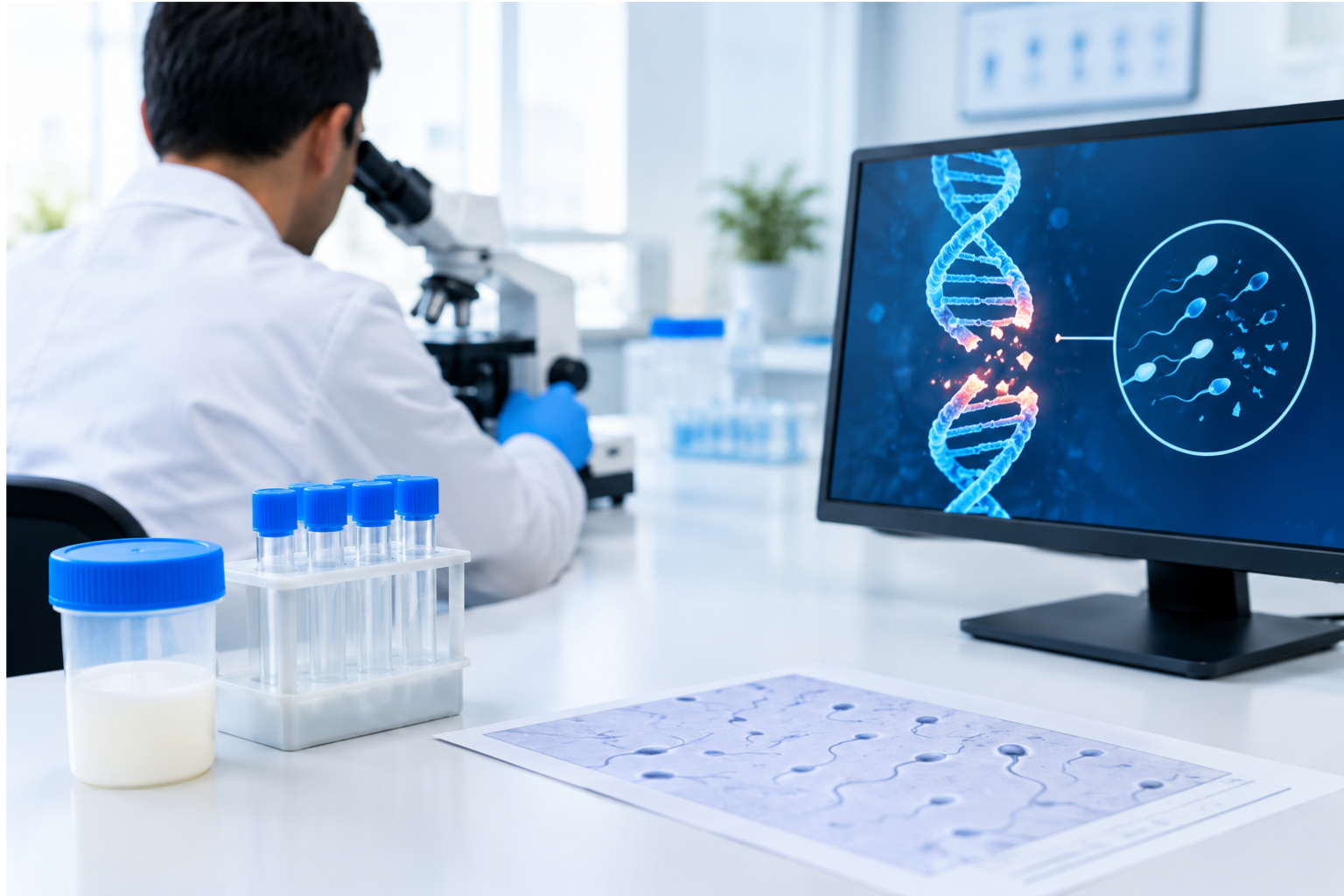
A semen analysis — also called a seminogram or sperm test — is a laboratory examination of a sperm sample. The sample is produced by masturbation after 2 to 5 days of sexual abstinence and is analysed within 1 hour of collection. The test evaluates multiple parameters of sperm health simultaneously.

It is non-invasive, relatively affordable (typically somewhere around Rs. 400 to Rs. 1,800 in Hyderabad), and provides an enormous amount of diagnostic information in a single test. There is no medical reason to delay doing a semen analysis — yet it is routinely deprioritised in fertility workups across India.


What Does a Semen Analysis Measure? — The 4 Key Parameters

1. Sperm Count (Concentration)

The normal threshold per WHO 2021 reference values is 16 million sperm per millilitre of semen. A count below this is called oligospermia (low sperm count). A count of zero sperm is called azoospermia — which requires further investigation to determine whether the cause is a production failure (non-obstructive) or a blockage preventing sperm from being released (obstructive).

2. Sperm Motility

Motility refers to the ability of sperm to move. WHO guidelines specify that at least 42 percent of all sperm should show some form of movement, and at least 30 percent should show progressive motility — meaning they are moving in a reasonably straight, forward direction toward the egg. Sperm that are not moving, or that move in circles or erratically, cannot fertilise an egg.

3. Sperm Morphology

Morphology refers to the shape and structure of individual sperm. This is assessed under high magnification using Kruger Strict Criteria. The threshold that causes concern is when fewer than 4 percent of sperm are normally shaped. At first glance, 4 percent sounds extremely low — but this is the established clinical standard. Abnormal shapes include large or small heads, double heads, coiled tails, or midpiece defects. Abnormal morphology reduces the sperm's ability to penetrate the egg.

4. Semen Volume

The total volume of the ejaculate should ideally be between 1.4 and 1.7 millilitres or more. A very low volume (less than 1.0 mL) may suggest retrograde ejaculation (where semen goes backward into the bladder), blockage of the ejaculatory ducts, or hormonal issues. A very high volume can dilute sperm concentration.


Other Important Parameters

  •       Liquefaction time: Semen should liquefy within 60 minutes of ejaculation. Failure to liquefy can trap sperm and reduce motility.
  •       pH: Normal semen is slightly alkaline (pH 7.2 to 8.0). Acidic semen can indicate blockage or infection.
  •       White blood cells: Elevated WBCs in semen suggest infection or inflammation, which can impair sperm function.
  •       Sperm vitality: The percentage of live sperm, regardless of motility. Even immotile sperm may be alive — relevant for ICSI.


What Causes Abnormal Semen Parameters?

Male infertility can arise from a wide range of causes — hormonal, structural, lifestyle-related, or genetic:

  •       Varicocele: Varicose veins in the testes that raise temperature and impair sperm production — the most common treatable cause of male infertility
  •       Hormonal imbalance: Low testosterone, high FSH, or elevated prolactin affecting sperm production
  •       Obstruction: Blocked vas deferens or ejaculatory ducts preventing sperm from being released
  •       Genetic factors: Y chromosome microdeletions or Klinefelter syndrome affecting sperm production
  •       Infection: Sexually transmitted infections or prostatitis affecting sperm quality
  •       Lifestyle: Smoking, alcohol, anabolic steroids, heat exposure (laptops on lap, hot baths), obesity
  •       Medications and toxins: Certain medications and environmental exposures that impair sperm production


When Is ICSI Recommended for Male Infertility?

When semen parameters are significantly below normal, IVF with ICSI (Intracytoplasmic Sperm Injection) becomes the most effective assisted conception option. In ICSI, a single sperm is selected under high magnification and injected directly into a mature egg — bypassing the need for the sperm to penetrate the egg independently.

ICSI is recommended by Dr. Durga Vytla in Gachibowli for:

  •       Severe oligospermia (very low count)
  •       Severe asthenospermia (very poor motility)
  •       Severe teratospermia (very poor morphology)
  •       Surgically retrieved sperm (from TESA or PESA procedures for obstructive azoospermia)
  •       Previously failed fertilisation with conventional IVF
  •       Sperm DNA fragmentation above the clinical threshold


What Is Sperm DNA Fragmentation?

Beyond the standard semen analysis, Sperm DNA Fragmentation (DFI) testing is increasingly recommended in cases of recurrent IVF failure, repeated miscarriage, or unexplained infertility despite normal basic semen parameters. DNA fragmentation measures the percentage of sperm with damaged genetic material in their DNA strand.

High DNA fragmentation — typically above 25 to 30 percent — can impair fertilisation rates, embryo development, and implantation success even when standard semen parameters look normal. If standard tests are normal but fertility treatment is not working, DNA fragmentation testing is an important next step.


Can Semen Parameters Be Improved?

In many cases, yes — particularly when the cause is lifestyle-related or hormonal. Sperm takes approximately 90 days to fully mature (spermatogenesis), which means that changes made today will take about 3 months to reflect in a new semen analysis. Improvements that have evidence behind them include:

  •       Stopping smoking: Smoking is directly linked to reduced count, motility, and increased DNA fragmentation
  •       Reducing alcohol: Heavy alcohol consumption suppresses testosterone and impairs sperm production
  •       Maintaining healthy weight: Obesity increases oestrogen levels and reduces testosterone
  •       Reducing heat exposure: Avoiding hot baths, saunas, and keeping laptops off the lap
  •       Antioxidant supplementation: Vitamin C, Vitamin E, zinc, selenium, and CoQ10 have evidence for improving sperm quality in men with oxidative stress-related infertility
  •       Treating the underlying cause: Varicocele repair, antibiotic treatment for infection, or hormonal correction can produce significant improvements


Book a Consultation

If you and your partner are trying to conceive, do not wait to test only the woman. Book a couple's fertility evaluation with Dr. Durga Vytla in Gachibowli, Hyderabad — where both partners are investigated together from the very first visit.

Frequently Asked Questions

Ovarian Reserve Explained: What It Is, How It Is Measured, and Why It Matters for Your Fertility

If you have visited a fertility specialist recently and been told you need an AMH test, you may have wondered what that number actually means — and whether a low result means you cannot have children. Dr. Durga Vytla, a fertility and IVF specialist based in Gachibowli, Hyderabad, explains ovarian reserve in plain language so you can make informed decisions about your fertility journey.


What Is Ovarian Reserve?

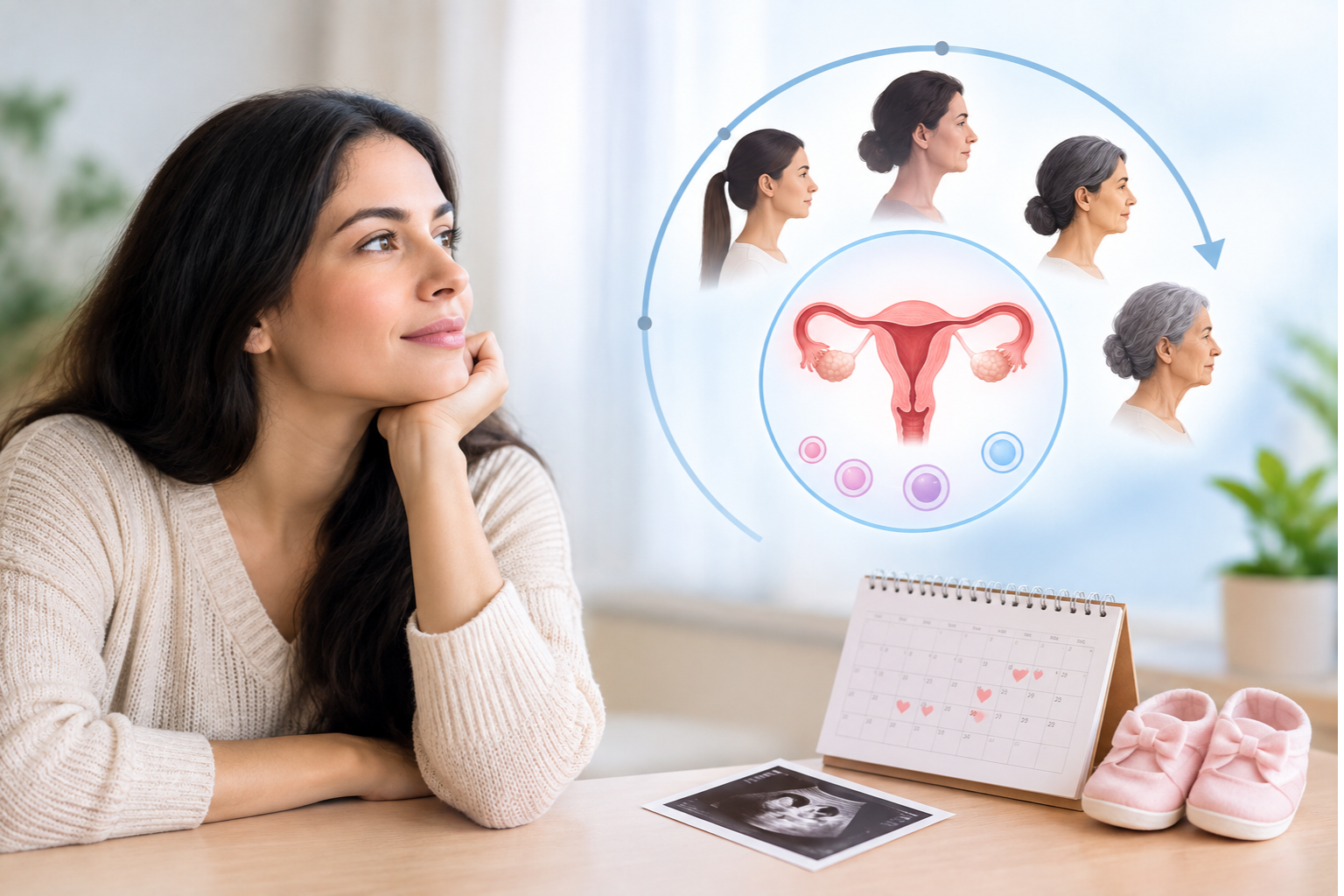
Ovarian reserve refers to the quantity and quality of eggs remaining in your ovaries at any given time. Every woman is born with a fixed number of eggs — somewhere between one and two million — and that number declines throughout life. By puberty, this falls to approximately 300,000 to 500,000. By the time a woman reaches her late 30s, the number has fallen significantly further, and the rate of decline accelerates.

Unlike men, who continuously produce new sperm, women cannot generate new eggs. The eggs you have at any point in your life are the ones you were born with — and each month, a cohort of eggs is recruited, one matures and is released at ovulation, and the rest are lost. This is why time matters in fertility, and why ovarian reserve testing is such a valuable tool.


How Is Ovarian Reserve Measured?

1. AMH — Anti-Mullerian Hormone

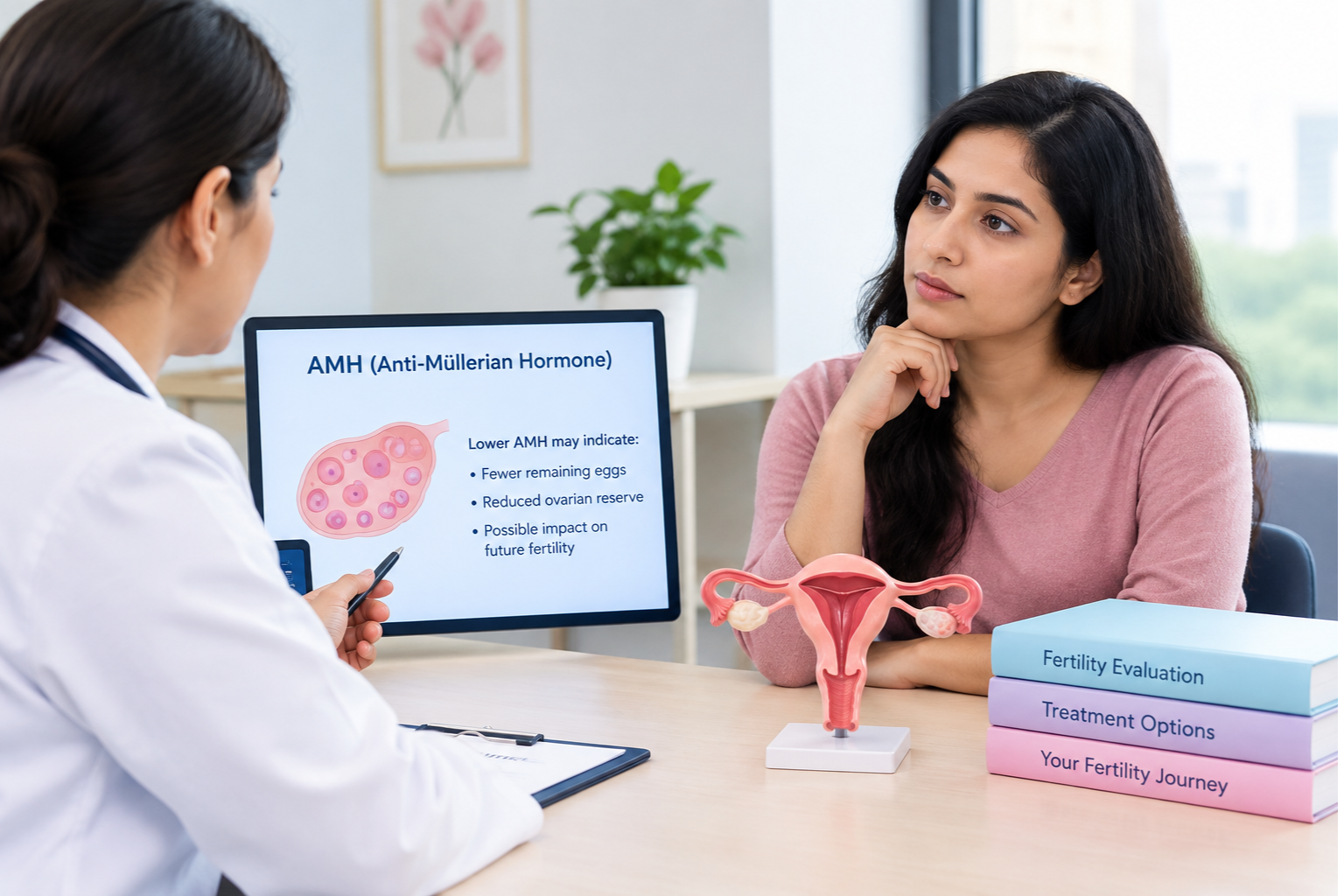
AMH is produced by the small follicles in the ovaries, and its level in the blood gives a direct reflection of the number of remaining follicles — and therefore the approximate egg count. The key advantages of AMH as a test are:

  •       It can be done on any day of the menstrual cycle — no need to wait for a specific cycle day
  •       It is a blood test — quick, simple, and minimally invasive
  •       It does not fluctuate significantly from cycle to cycle, making it a reliable snapshot

AMH levels decline with age, but they also vary between women of the same age. This is why two women who are both 32 years old may have very different fertility outlooks — one with an AMH of 3.5 ng/mL and another with an AMH of 0.8 ng/mL are in very different clinical situations.

2. Antral Follicle Count (AFC)

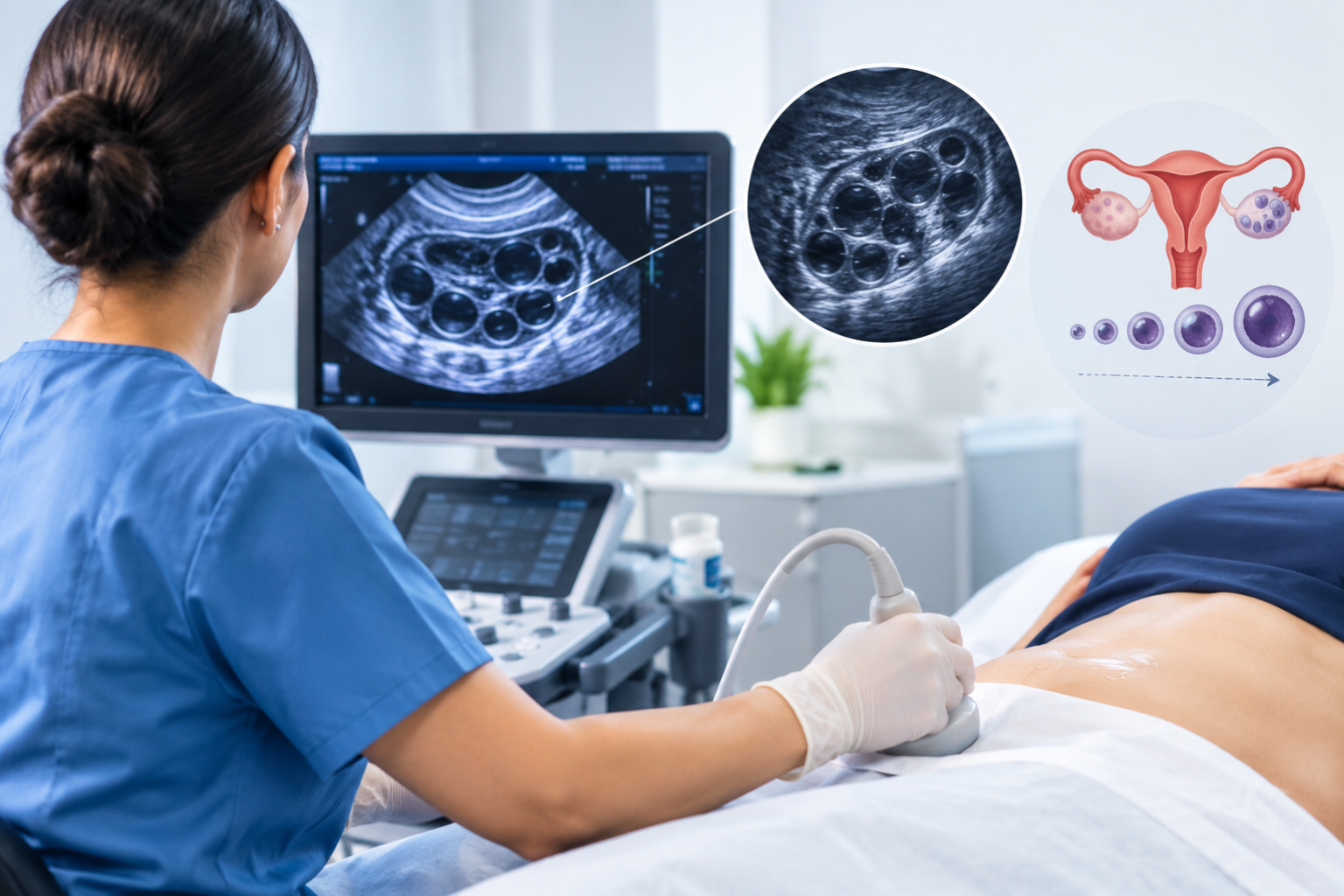
The Antral Follicle Count is performed via transvaginal ultrasound, typically on Day 2 or 3 of the menstrual cycle. The sonographer counts the number of small, resting follicles visible in both ovaries. These small follicles represent the pool from which eggs will be recruited for IVF stimulation.

A combined interpretation of AMH and AFC gives the most accurate picture of ovarian reserve. AMH tells us about the hormone signal; AFC tells us about the actual visible follicle pool.

3. Day 2 or 3 FSH

Follicle Stimulating Hormone (FSH) measured early in the menstrual cycle is an older but still useful marker. When ovarian reserve is low, the pituitary gland works harder — producing more FSH to stimulate the ovaries. An elevated FSH on Day 2 or 3 (typically above 10 to 12 IU/L) may suggest diminished reserve, and is interpreted alongside AMH and AFC for the full picture.


What Do AMH Levels Mean?

AMH Level Interpretation What It May Mean
Above 3.0 ng/mL High / Normal Good ovarian reserve. Likely a good responder to IVF stimulation.
1.0 to 3.0 ng/mL Normal range Adequate reserve for most women. Age context important.
0.5 to 1.0 ng/mL Low-normal Reduced reserve. May respond adequately to IVF with appropriate protocol.
Below 0.5 ng/mL Very low / DOR Significantly diminished reserve. IVF protocol must be optimised. Donor egg may be discussed.


Does Low Ovarian Reserve Mean You Cannot Get Pregnant?

No — and this is the most important message. Low ovarian reserve does not mean zero fertility. It means that your egg supply is more limited than average for your age, and that time and strategy become more important.

Many women with low AMH conceive naturally or through IVF — but they benefit from acting sooner rather than later, and from working with a fertility specialist who can tailor their treatment protocol appropriately. A blanket protocol designed for a 28-year-old with normal reserve will not give the same results for a 36-year-old with low reserve — and that is exactly where individualised care makes the difference.


What Affects Ovarian Reserve?

Beyond age — which is the strongest predictor — several other factors can accelerate the decline of ovarian reserve:

  •       Genetics: A family history of early menopause or premature ovarian insufficiency
  •       Previous ovarian surgery: Removal of ovarian cysts or endometriomas can reduce the surrounding follicular tissue
  •       Endometriosis: Particularly when it involves the ovaries, it can damage the follicle pool
  •       Autoimmune conditions: Some autoimmune diseases can target ovarian tissue
  •       Chemotherapy or radiation: Cancer treatment can significantly and sometimes permanently deplete ovarian reserve
  •       Smoking: Shown to accelerate follicle loss and bring forward the age of menopause


Ovarian Reserve and IVF in Hyderabad — What to Expect

In IVF, ovarian reserve directly determines how many eggs are likely to be retrieved in a stimulation cycle. Women with higher reserve produce more eggs, giving the laboratory more embryos to select from. Women with low reserve may produce fewer eggs, meaning each egg is precious — and the stimulation protocol must be optimised carefully.

Dr. Durga Vytla tailors every IVF protocol in Hyderabad to the individual patient's ovarian reserve profile. For low responders, a modified stimulation approach and careful timing strategies are used to maximise the number and quality of eggs retrieved.


Who Should Get an Ovarian Reserve Test?

  •       Any woman above 30 who is planning to start trying for a baby in the next 1 to 2 years
  •       Any woman who is considering egg freezing for fertility preservation
  •       Women with irregular periods, PCOS, or a history of ovarian surgery
  •       Women with a family history of early menopause
  •       Couples who have been trying to conceive for 6 to 12 months without success
  •       Women about to undergo chemotherapy or radiation who wish to preserve fertility


Book a Consultation

Find out your ovarian reserve today. Book an AMH and fertility evaluation with Dr. Durga Vytla in Gachibowli, Hyderabad. One blood test can change how you plan your fertility journey.

Frequently Asked Questions

IVF vs IUI — What Is the Difference and Which One Is Right for You?

Two of the most common fertility treatments are IUI and IVF — and they are often confused. Patients frequently come to Dr. Durga Vytla's clinic in Gachibowli, Hyderabad, having been advised one or the other without fully understanding the difference, why one was chosen over the other, or whether that recommendation was appropriate for their case.

This guide explains both treatments clearly, compares them directly, and helps you understand which one might be right for you.


What Is IUI — Intrauterine Insemination?

IUI is a procedure in which a laboratory-processed sperm sample is placed directly inside the uterus using a thin, flexible catheter — at the time of ovulation. The goal is to shorten the distance the sperm has to travel to reach the egg and increase the number of motile sperm in the right location at the right time.

IUI can be done in a natural cycle (without medications) or in a stimulated cycle (with oral medications or low-dose injections to stimulate one or two follicles). The procedure itself takes only a few minutes, is generally painless, and requires no anaesthesia. The woman can go home immediately afterward.


What Is IVF — In Vitro Fertilisation?

IVF is a more complex assisted reproduction procedure. The woman's ovaries are stimulated with injectable hormones to produce multiple eggs. These eggs are retrieved under sedation in a short procedure, fertilised with sperm in a laboratory, and the resulting embryos are cultured for 3 to 5 days. The best-quality embryo is then transferred into the uterus. Additional embryos can be frozen for future use.

IVF takes 4 to 6 weeks from the start of stimulation to the result of a pregnancy test. It involves daily injections, regular monitoring scans, an egg retrieval procedure, and careful laboratory work.


IVF vs IUI — A Direct Comparison

Feature IUI IVF
Fertilisation location Inside the body (in vivo) Outside the body, in a laboratory (in vitro)
Invasiveness Minimal — no anaesthesia Moderate — sedation for egg retrieval
Cost per cycle Rs. 7,000 to Rs. 16,000 (approx.) Rs. 1,10,000 to Rs. 1,90,000+ (approx.)
Duration 1 to 2 weeks per cycle 4 to 6 weeks per cycle
Success rate per cycle 10 to 20% 35 to 55% (under 35)
Number of embryos No control — natural conception Multiple embryos possible; extra can be frozen
Suitable for Mild male factor, unexplained infertility, PCOS Blocked tubes, severe male factor, low reserve, failed IUI


Who Is IUI Best Suited For?

IUI is a good first-line treatment for couples where:

  •       The woman has at least one open fallopian tube
  •       The cause of infertility is unexplained
  •       There is mild male factor infertility — low count or motility, but not severely so
  •       The woman has PCOS with good ovarian reserve who responds to ovulation induction
  •       The couple has been trying for under 3 years and the woman is under 35
  •       Single women or same-sex couples using donor sperm

IUI is not recommended if the woman has blocked fallopian tubes, very low ovarian reserve, or if there is severe male factor infertility. In these cases, the sperm and egg cannot meet even with insemination, and IVF is the more appropriate starting point.


Who Needs IVF Directly?

Dr. Durga Vytla advises proceeding directly to IVF — without attempting IUI — in the following situations:

  •       Both fallopian tubes are blocked or absent
  •       Severe male factor infertility requiring ICSI
  •       Low or diminished ovarian reserve — every egg counts and should not be left to chance
  •       Previous failed IUI cycles (typically 3 or more)
  •       Woman is above 38 — IUI takes time and multiple cycles; IVF is more efficient
  •       Endometriosis affecting the tubes or ovaries
  •       Recurrent pregnancy loss requiring preimplantation genetic testing


Should You Start with IUI or Go Straight to IVF?

This is the question most couples ask, and the honest answer is: it depends on your specific diagnosis, age, and how much time you have. IUI is cheaper and less invasive — but it has lower per-cycle success rates and requires more cycles to achieve equivalent cumulative pregnancy rates compared to IVF.

For a woman under 35 with unexplained infertility and a partner with near-normal semen analysis, 2 to 3 cycles of IUI is a reasonable starting point. For a woman above 35, or where there is a clear structural or severe male factor issue, IVF is the more time- and cost-efficient choice from the outset.

Dr. Durga Vytla's approach is to look at the complete picture — age, diagnosis, ovarian reserve, semen parameters, and how long the couple has been trying — and recommend the treatment that gives the best chance with the least delay.


Book a Consultation

Not sure whether you need IUI or IVF? Book a consultation with Dr. Durga Vytla in Gachibowli, Hyderabad. A complete evaluation of both partners is the only way to know which treatment gives you the best chance — and the least unnecessary delay.

Frequently Asked Questions

PCOS and Pregnancy: Can You Get Pregnant Naturally with PCOS?

Polycystic Ovary Syndrome — PCOS — is the most common hormonal condition affecting women of reproductive age in India, and it is the leading cause of ovulatory infertility. If you have been diagnosed with PCOS and are hoping to get pregnant, you are not alone — and importantly, you have real, effective options.

Dr. Durga Vytla, a fertility specialist based in Gachibowli, Hyderabad, works with PCOS patients every day. This guide covers everything you need to know — from how PCOS affects fertility, to what treatments work, to when IVF becomes the right step.


What Is PCOS and How Common Is It?

PCOS is a hormonal disorder in which the ovaries produce excess androgens (male hormones) and fail to release eggs regularly. Instead of a single dominant follicle maturing and releasing an egg each month, multiple small follicles develop but none fully matures — leading to irregular or absent ovulation.

In India, PCOS is estimated to affect between 10 and 20 percent of women of reproductive age. Among women presenting to fertility clinics in cities like Hyderabad, the proportion is even higher. It is also the condition most commonly associated with irregular periods, excess hair growth, acne, and weight gain around the abdomen.


Does PCOS Mean You Cannot Get Pregnant?

No — and this is the most important thing to understand. PCOS does not mean infertility. It means irregular ovulation, and irregular ovulation is treatable.

Many women with PCOS do get pregnant naturally — especially those with mild symptoms, healthy weight, and no other fertility factors. However, the unpredictability of ovulation makes it harder to time intercourse and reduces monthly conception chances. For women who are actively trying to conceive without success, medical support to restore regular ovulation significantly improves the outlook.


How Does PCOS Affect Your Chances of Getting Pregnant?

1. Irregular or Absent Ovulation

Without regular ovulation, there are fewer opportunities each year for an egg to be fertilised. A woman who ovulates 12 times a year has 12 chances at conception. A woman with PCOS may ovulate only 3 to 6 times a year — cutting the natural conception window significantly.

2. Hormonal Imbalance

Elevated LH (Luteinising Hormone) relative to FSH (Follicle Stimulating Hormone) is a hallmark of PCOS. This imbalance can affect egg quality and the uterine lining's readiness to receive an embryo — even when ovulation does occur.

3. Insulin Resistance

Up to 70 percent of women with PCOS have some degree of insulin resistance, which disrupts the hormonal signals that regulate ovulation. Insulin resistance also increases the risk of gestational diabetes during pregnancy — meaning monitoring during pregnancy is important even after conception.

4. Higher Miscarriage Risk

Some studies suggest that women with PCOS have a slightly elevated risk of early miscarriage, particularly when insulin resistance and elevated LH levels are uncontrolled. Managing these factors before and during early pregnancy is part of comprehensive PCOS fertility care.


PCOS Fertility Treatment Options in Hyderabad

Lifestyle Modification — The First Line

For women with PCOS who are overweight, even a 5 to 10 percent reduction in body weight can restore spontaneous ovulation and significantly improve fertility outcomes. Lifestyle changes — including a low glycaemic index diet, regular moderate exercise, and stress management — are not just supplementary advice. They are clinically proven first-line interventions that can result in natural pregnancy without any medication.

Ovulation Induction with Letrozole or Clomiphene

When lifestyle changes alone are insufficient, ovulation induction is the next step. Medications like Letrozole (preferred for PCOS) or Clomiphene Citrate are used to stimulate the ovaries to produce and release a single, mature egg. These are taken orally for 5 days at the start of the cycle and are monitored with ultrasound scans to confirm follicle development and ovulation.

Ovulation induction is often combined with timed intercourse (OI-TI) or Intrauterine Insemination (IUI). Success rates with ovulation induction range from 15 to 25 percent per cycle, depending on the woman's age and other factors.

IUI — Intrauterine Insemination

IUI is a simple procedure in which processed sperm is placed directly into the uterus around the time of ovulation, increasing the number of sperm that reach the egg. It is appropriate for PCOS patients who respond well to ovulation induction but have not conceived after several cycles of timed intercourse. Dr. Durga Vytla typically recommends 3 cycles of IUI before reassessing the treatment plan.

IVF for PCOS

IVF is recommended for PCOS patients when ovulation induction has failed, when there are additional fertility factors (such as tube problems or male factor), or when the patient is above 35 and time is a consideration. Women with PCOS actually tend to respond well to IVF stimulation — producing a good number of eggs — though they need careful monitoring to avoid Ovarian Hyperstimulation Syndrome (OHSS).

Dr. Durga Vytla uses a tailored stimulation protocol for PCOS patients undergoing IVF, using low and slow dosing strategies with frequent monitoring to maximise egg quality while minimising OHSS risk. A freeze-all strategy — freezing all embryos and doing a frozen embryo transfer in a subsequent cycle — is often recommended for PCOS patients to eliminate the OHSS risk entirely.


PCOS and IVF Success Rates in Hyderabad

Women with PCOS generally have IVF success rates comparable to or higher than the general infertile population for their age group, because ovarian reserve is typically well-maintained. The primary challenge is not egg number but egg quality and cycle management. With experienced fertility care in Hyderabad, good outcomes are very achievable — particularly for women under 35.


What Should You Do If You Have PCOS and Want to Get Pregnant?

  •       See a fertility specialist — not just a gynaecologist — for a targeted PCOS fertility evaluation
  •       Get a hormone panel done on Day 2 or 3 of your cycle: FSH, LH, AMH, Prolactin, Testosterone, Thyroid
  •       Get a pelvic ultrasound to assess ovarian morphology and antral follicle count
  •       Ask your partner to get a semen analysis done — male factor can coexist with PCOS
  •       Start lifestyle modifications immediately — these improve every fertility treatment outcome
  •       Do not delay beyond 6 to 12 months of trying without results — time matters

Book a Consultation

If you have PCOS and are trying to conceive in Hyderabad, book a consultation with Dr. Durga Vytla in Gachibowli. A personalised evaluation is the first step toward a clear, actionable plan.

Frequently Asked Questions

IVF Cost in Hyderabad 2026 — A Complete, Transparent Breakdown

If you are researching IVF in Hyderabad, the first question on your mind is almost certainly: how much will this cost? You have probably already seen wildly different numbers across different clinic websites and that confusion is frustrating when you are trying to make one of the most important decisions of your life.

This guide, written by Dr. Durga Vytla, a fertility specialist based in Gachibowli, Hyderabad, gives you a fully transparent, up-to-date breakdown of IVF costs for 2026 including what is typically included, what is not, and what questions you must ask before you commit to a clinic.

Why Does IVF Cost Vary So Much in Hyderabad?

The short answer: because IVF is not one procedure. It is a series of personalised medical steps that differ from patient to patient based on age, diagnosis, medication response, and whether additional procedures like ICSI or PGT are needed. A quote that does not account for your specific situation is not an accurate quote — it is a starting number.

In Hyderabad, IVF costs in 2026 vary depending on:

  •       The clinic's infrastructure and laboratory quality
  •       The doctor's experience and specialisation
  •       Whether medications are included in the package or billed separately
  •       The area of Hyderabad — clinics in Gachibowli and the Financial District may be priced differently than peripheral areas
  •       Add-on procedures like ICSI, PGT, embryo freezing, or ERA testing

IVF Base Cost in Hyderabad 2026 — What You Can Expect

A standard, single IVF cycle in Hyderabad in 2026 — including consultation, ovarian stimulation monitoring scans, egg retrieval under anaesthesia, embryo culture, and embryo transfer — typically ranges anywhere from Rs. 1,30,000 to Rs. 1,90,000, depending on the clinic and individual protocol.

This base figure usually covers:

  •       Initial fertility evaluation and pre-IVF tests
  •       Ovarian stimulation monitoring (blood tests + ultrasound scans)
  •       Egg retrieval procedure and anaesthesia
  •       Embryo culture for up to 5 days in the laboratory
  •       Embryo transfer
  •       Pregnancy blood test (beta-HCG) at 14 days

What is typically NOT included in the base package:

  •       Hormonal stimulation medications (which can cost roughly Rs. 40,000 to Rs. 80,000 extra depending on your ovarian response)
  •       ICSI — if sperm quality requires it (roughly Rs. 10,000 to Rs. 20,000 additional)
  •       Embryo freezing and storage (approximately Rs. 10,000 to Rs. 30,000 per year)
  •       Preimplantation Genetic Testing — PGT-A or PGT-M (roughly Rs. 28,000 to Rs. 65,000, depending on the number of embryos tested)
  •       ERA test for repeated implantation failure (approximately Rs. 40,000 to Rs. 60,000)

IUI Cost in Hyderabad 2026

Intrauterine insemination (IUI) is a simpler, less invasive treatment that may be recommended before IVF in certain cases. A single IUI cycle in Hyderabad in 2026 typically costs somewhere in the range of Rs. 7,000 to Rs. 15,000, excluding medications. It is considerably more affordable, though success rates per cycle are lower. Dr. Durga Vytla recommends IUI for specific indications and typically advises up to 3 cycles before reassessing the treatment plan.

ICSI Cost in Hyderabad 2026

Intracytoplasmic Sperm Injection (ICSI) is a specialised form of IVF where a single sperm is injected directly into each egg. It is recommended when semen analysis shows low sperm count, poor motility, or abnormal morphology. ICSI typically adds somewhere between Rs. 10,000 and Rs. 20,000 to the cost of an IVF cycle in Hyderabad. It is not an upgrade — it is a medically indicated procedure for specific male factor cases.

Frozen Embryo Transfer (FET) Cost in Hyderabad 2026

If you have frozen embryos from a previous IVF cycle and are planning a Frozen Embryo Transfer (FET), the cost is significantly lower than a fresh cycle. A medicated FET in Hyderabad in 2026 typically falls somewhere between Rs. 40,000 and Rs. 55,000, excluding medications. This is because there is no fresh egg retrieval involved — only uterine preparation and embryo thaw and transfer.

Egg Freezing Cost in Hyderabad 2026

Women who wish to preserve their fertility — for career, health, or personal reasons — can opt for egg freezing (oocyte cryopreservation). This involves one IVF cycle up to the egg retrieval stage. The cost in Hyderabad in 2026 generally falls somewhere between Rs. 75,000 and Rs. 1,30,000 for the cycle, plus roughly Rs. 10,000 to Rs. 30,000 per year for storage.

Donor Egg IVF Cost in Hyderabad 2026

For women with very low ovarian reserve, premature ovarian insufficiency, or poor response to stimulation, donor egg IVF may be recommended. In Hyderabad, a donor egg IVF cycle in 2026 typically falls somewhere in the range of Rs. 2,70,000 to Rs. 3,90,000, covering the recipient's cycle, donor compensation, and medical screening. This is more expensive than self-cycle IVF but success rates are significantly higher for appropriate candidates.

How Many IVF Cycles Will You Need?

This is the question clinics often avoid answering directly — but it matters enormously for your total budget planning. The truth is that not every couple achieves pregnancy in the first IVF cycle. The number of cycles required depends on:

  •       The woman's age and ovarian reserve
  •       The quality of embryos produced
  •       The underlying cause of infertility
  •       Whether genetic testing is used to select the best embryo

Statistically, a significant proportion of couples need 1 to 2 cycles before achieving a live birth. Budget for at least two cycles when planning, and ask your fertility specialist for a personalised prognosis at your consultation.

Does Insurance Cover IVF in Hyderabad?

As of 2026, most standard health insurance policies in India do not cover IVF treatment. However, several group health policies offered by employers have begun including fertility benefits, and some individual plans now offer riders for fertility treatment. It is strongly recommended to check your existing policy and ask your insurer directly. Some clinics, including practices in Gachibowli, offer structured EMI payment plans to make treatment more accessible.

What to Ask Before You Pay for IVF in Hyderabad

Dr. Durga Vytla advises every patient to ask these specific questions before agreeing to any IVF package:

  •       Is the cost per cycle or per embryo transfer? (These are different)
  •       Are stimulation medications included or billed separately?
  •       What happens if my cycle is cancelled due to poor ovarian response — do I pay the full amount?
  •       What is the cost of embryo freezing and how long is storage included?
  •       Is there a multi-cycle package that reduces per-cycle cost?
  •       What are your success rates for my age group specifically?

Why Choose Dr. Durga Vytla for IVF in Hyderabad?

Dr. Durga Vytla is a specialist in fertility and reproductive medicine based in Gachibowli, Hyderabad. With a practice focused entirely on IVF, IUI, ICSI, egg freezing, and the management of complex fertility conditions, Dr. Vytla is known for her patient-first approach — clear communication, transparent pricing, and personalised treatment plans that do not follow a one-size-fits-all model.

Patients from across Hyderabad — including Nallagandla ,Tellapur , Manikonda , Kokapet , Kondapur, Madhapur, Film Nagar and  Lingampally — consult Dr. Durga Vytla for a fertility evaluation before making any treatment decisions. The first step is always a thorough assessment of both partners, not a prescription.

Book a Consultation

If you are considering IVF and want to understand the exact costs that apply to your situation, book a consultation with Dr. Durga Vytla in Gachibowli, Hyderabad. Every couple's case is different — the right cost estimate starts with the right evaluation.

Frequently Asked Questions

pregnancy loss

Are Your Workouts Affecting Your Ovulation? The Hidden Fertility Impact of Over-Exercising.

In the journey to lose weight and stay fit, many women unknowingly cross a line — from healthy exercise to over-exercising. While regular workouts support hormone balance and overall wellbeing, excessive or intense training can silently disturb fertility.

If your periods are getting delayed, cycles are becoming irregular, or ovulation seems unpredictable, your fitness routine might be playing a role.

How Over-Exercising Affects Fertility

When the body is pushed beyond its recovery capacity, it perceives stress. This stress increases cortisol, the primary stress hormone.

High cortisol levels can:

  • Disrupt brain signals that regulate ovulation
  • Suppress the release of GnRH (Gonadotropin-Releasing Hormone)
  • Reduce LH and FSH hormone balance
  • Delay ovulation
  • Cause late or missed periods
  • Lead to anovulatory cycles (cycles without egg release)

This is especially common in women who combine:

  • Intense cardio daily
  • High-intensity interval training (HIIT) without rest
  • Very low-calorie diets
  • Inadequate sleep

The result? The body shifts into “survival mode,” prioritising energy conservation over reproduction.

Common Women Fitness Mistakes That Affect Ovulation

Many women trying to conceive believe “more exercise = better health.” But fertility requires balance, not extremes.

Common mistakes include:

  • Exercising more than 90 minutes daily
  • Skipping rest days
  • Training intensely during the luteal phase
  • Severe calorie restriction
  • Ignoring signs of fatigue or cycle changes

If your menstrual cycle becomes irregular after changing your workout routine, that’s a signal your body is under stress.

The Science of Ovulation and Workouts

Moderate exercise improves insulin sensitivity, reduces PCOS symptoms, and supports hormone health. But excessive exercise can create female hormone imbalance.

The goal is not to stop exercising — it’s to adopt fertility-friendly exercise.

Simple Workout Changes That Support Healthy Ovulation

✔️ Limit high-intensity workouts to 3–4 times per week
✔️ Include strength training instead of only cardio
✔️ Add low-impact workouts like walking, yoga, or Pilates
✔️ Take at least 1–2 full rest days weekly
✔️ Avoid severe calorie restriction
✔️ Prioritise sleep and recovery

Listening to your cycle is key. If workouts are causing cycle irregularity, your body is asking for adjustment.

Balance Is Fertility’s Best Friend

it’s about hormonal harmony. As an IVF Expert and considered one of the Best IVF Doctors in Hyderabad, she emphasises personalised lifestyle guidance along with medical care.

If you’re trying to conceive and noticing delayed ovulation or irregular periods after intense fitness routines, it may be time to reassess your approach.

Healthy ovulation thrives on balance — not burnout.

Dr Durga Vytla
Fertility Specialist Hyderabad | IVF Expert | Best IVF Doctor

#DrDurgaVytla #IVFHyderabad #FertilitySpecialist #NovaIVF #IVFSuccess
#WomenFitness #OvulationFacts #Cortisol #HormoneBalance #CycleAwareness #FertilityJourney #HyderabadDoctors

The Unseen Fertility Blocker in Indian Couples: Family Pressure and Emotional Stress.

In India, fertility struggles are often discussed in whispers — but one powerful factor remains largely unspoken: family pressure. For many couples, especially women, the emotional burden from relatives and in-laws becomes an invisible stressor that directly impacts reproductive health.

While advice may come with good intentions, constant questioning — “Any good news?” or “It’s been a year already…” — creates emotional strain. Over time, this stress is not just psychological. It becomes biological.

How Stress Affects Fertility

When a woman experiences prolonged emotional stress, her body releases higher levels of cortisol, the stress hormone. Elevated cortisol can interfere with the delicate hormonal balance required for ovulation.

Here’s what happens inside the body:

  • Increased cortisol disrupts communication between the brain and ovaries.
  • The hypothalamus slows down signals that regulate ovulation.
  • This can lead to ovulation delay due to stress.
  • Some women develop anovulatory cycles (cycles where no egg is released).
  • Periods may become irregular or delayed.
  • Hormonal imbalance may worsen conditions like PCOS.

This creates a toxic loop: stress delays ovulation, delayed cycles increase anxiety, and increased anxiety further elevates stress hormones.

Indian In-Laws Pressure and Emotional Fertility Issues

In many Indian households, fertility is not just a personal matter — it is a family expectation. Women often carry the emotional weight of timelines, comparisons with relatives, and unsolicited remedies.

This family pressure infertility cycle can lead to:

  • Sleep disturbances
  • Reduced libido
  • Relationship strain
  • Depression or anxiety
  • Hormonal irregularities

Fertility is not just about egg quality or sperm count. It is also about mental and emotional wellbeing. Chronic stress may not be the only cause of infertility, but it can significantly worsen existing issues.

Science, Not Stress, Is the Solution

Blame and pressure do not improve fertility outcomes. Scientific evaluation does.

If a couple is trying to conceive (TTC) for 12 months (or 6 months if above 35), a proper fertility assessment is the right step — not emotional pressure.

At Nova IVF Banjara Hills, Dr Durga Vytla, Fertility Specialist in Hyderabad, focuses on evidence-based infertility care. As an IVF Expert and regarded as one of the Best IVF Doctors in Hyderabad, she emphasises a calm, supportive approach along with advanced reproductive science.

A structured fertility plan may include:

  • Hormone testing
  • Ovulation tracking
  • Ultrasound follicular monitoring
  • Thyroid and insulin evaluation
  • Lifestyle modifications
  • Stress management guidance

Addressing female hormone imbalance requires medical insight — not emotional blame.

Breaking the Silence

If you are silently struggling under family expectations, remember:

  • You are not alone.
  • Stress is real — and it affects fertility.
  • Seeking medical guidance is strength, not weakness.
  • Emotional support is part of treatment.

Couples need compassion, not comparison. Science, not stigma, leads to IVF success.

Save this message. Share it with someone who needs reassurance. And remember — fertility clarity reduces fear.

Dr Durga Vytla
Fertility Specialist Hyderabad IVF Expert | Best IVF Doctor

#DrDurgaVytla #IVFHyderabad #FertilitySpecialist #NovaIVF #IVFSuccess
#FertilityAwareness #IndianFamilies #StressAndFertility #OvulationProblems #WomenHealth #TTCJourney #HyderabadDoctors


Every Woman’s IVF Protocol Is Unique: Why Comparing Treatments Only Creates Confusion.

When it comes to fertility treatment, one of the most important things to understand is that every woman’s IVF protocol is customised. Just like your hormones, egg reserve, and body response are unique, your IVF treatment plan is designed specifically for you. Yet, many women fall into the trap of comparing their cycle with a friend, relative, or someone from an online group — leading to unnecessary stress and IVF confusion.

Let’s clear this up: IVF protocol difference is normal, expected, and medically necessary.

Why Is IVF Treatment Different for Every Woman?

IVF is not a “one-size-fits-all” procedure. A fertility specialist carefully studies multiple biological factors before designing your personalised IVF treatment. These include:

  • Age

  • AMH levels (Anti-Müllerian Hormone)

  • FSH and other hormone levels

  • Antral follicle count (egg reserve)

  • Body Mass Index (BMI)

  • Previous IVF attempts

  • Medical history (PCOS, endometriosis, thyroid issues, etc.)

  • How your body responds to stimulation medications

Two women of the same age may have completely different hormone levels and egg quality. One may require higher doses of injections to stimulate the ovaries, while another may respond well to a mild stimulation protocol. Some may need additional hormonal support, while others may not.

This is why comparing your IVF cycle with your friend’s will only create confusion and unnecessary anxiety.

The Science Behind Personalised IVF Treatment

In modern infertility treatment in Hyderabad and worldwide, fertility care is highly individualised. Doctors use detailed diagnostic tests to understand your ovarian reserve and predict how your body might respond to stimulation medications.

For example:

  • A woman with low AMH and low egg reserve may need a specific high-dose stimulation protocol.

  • A woman with PCOS may require a carefully monitored, lower-dose protocol to prevent ovarian hyperstimulation syndrome (OHSS).

  • Someone with recurrent implantation failure may need additional endometrial support or embryo testing.

  • A younger woman with good egg reserve might undergo a short antagonist protocol.

Each IVF protocol difference is rooted in medical science — not preference or guesswork.

Why Comparing IVF Journeys Is Harmful

In today’s digital age, WhatsApp groups and social media forums are filled with IVF experiences. While support groups can be helpful emotionally, they often create unrealistic expectations.

You might hear:

  • “I took fewer injections than you.”

  • “My cycle finished in 10 days.”

  • “I got more eggs.”

  • “I didn’t need that test.”

But what works for one woman may not work for another. Your doctor designs your protocol based on your biology — not someone else’s advice from WhatsApp groups.

Comparison often leads to:

  • Increased stress

  • Doubt in your doctor

  • Fear about medication doses

  • Emotional burnout

  • Loss of confidence

Stress itself can negatively impact overall health and emotional wellbeing during IVF. Staying calm and trusting the process is crucial.

The Role of an Experienced Fertility Specialist

A skilled IVF Expert carefully monitors your response during stimulation. Even during the cycle, adjustments may be made based on how your ovaries respond. That’s the advantage of personalised fertility care.

Dr Durga Vytla, Fertility Specialist in Hyderabad, strongly believes in customised treatment protocols. As one of the Best IVF Doctors in Hyderabad, she emphasises patient education, transparency, and evidence-based practice. Every patient is evaluated individually, and the treatment is designed to maximise success while ensuring safety.

The goal is not to copy someone else’s cycle. The goal is to create the best possible outcome for you.

Understanding Egg Quality and Hormone Health

Two major factors in IVF success are egg quality and hormone health. These vary significantly from woman to woman.

  • Egg quality declines naturally with age.

  • Hormonal imbalances can affect ovulation and implantation.

  • Conditions like thyroid disorders or insulin resistance can influence outcomes.

This is why infertility care focuses on correcting underlying issues before or during IVF treatment. Your protocol may include supplements, hormonal corrections, lifestyle modifications, or additional monitoring — all tailored to your body’s needs.

Stay Informed, Stay Calm

Education empowers you. Ask questions. Understand why a particular medication is prescribed. Know what your hormone levels mean. But avoid unhealthy comparison.

Remember:

  • Your IVF journey is personal.

  • Your treatment plan is scientifically designed.

  • Your body’s response is unique.

  • Your doctor’s decisions are based on medical data — not trends.

Trusting your personalised IVF treatment reduces IVF confusion and improves emotional resilience during the journey.

Final Thoughts

If you are undergoing infertility treatment in Hyderabad or anywhere else, remind yourself that IVF protocol difference is not a problem — it is a sign of personalised, high-quality medical care.

Your hormones are unique.
Your egg reserve is unique.
Your response is unique.

Your IVF plan should be too.

Stay informed. Stay calm. Trust your fertility specialist and your personalised treatment plan.

Dr Durga Vytla
Fertility Specialist Hyderabad
IVF Expert | Best IVF Doctor | Personalised Infertility Care

#DrDurgaVytla #IVFHyderabad #FertilitySpecialist #NovaIVF #IVFSuccess
#IVFJourney #IVFSupport #FertilityAwareness #IVFTips #WomenHealth #HyderabadDoctors
#InfertilityCare #EggQuality #HormoneHealth

IUI

PCOD and Pregnancy: Breaking the Myth That Conception Is Impossible

Many women believe that PCOD means they can never get pregnant. This is one of the most common and harmful fertility myths. The truth is — PCOD does not mean no pregnancy. With the right diagnosis, treatment, and guidance, women with PCOD can absolutely conceive and enjoy a healthy pregnancy.

According to Dr. Durga Vytla, Fertility Specialist in Hyderabad, PCOD is a manageable condition, and most women can conceive with simple and timely interventions.

How PCOD Affects Fertility

PCOD affects ovulation rather than egg quality. Women with PCOD have multiple small follicles in their ovaries, which leads to delayed or irregular ovulation. Because ovulation does not occur regularly, predicting fertile days becomes difficult, which can delay conception.

However, this does not mean infertility. It simply means ovulation needs to be supported and regulated.

PCOD Myths vs Facts

One of the biggest PCOD myths is that pregnancy is impossible without IVF. In reality, many women with PCOD conceive naturally with minimal treatment.

Fact:
With ovulation induction and timed intercourse, the chances of pregnancy increase significantly. Dr. Durga Vytla, an experienced IVF Expert and Best IVF Doctor, emphasizes that IVF is not always the first step for PCOD patients.

PCOD Pregnancy Treatment Options

Treatment for PCOD pregnancy is tailored to each woman’s needs. Common approaches include:

  • Ovulation induction medications
  • Cycle monitoring through ultrasound
  • Lifestyle changes like weight management and exercise
  • Timed intercourse during the fertile window

These methods help restore ovulation and support natural conception in PCOD patients.

PCOS Fertility and Female Infertility

PCOD (often used interchangeably with PCOS) is one of the most common causes of female infertility, but it is also one of the most treatable. Early diagnosis and proper fertility planning can significantly improve outcomes.

Dr. Durga Vytla highlights that many women with PCOD conceive within a few months once ovulation becomes regular.

When to Consult a Fertility Specialist

If you have irregular periods, difficulty tracking ovulation, or have been trying to conceive for over a year (or six months if over 35), it’s time to consult a fertility specialist. Early intervention can prevent unnecessary delays and emotional stress.

Don’t Lose Hope — Pregnancy Is Possible

A PCOD diagnosis is not the end of your dream of motherhood. With the right medical support, lifestyle guidance, and expert care, PCOD patients can absolutely achieve pregnancy.

Trust the science, seek the right help, and stay hopeful — your journey is possible.

Ovulation Day and Fertile Window: The Key to Getting Pregnant Faster

Trying to conceive can feel overwhelming, but understanding your ovulation day can make a significant difference in your fertility journey. Timing intercourse correctly around ovulation greatly improves your chances of conception. According to Dr. Durga Vytla, Fertility Specialist in Hyderabad, even a small change in timing can have a big impact on success.

What Is Ovulation and Why Is It Important?

Ovulation is the process where an ovary releases a mature egg, making it available for fertilization. This is the most fertile time in a woman’s cycle. If sperm meets the egg during this window, pregnancy can occur. Knowing how to get pregnant fast often starts with identifying this crucial day.

For women with a regular menstrual cycle:

  • A 28-day cycle usually ovulates around Day 14

  • A 30-day cycle typically ovulates around Day 16

However, these are averages. Individual cycles can vary due to stress, hormonal changes, lifestyle, or medical conditions.

Ovulation and Irregular Cycles

Women with irregular cycles may find ovulation more unpredictable. Ovulation may be delayed or may not occur every month, making ovulation tracking essential. Dr. Durga Vytla, an experienced IVF Expert and Best IVF Doctor, advises women with irregular periods to track ovulation using:

  • Ovulation predictor kits

  • Basal body temperature monitoring

  • Cycle-tracking apps

  • Ultrasound monitoring when required

Accurate tracking helps improve female fertility and reduces the stress of guessing fertile days.

Understanding the Fertile Window

The fertile window is the most important concept when trying to conceive. It includes:

  • 3–4 days before ovulation

  • The day of ovulation

  • 1 day after ovulation

Sperm can survive inside the female reproductive tract for up to 5 days, while the egg survives for about 24 hours. This means intercourse before ovulation is just as important as on the ovulation day itself. Planning intimacy during this window significantly increases the chances of pregnancy.

Why Timing Matters in Fertility

Many couples miss their fertile window simply because they are unaware of their ovulation timing. Dr. Durga Vytla explains that correct timing can:

  • Increase natural conception chances

  • Reduce time to pregnancy

  • Avoid unnecessary fertility treatments in some cases

For couples who are not conceiving despite correct timing, a fertility evaluation can help identify underlying issues and guide treatment options.

Expert Guidance for Pregnancy Planning

At Nova IVF Banjara Hills, Dr. Durga Vytla offers personalized fertility guidance, ovulation monitoring, and advanced reproductive care for couples at every stage of their journey. Whether you’re planning a natural pregnancy or exploring IVF, understanding your cycle is the first step.

Small Change, Big Impact

Knowing your ovulation day and fertile window empowers you to take control of your fertility. With proper tracking and expert support, your dream of parenthood can become a reality.