
Chocolate Cysts and Fertility: What Endometriomas Mean for Your Egg Reserve
A "chocolate cyst" is a strange, oddly casual name for something that can carry a lot of worry once you're told you have one — especially if fertility is on your mind. The name comes from its appearance, not its severity, so let's set that aside and talk about what it actually is and what it means for your reproductive plans.
What a Chocolate Cyst Actually Is
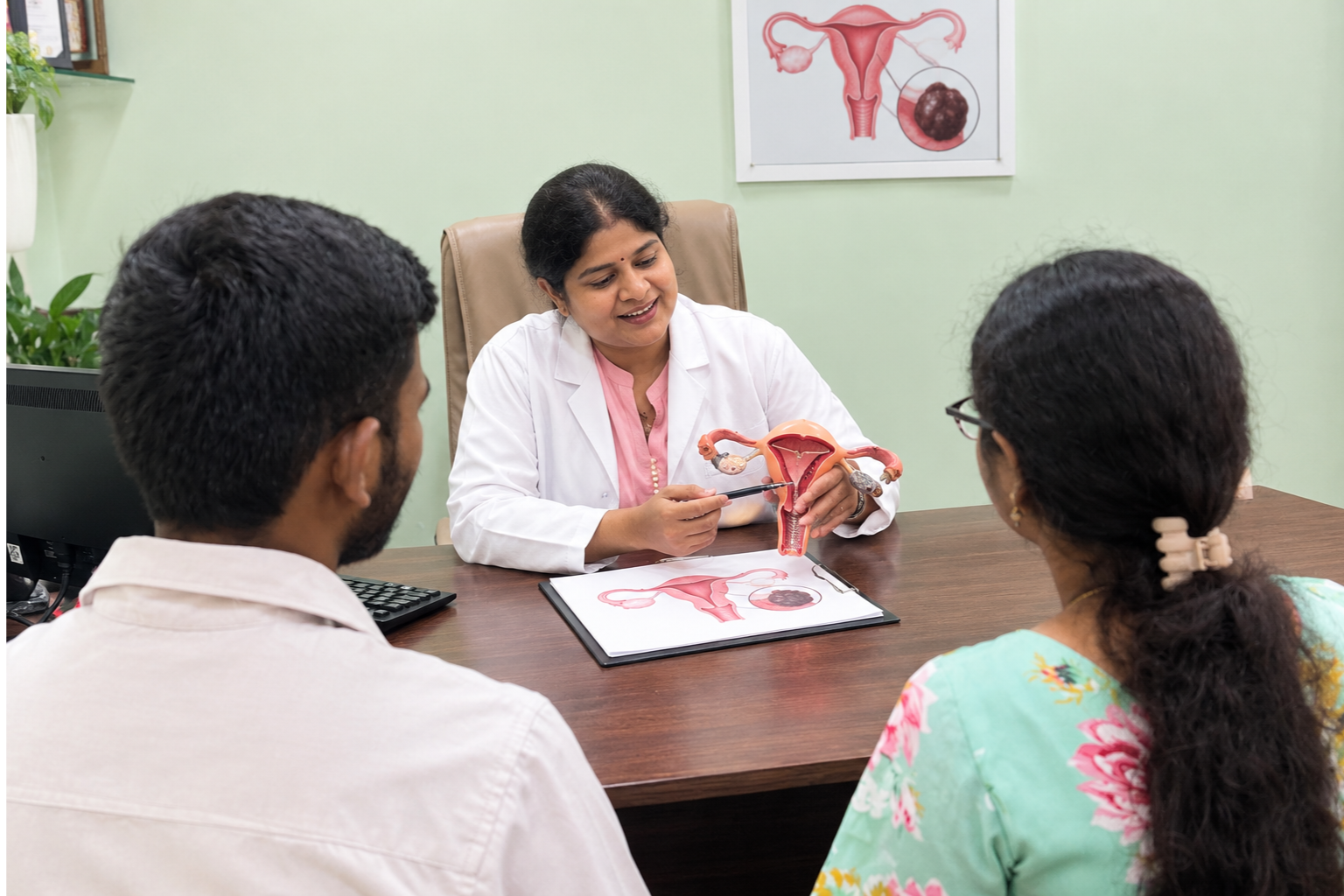
A chocolate cyst, medically called an endometrioma, forms when endometriosis tissue — tissue similar to the uterine lining — grows on or within an ovary and accumulates old, degraded blood over repeated menstrual cycles, giving it a thick, dark brown appearance on imaging and, if drained, in appearance. It's a specific manifestation of endometriosis rather than a separate condition.
Common Symptoms, Though Not Everyone Has Them
Some chocolate cysts are found incidentally during a routine ultrasound, with no symptoms at all. When symptoms do occur, they typically include pelvic pain, particularly around menstruation, pain during intercourse, and in some cases irregular bleeding. The size and symptom severity don't always correlate — a small cyst can be quite painful, while a larger one is sometimes found by chance during unrelated imaging.
Why This Specifically Affects Fertility
This is the part that matters most if you're trying to conceive, and it works through a few distinct mechanisms:
Direct damage to ovarian tissue. A chocolate cyst sits within the ovary, and its presence — along with the inflammation it causes — can damage the surrounding healthy ovarian tissue that contains developing eggs, reducing the ovary's functional reserve over time.
Surgical removal carries its own trade-off. Removing a chocolate cyst surgically can relieve pain and remove diseased tissue, but the surgery itself, by necessity, also removes some healthy ovarian tissue along with it — meaning surgery can further reduce ovarian reserve, particularly with larger cysts, bilateral cysts, or repeat surgeries. This is a genuine trade-off, not a straightforward "just remove it" decision.
Inflammatory effects beyond the cyst itself. Endometriosis more broadly, including chocolate cysts, is associated with an inflammatory pelvic environment that can affect egg quality and even embryo implantation, independent of the physical presence of the cyst.
How This Changes the Fertility Conversation
Because of the surgery trade-off above, the decision to operate on a chocolate cyst when fertility is a priority isn't automatic. Considerations include:
- The cyst's size — smaller cysts are sometimes monitored rather than immediately operated on, particularly if not causing significant symptoms
- Whether the cyst is affecting egg retrieval planning — a large cyst can sometimes make egg collection during IVF technically more difficult, which occasionally tips the decision toward removal first
- Current ovarian reserve, checked via AMH and antral follicle count — a reserve that's already reduced makes the surgical trade-off a more careful calculation
- Whether pain is significant enough to need treatment regardless of the fertility trade-off
When Surgery Is Recommended, and When It's Not
For chocolate cysts causing significant pain, growing over time, or making egg retrieval planning difficult, surgical removal is often still the right call, performed with techniques aimed at preserving as much healthy ovarian tissue as possible. For smaller, asymptomatic cysts, particularly in someone with reduced ovarian reserve who's actively planning IVF, sometimes the better path is proceeding directly to fertility treatment without surgery first, preserving the reserve that remains rather than risking further reduction from an operation.
What Fertility Treatment Looks Like With a Chocolate Cyst
For patients proceeding to IVF with a chocolate cyst still present, retrieval is planned carefully around the cyst's location, and in some cases the stimulation protocol is adjusted knowing that ovarian response may be somewhat reduced on the affected side. This isn't a reason IVF won't work — it's a reason the plan is built specifically around the individual anatomy and reserve rather than a standard approach.
Making the Right Call for Your Situation
There isn't a single right answer for every chocolate cyst — the decision genuinely depends on size, symptoms, current reserve, and how close you are to actively trying to conceive. What matters is that the decision gets made with a full picture in front of you, including an honest look at your AMH and antral follicle count, rather than a reflexive "remove it" or "leave it" without weighing the fertility trade-off specifically.
Frequently Asked Questions
No. Small, asymptomatic chocolate cysts are sometimes monitored rather than operated on, particularly when fertility preservation is a priority and the cyst isn't interfering with treatment planning.
Yes, natural conception is possible with a chocolate cyst present, though endometriosis-related inflammation and any reduction in ovarian reserve can affect the odds. Many women with chocolate cysts do conceive naturally, particularly with mild disease.
It can, by removing diseased tissue and reducing inflammation and pain, but it can also reduce ovarian reserve due to the nature of the surgery. Whether it improves your specific fertility picture depends on your individual case.
Yes, recurrence is possible since endometriosis is a chronic condition, not something surgery permanently cures. This is factored into decisions about timing fertility treatment relative to surgery.
